Your cart is currently empty!
Merzouga & the Sahara Desert, Morocco: The Ultimate Travel Guide to Morocco’s Golden Dunes
There are few places on Earth capable of making visitors feel as though they have stepped onto another planet. The Sahara Desert is one of them. Stretching across eleven countries in North Africa, it is the world’s largest hot desert, covering more than nine million square kilometres. While vast portions remain remote and inaccessible, the small Moroccan village of Merzouga has become one of the most celebrated gateways into this extraordinary landscape. Situated on the edge of the spectacular Erg Chebbi dunes, Merzouga offers travellers an unforgettable opportunity to experience towering sand dunes, traditional Berber hospitality, camel trekking, luxury desert camps and some of the clearest night skies anywhere in the world.
Unlike many destinations that rely solely on famous landmarks, Merzouga is defined by its atmosphere. Every sunrise transforms the dunes into rolling waves of gold, orange and deep amber. Every sunset paints the desert with soft pinks, fiery reds and warm copper tones before darkness reveals an astonishing blanket of stars. Time appears to slow down, allowing visitors to disconnect from busy schedules and reconnect with nature in one of Earth’s most timeless environments.
Whether you’re planning a luxury Moroccan holiday, a photography adventure, a cultural journey through Berber communities or an unforgettable honeymoon, Merzouga deserves a place on your itinerary. This guide covers everything you need to know before visiting, including the best time to travel, how to reach the desert, where to stay, what to eat and the experiences that make this corner of Morocco so unforgettable.
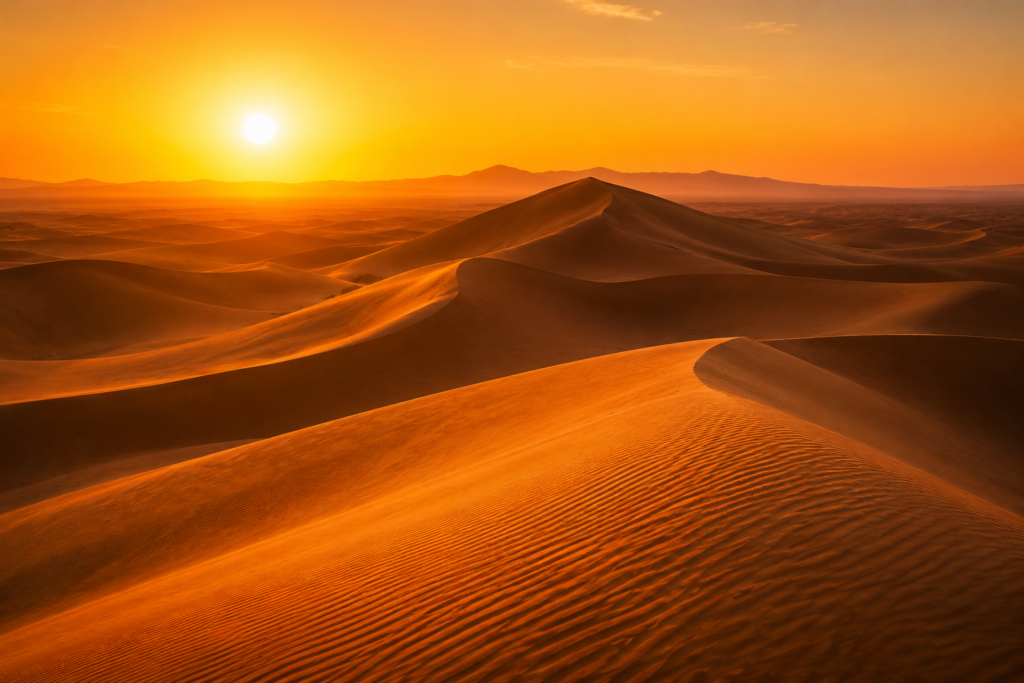
Located in southeastern Morocco near the Algerian border, Merzouga is a small village that serves as the main access point to Erg Chebbi, one of Morocco’s two major dune systems. Unlike the flatter stretches of desert found elsewhere in the country, Erg Chebbi features dramatic dunes rising up to 150 metres high and stretching for nearly 30 kilometres. Their constantly shifting shapes, sculpted by desert winds, create an ever-changing landscape that photographers and adventurers travel thousands of kilometres to witness.
For centuries, this region has been part of important caravan routes linking North Africa with sub-Saharan Africa. Traders transported salt, spices, gold and textiles across these challenging landscapes using camel caravans that sometimes travelled for months. Today, many local families trace their ancestry back to these ancient trade routes, preserving traditions that continue to shape life in the desert.
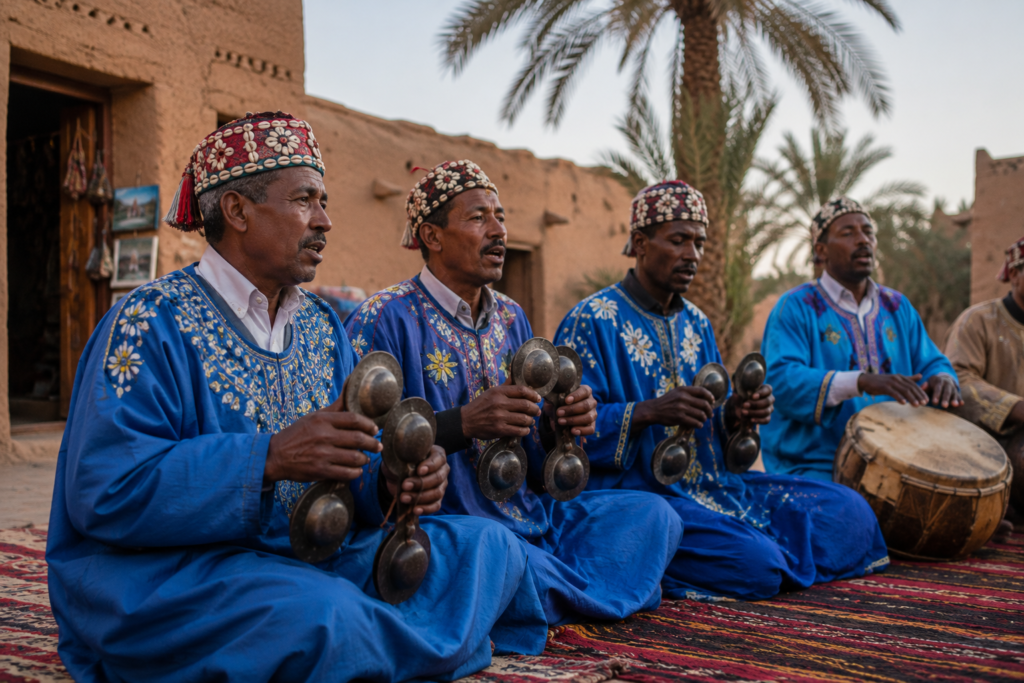
Despite increasing tourism, Merzouga has retained much of its authentic charm. Small guesthouses, family-run riads and locally operated desert camps dominate the accommodation scene rather than large international hotel chains. Visitors often find that their most memorable experiences come not from luxury alone but from sharing mint tea with local hosts, listening to traditional Gnawa music beneath the stars or watching the desert awaken in complete silence.
Reaching Merzouga requires planning, but the journey itself becomes part of the adventure. Most international visitors arrive in either Marrakech or Fes before travelling south through the Atlas Mountains. The route from Marrakech typically takes between nine and ten hours by car, passing dramatic mountain passes, ancient kasbahs and palm-filled valleys before eventually reaching the Sahara. Many travellers choose to split the drive over several days, allowing time to explore destinations such as Aït Benhaddou, Ouarzazate and the Dades Valley.
Travellers departing from Fes usually enjoy a slightly shorter journey of around seven to eight hours. This route passes cedar forests inhabited by Barbary macaques, alpine-style towns such as Ifrane and spectacular rocky landscapes before descending into the desert region. The changing scenery makes the drive one of Morocco’s most rewarding road trips.
For those who prefer not to drive, numerous guided tours operate from both Marrakech and Fes. These tours often include accommodation, meals, transportation and overnight stays in the desert, making them an excellent choice for first-time visitors. Private transfers are also widely available and provide greater flexibility for photographers and travellers wishing to stop at scenic viewpoints.
Although Merzouga can be visited year-round, each season offers a different experience. Autumn and spring are generally regarded as the best times to visit. Between September and November, daytime temperatures remain pleasantly warm while evenings become comfortably cool. The golden light during these months is particularly attractive for photography, and outdoor activities can be enjoyed without the intense summer heat.
Spring, from March through May, also offers excellent conditions. Clear skies, mild temperatures and comfortable evenings make camel trekking and desert camping particularly enjoyable. Occasionally, small desert flowers appear following winter rainfall, adding unexpected colour to the surrounding landscape.
Summer presents a very different experience. Between June and August, daytime temperatures frequently exceed forty degrees Celsius. While many travellers avoid the hottest months, early morning and evening remain surprisingly comfortable, and accommodation prices often become more affordable. Visitors choosing to travel during summer should remain hydrated and avoid strenuous outdoor activities during midday.
Winter transforms the Sahara in unexpected ways. While afternoons remain sunny and pleasant, nighttime temperatures can fall close to freezing. Travellers staying overnight in desert camps should pack warm clothing, including insulated jackets, hats and gloves. Watching sunrise across cool desert dunes while wrapped in blankets creates a magical atmosphere unlike any other season.
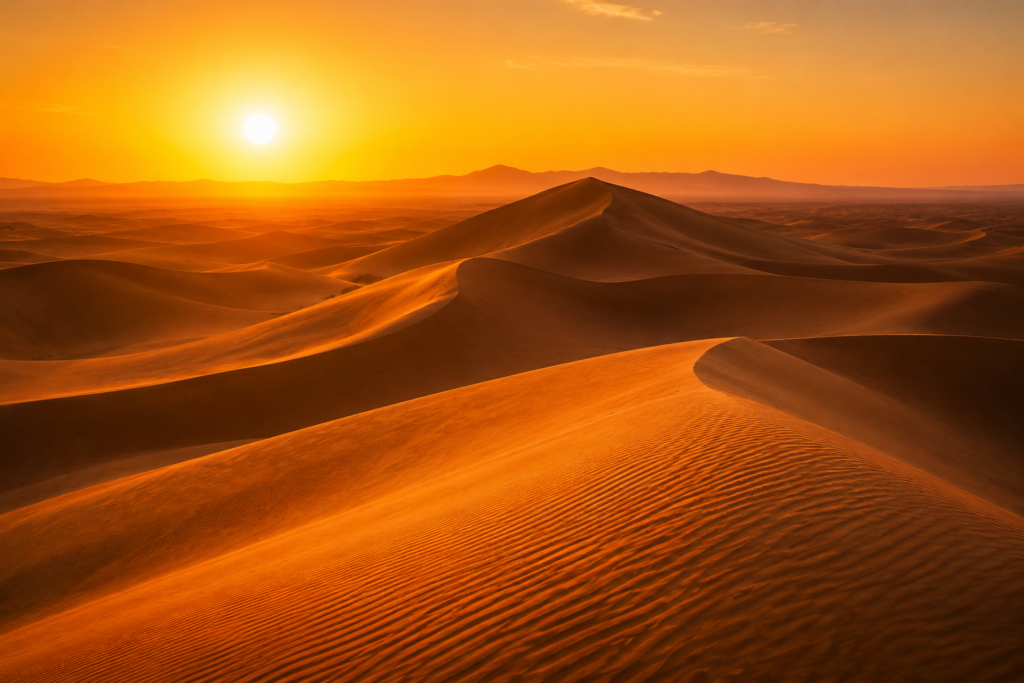
One of Merzouga’s greatest attractions is simply watching the changing colours of Erg Chebbi throughout the day. Sunrise begins with soft blue shadows stretching across the dunes before golden sunlight gradually illuminates the landscape. During midday, the sand reflects bright orange tones beneath crystal-clear skies. As evening approaches, colours deepen into rich reds, burnt orange and warm bronze before fading beneath countless stars.
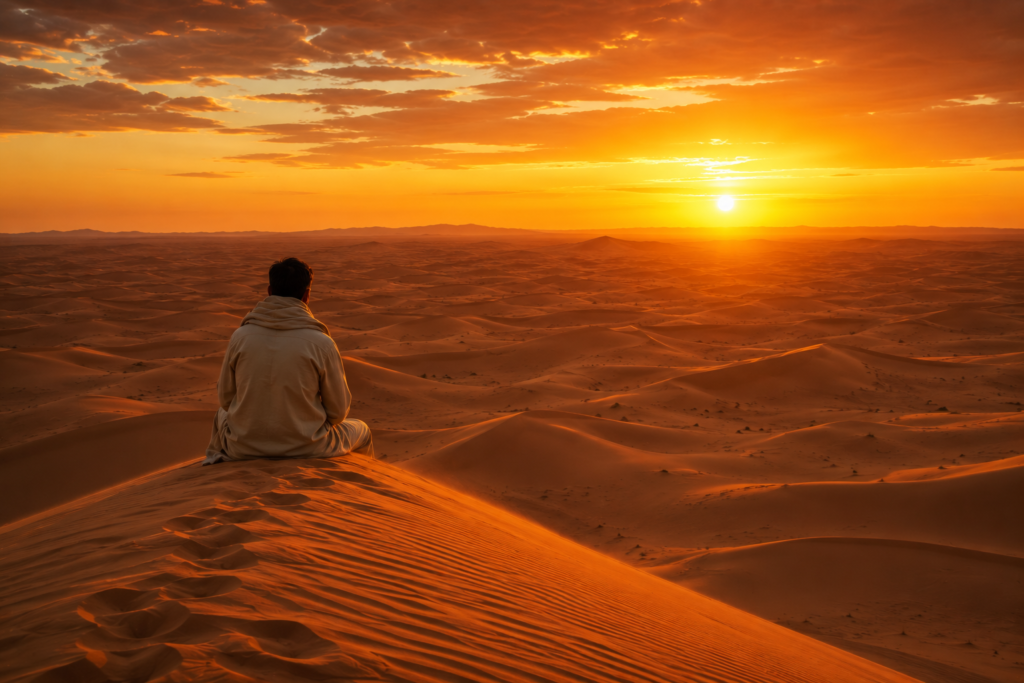
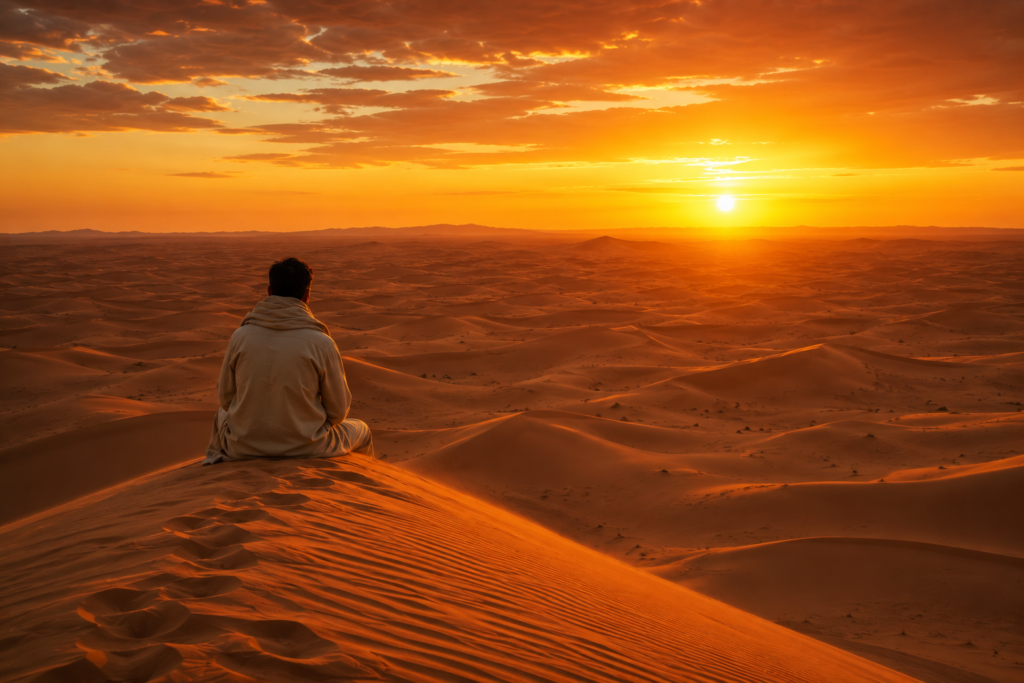
Many visitors choose to climb one of the highest dunes before sunrise or sunset. Although walking through soft sand can be physically demanding, the panoramic views reward every step. Looking across endless waves of sand while hearing nothing but the gentle wind creates a profound sense of peace rarely experienced elsewhere.
Photography enthusiasts often spend hours exploring the constantly shifting dune formations. Wind creates intricate ripple patterns across untouched sand each morning, while isolated camel tracks add scale and visual interest. Because the landscape changes daily, no two visits ever produce identical photographs.
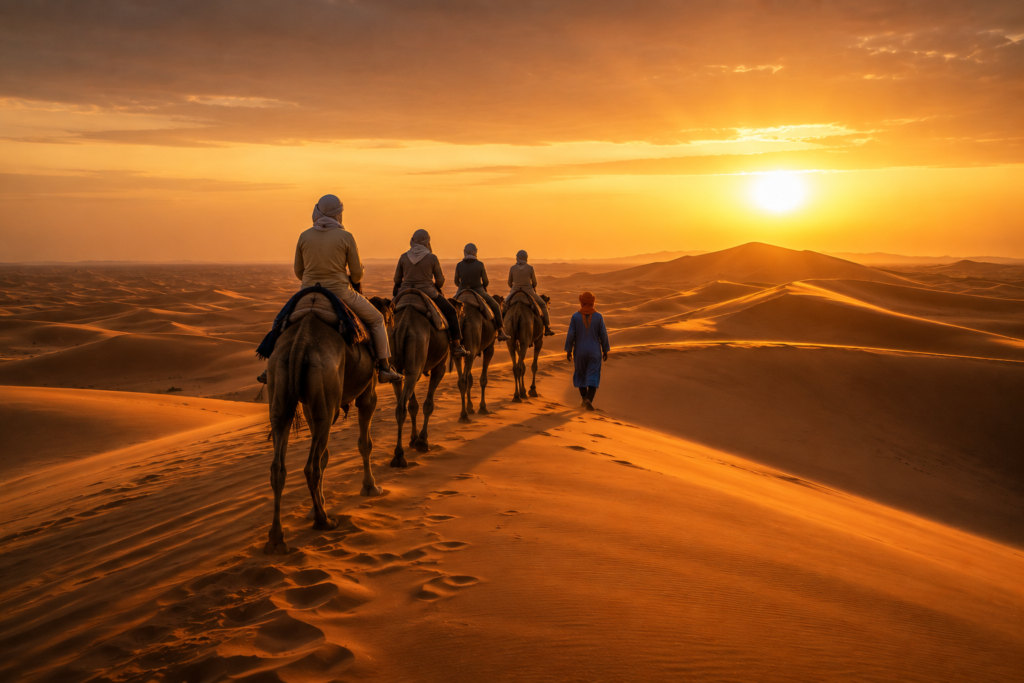
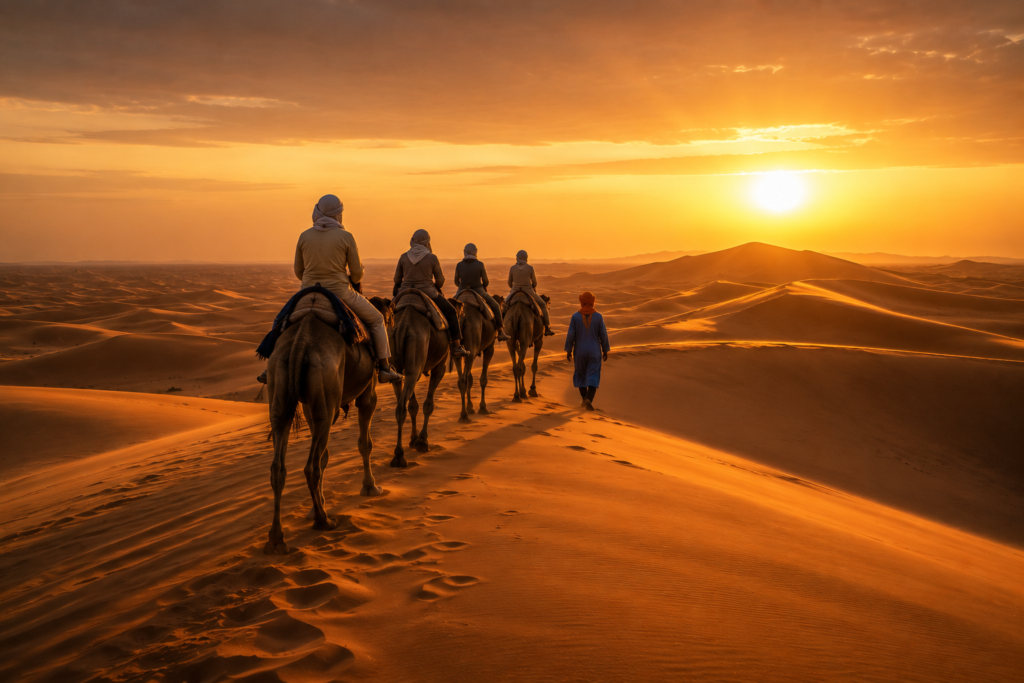
Camel trekking remains one of Merzouga’s signature experiences and offers a direct connection to the region’s trading history. Local guides lead visitors through the dunes aboard dromedary camels, following traditional routes once travelled by ancient caravans. Although riding a camel requires some adjustment, the slow pace allows travellers to fully appreciate the surrounding silence and vastness.
Most camel excursions begin during the late afternoon, allowing guests to reach their desert camp before sunset. As the sun sinks beneath distant dunes, the entire landscape glows with remarkable intensity. Guides frequently stop along the route so visitors can photograph the changing colours or simply enjoy the scenery.
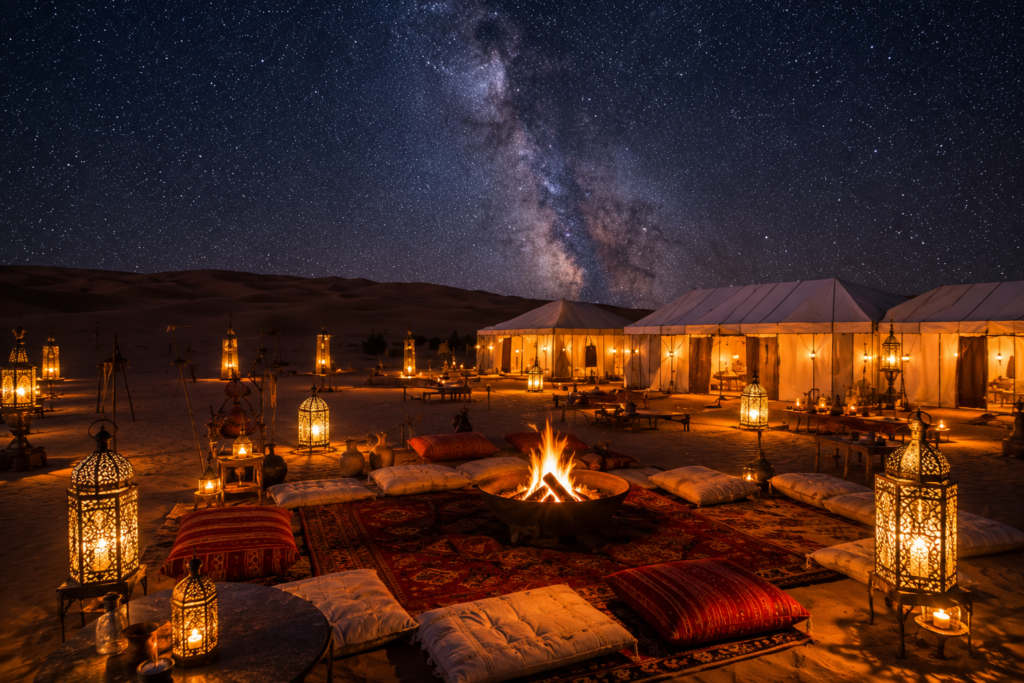
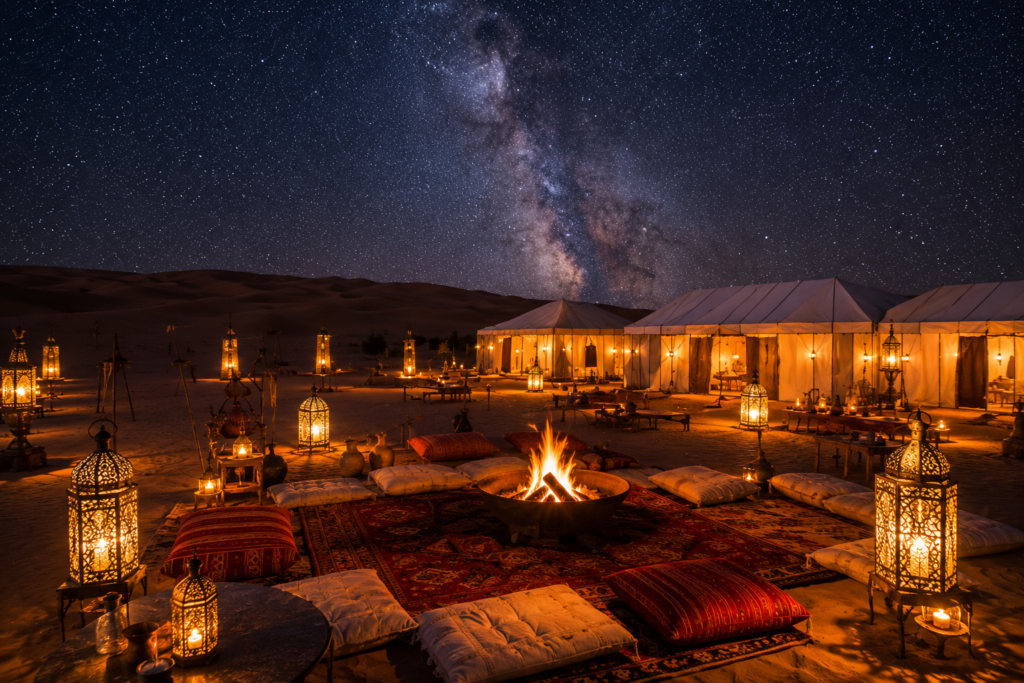
After arriving at camp, guests are welcomed with traditional Moroccan mint tea before settling into their tents. Evenings often include freshly prepared tagines, couscous, grilled meats and vegetarian dishes accompanied by traditional Berber music performed around an open fire. Drums echo softly across the dunes while the Milky Way stretches overhead, creating one of Morocco’s most unforgettable travel experiences.
Luxury desert camps have transformed overnight stays without sacrificing authenticity. Many camps now feature spacious canvas suites complete with comfortable beds, private bathrooms, solar-powered lighting and beautifully furnished communal areas. Gourmet dining, attentive service and thoughtfully designed interiors allow visitors to experience the Sahara in remarkable comfort while still remaining immersed in nature.
Several camps have embraced sustainable tourism by using solar energy, reducing plastic waste and sourcing ingredients from nearby communities. Supporting locally owned camps helps preserve traditional livelihoods while ensuring tourism benefits remain within the region.
Among the highly regarded accommodation options in and around Merzouga are Luxury Desert Camp Merzouga, Riad Madu, Kasbah Mohayut, Auberge Les Roches and Nomad Palace Hotel. Each offers its own interpretation of desert hospitality, ranging from traditional kasbah architecture to elegant luxury camps nestled among the dunes.
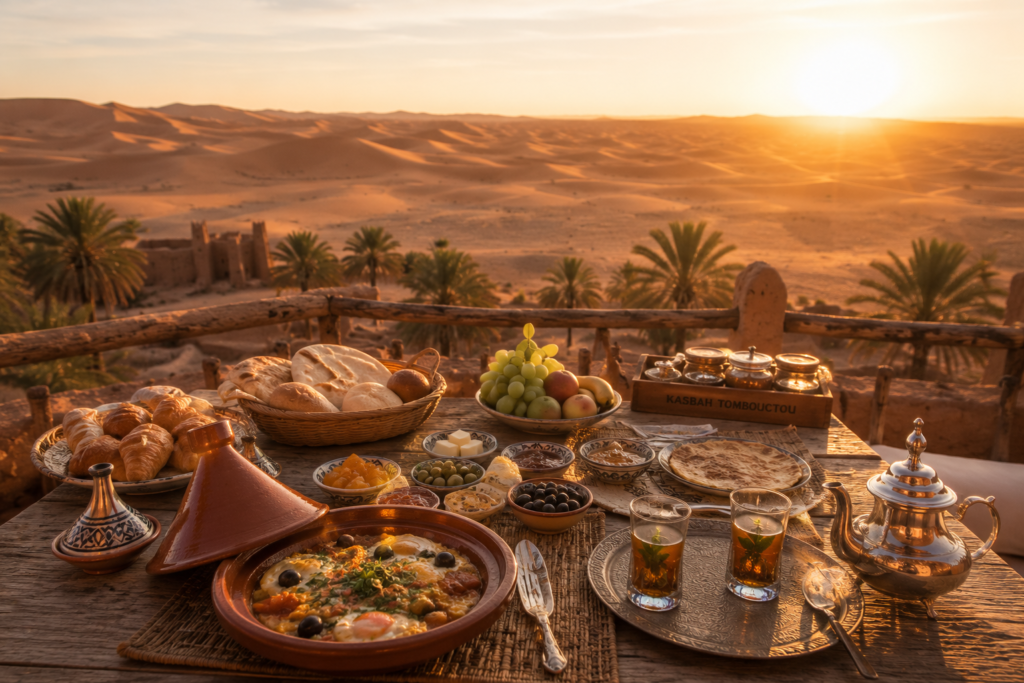
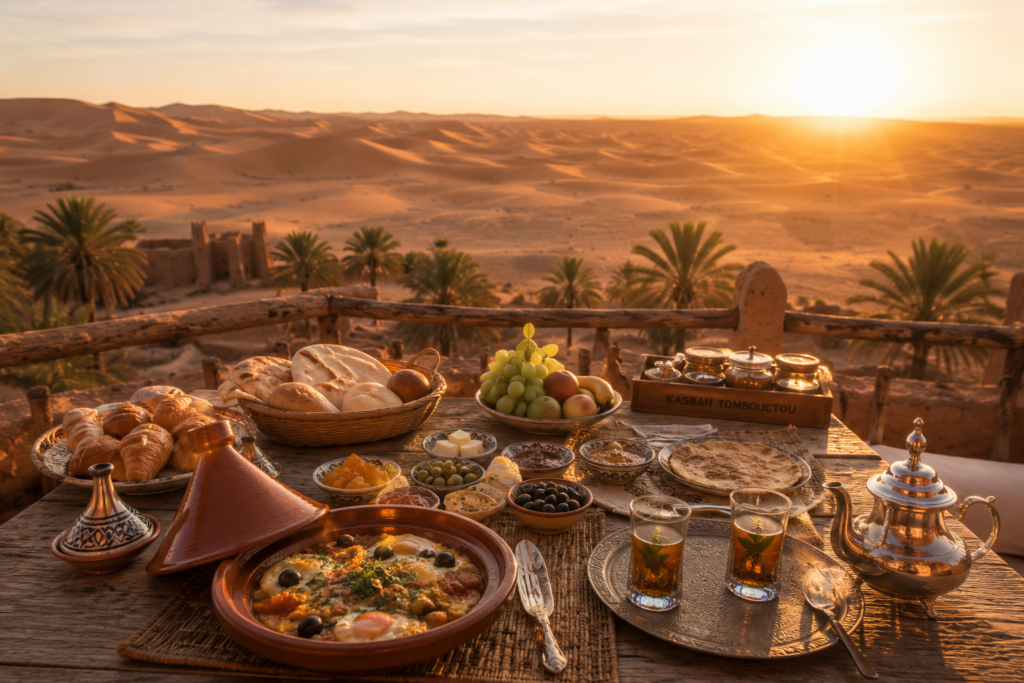
Food forms an essential part of every Moroccan journey, and Merzouga offers visitors the opportunity to sample authentic regional cuisine prepared using recipes passed through generations. Tagines remain the signature dish throughout the region, slowly cooked inside distinctive clay pots that produce exceptionally tender meats and richly flavoured vegetables. Chicken preserved with lemon and olives, lamb with prunes and almonds and vegetable tagines seasoned with saffron and cumin are particularly popular.
Berber pizza, known locally as Medfouna, represents another regional speciality. Unlike traditional Italian pizza, Medfouna consists of spiced meat, herbs and vegetables enclosed within bread before being baked beneath hot sand or inside clay ovens. The result is a hearty, flavourful meal perfectly suited to desert climates.
Freshly baked Moroccan bread accompanies almost every meal and is often used instead of cutlery to scoop tagines and salads. Meals are typically completed with seasonal fruit, sweet pastries and endless glasses of refreshing mint tea, symbolising hospitality throughout Moroccan culture.
Visitors seeking memorable dining experiences should consider restaurants such as Restaurant Café Fatima, Café Restaurant Tenere, Restaurant Trans Sahara and Café Restaurant La Vallée. These establishments serve generous portions of traditional Moroccan cuisine while providing welcoming atmospheres for travellers arriving after long desert journeys.
The beauty of Merzouga extends well beyond the famous dunes themselves. Spending several days in the region allows travellers to uncover hidden villages, fascinating cultural traditions and remarkable landscapes that many visitors miss when rushing through on overnight tours. Slowing down and exploring at a relaxed pace reveals that the Sahara is far more than an expanse of sand. It is a living landscape shaped by generations of Berber nomads, Gnawa musicians, desert wildlife and resilient communities who have adapted to one of the world’s harshest environments.
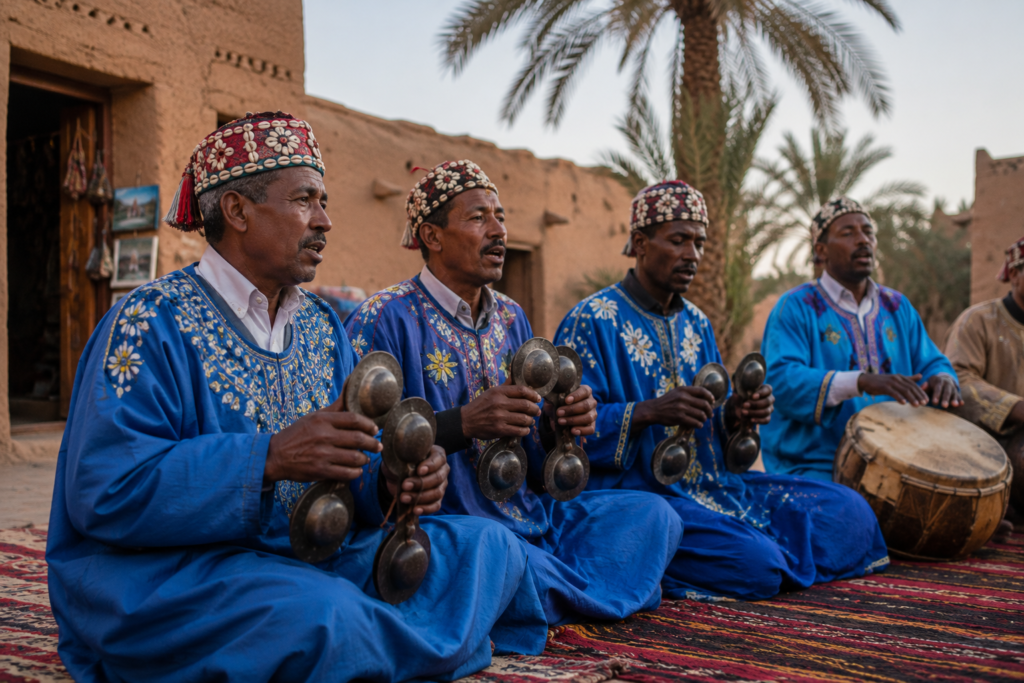
One of the most rewarding experiences is visiting the nearby village of Khamlia, located just a short drive from Merzouga. The village is home to descendants of sub-Saharan Africans whose ancestors arrived through ancient caravan routes centuries ago. Today, Khamlia is renowned for its vibrant Gnawa music, a spiritual tradition combining hypnotic rhythms, chanting and percussion instruments. Visitors are welcomed into small cultural centres where musicians perform energetic concerts while sharing stories about their heritage. The welcoming atmosphere makes Khamlia far more than a tourist stop; it provides genuine insight into Morocco’s remarkable cultural diversity.
Another unforgettable excursion takes travellers to the abandoned village of M’Fis. Once a thriving mining settlement, M’Fis was known for its deposits of galena, a lead ore that attracted workers during the French colonial period. Today, the crumbling buildings stand in stark contrast to the surrounding desert, creating a haunting yet fascinating destination for photographers and history enthusiasts. Exploring the abandoned structures while surrounded by endless desert provides a powerful reminder of how quickly nature reclaims human settlements.
Adventure seekers will find countless opportunities beyond camel trekking. Quad biking across Erg Chebbi has become one of the region’s most popular activities, allowing visitors to cover greater distances while experiencing the exhilaration of navigating towering dunes. Guided tours cater to both beginners and experienced riders, with safety equipment and instruction provided before departure. Those seeking an even greater adrenaline rush may enjoy dune buggy excursions, which offer remarkable views while travelling through some of the highest sections of Erg Chebbi.
Sandboarding has also gained popularity among visitors of all ages. Using specially designed boards, travellers can slide down steep dunes much like snowboarding on powder snow. Although climbing back to the top requires some effort, the experience is both exhilarating and surprisingly accessible, even for beginners. Many desert camps provide sandboards as part of their overnight packages.
For travellers who appreciate slower adventures, walking across the dunes with a knowledgeable local guide offers an entirely different perspective. Guides explain how plants survive beneath shifting sands, identify animal tracks left overnight and describe the traditional navigation techniques once used by nomadic families. Walking quietly across untouched dunes allows visitors to notice subtle details that are often missed during vehicle-based tours.
Wildlife enthusiasts are often surprised by the variety of species that inhabit the seemingly barren desert. While sightings require patience, the Sahara supports numerous reptiles, insects, birds and mammals specially adapted to survive extreme temperatures. Desert foxes occasionally emerge after sunset, while jerboas leave tiny tracks across the sand during the night. Birdwatchers visiting after seasonal rainfall may observe migratory species using nearby wetlands before continuing their journeys between Europe and Africa.
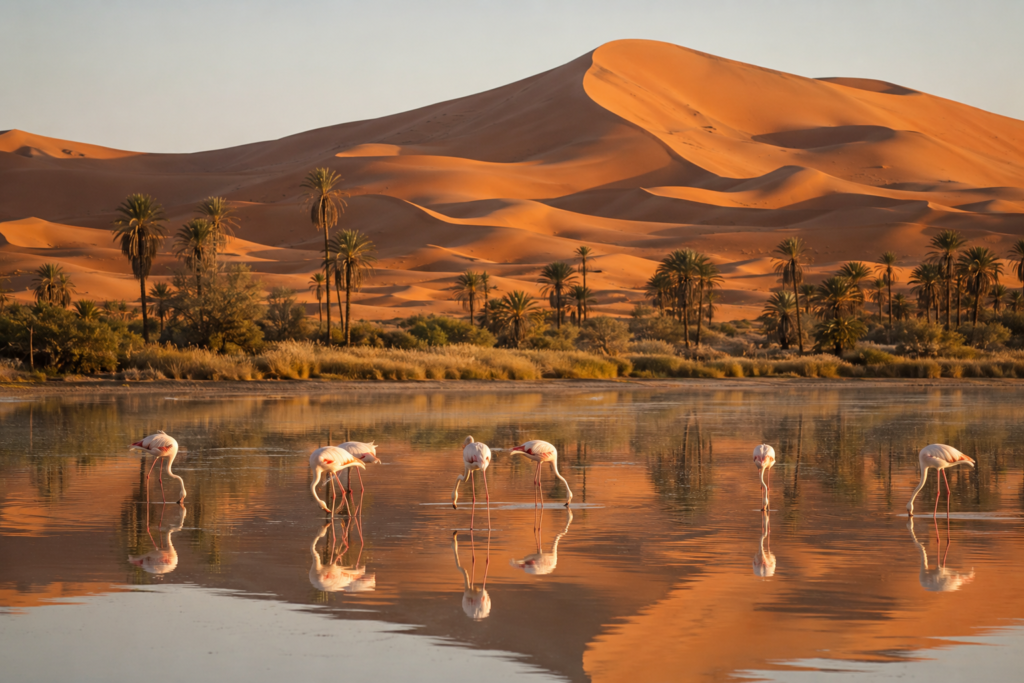
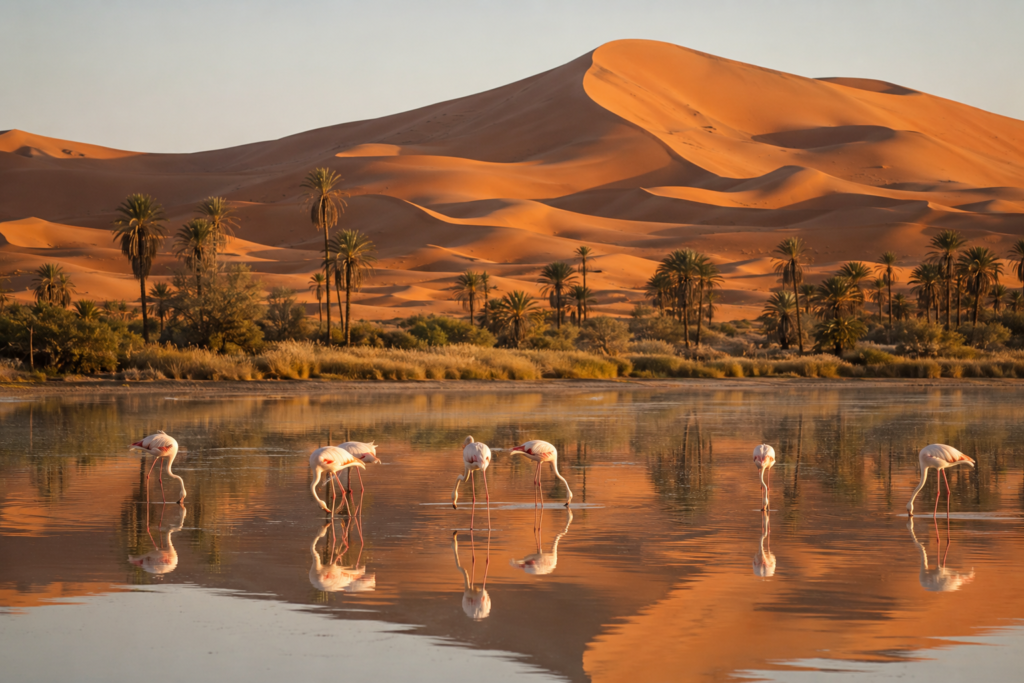
One particularly interesting destination is Dayet Srij Lake, located close to Merzouga. During wetter years, this seasonal salt lake attracts impressive numbers of migratory birds, including flamingos, herons and storks. The sight of bright pink flamingos standing against a backdrop of golden sand dunes creates one of Morocco’s most unexpected natural spectacles. The best time to visit is generally during winter and early spring, when water levels are highest.
Sunrise in the Sahara deserves special mention because it represents one of the defining moments of any visit to Merzouga. Many guests wake before dawn and climb the nearest dune while stars still fill the sky. As the eastern horizon begins to glow, the cool desert gradually awakens. The first rays of sunlight transform the dunes from soft blue to golden yellow within minutes, creating breathtaking photography opportunities. Unlike crowded sunrise viewpoints elsewhere in the world, visitors often find themselves enjoying complete silence, interrupted only by gentle desert winds.
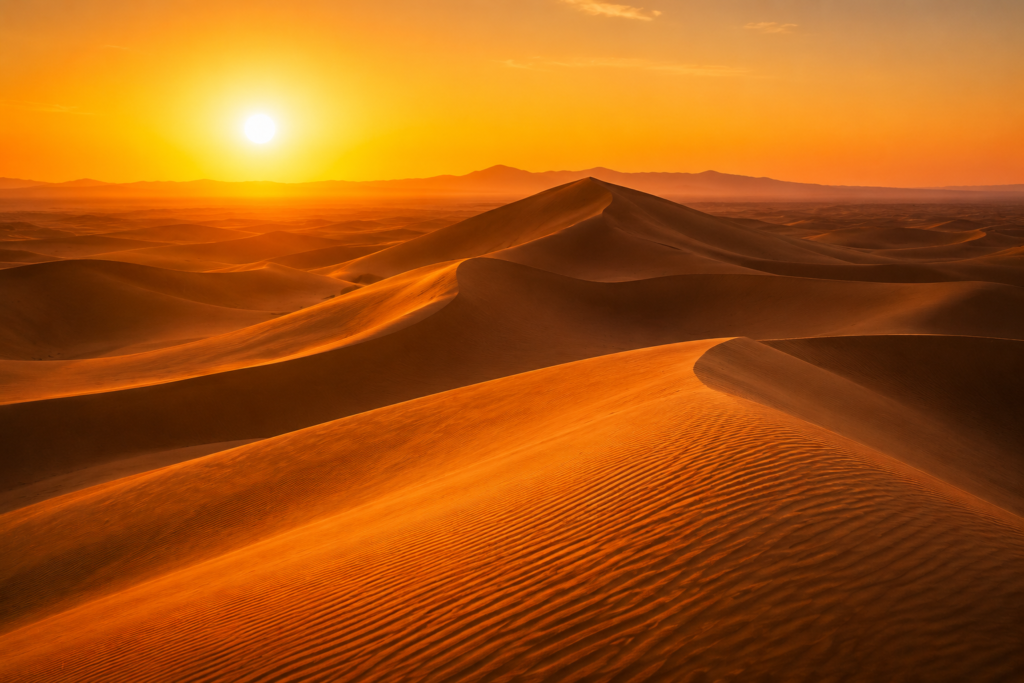
Sunset offers an equally spectacular experience. Throughout the afternoon, shadows lengthen across the dunes before the landscape bursts into shades of amber, crimson and burnt orange. Professional photographers frequently describe Erg Chebbi as one of North Africa’s finest locations for landscape photography because of its constantly changing light. Even travellers using smartphones can capture extraordinary images thanks to the dramatic scenery.
Nightfall introduces yet another unforgettable chapter. With virtually no light pollution, the Sahara provides exceptional conditions for stargazing. The Milky Way appears vividly across the sky, accompanied by countless stars invisible from urban environments. Many luxury camps offer telescopes or guided astronomy sessions, allowing guests to identify constellations, planets and distant galaxies while relaxing around a campfire. During meteor showers, the experience becomes even more memorable as shooting stars streak across the desert sky.
Shopping in Merzouga differs significantly from the bustling souks found in Marrakech or Fes. Rather than sprawling marketplaces, visitors discover small family-owned shops selling locally crafted products. Handwoven Berber rugs remain among the region’s most sought-after souvenirs, with intricate geometric patterns reflecting tribal traditions passed down through generations. No two rugs are exactly alike, making each piece a unique reminder of a journey through the Sahara.
Visitors will also find handcrafted jewellery made from silver, leather goods, pottery, colourful scarves, woven baskets and beautifully embroidered textiles. Purchasing directly from local artisans supports community businesses while ensuring traditional craftsmanship continues to thrive. Bargaining is generally expected, but negotiations should remain friendly and respectful.
Accommodation in Merzouga caters to a wide range of budgets while maintaining the region’s renowned hospitality. Travellers seeking luxury often choose elegant desert camps featuring spacious private tents complete with ensuite bathrooms, comfortable king-sized beds, fine Moroccan cuisine and beautifully furnished communal lounges. These camps combine modern comfort with authentic architecture, creating unforgettable overnight experiences beneath the stars.
For visitors preferring traditional accommodation, several excellent guesthouses and riads provide warm hospitality and personalised service. Riad Madu remains one of the area’s most highly regarded properties, offering stylish rooms overlooking the dunes, an inviting swimming pool and exceptional Moroccan cuisine. Kasbah Mohayut combines beautiful gardens with traditional architecture, making it a peaceful retreat after long days exploring the desert. Auberge Les Roches is particularly popular among travellers seeking panoramic dune views, while Kanz Erremal is famous for being one of the few hotels situated directly beside Erg Chebbi.
Dining forms another highlight of any stay in Merzouga. Restaurant Café Fatima has earned an excellent reputation for generous portions of authentic Moroccan cuisine served in a relaxed atmosphere. Their chicken tagine with preserved lemon and olives remains a favourite among returning visitors. Café Restaurant Tenere specialises in traditional Berber dishes, while Restaurant Oasis offers fresh salads, grilled meats and hearty vegetarian options after long days of sightseeing. Restaurant Trans Sahara provides another excellent opportunity to sample regional cuisine prepared using locally sourced ingredients and traditional cooking methods.
Visitors should not leave Merzouga without tasting Madfouna, often referred to as Berber pizza. Unlike conventional pizza, this regional speciality consists of seasoned meat, herbs, onions and spices enclosed inside freshly baked bread before being cooked until crisp on the outside and tender within. It reflects the practical cooking methods developed by desert communities over centuries and remains one of southeastern Morocco’s signature dishes.
Planning two or three nights in Merzouga allows enough time to fully appreciate everything the region has to offer. A typical itinerary begins with arrival during the afternoon, followed by a camel trek into Erg Chebbi and an overnight stay in a luxury desert camp. The following day can be spent exploring Khamlia Village, M’Fis, Dayet Srij Lake and surrounding desert landscapes before returning to a comfortable riad for the evening. A final sunrise over the dunes provides a fitting conclusion before continuing onward through Morocco.
Travellers should pack thoughtfully for desert conditions. Lightweight breathable clothing works well during the day, while warm layers become essential after sunset, particularly between November and February. Comfortable walking shoes, sunglasses, sunscreen, lip balm and a wide-brimmed hat help protect against the strong desert sun. A reusable water bottle, portable power bank and camera with extra memory cards are also highly recommended, as visitors often capture hundreds of photographs throughout their stay.
Merzouga is more than simply a destination—it represents one of Morocco’s most profound travel experiences. It is a place where ancient caravan traditions remain alive, where hospitality is offered without hesitation and where nature creates breathtaking beauty every single day. Whether watching sunrise from the crest of a towering dune, sharing stories around a campfire beneath countless stars or listening to the rhythmic sounds of Gnawa music echo across the desert, visitors leave with memories that remain vivid long after returning home.
Leave a Reply