Your cart is currently empty!
Category: Uncategorized
-
New York City Travel Guide 2026: Hidden Gems, Iconic Landmarks & Local Experiences
Welcome to the City That Never Sleeps
There are few places in the world that capture the imagination quite like New York City. Immortalised in countless films, television shows, novels and photographs, the city has become much more than a destination—it represents ambition, creativity, diversity and endless possibility. Whether you’re standing beneath the bright lights of Times Square, watching the sun rise over the Brooklyn Bridge or enjoying a quiet coffee in a neighbourhood café, New York has a remarkable way of making every visitor feel as though they’re part of something bigger.
For first-time visitors, New York City can seem overwhelming. More than eight million people call the city home, hundreds of languages are spoken throughout its five boroughs, and every street seems to reveal another famous landmark, hidden restaurant or unforgettable view. Yet beneath the fast pace and towering skyline lies a city that rewards curiosity. Some of the most memorable experiences aren’t necessarily found in guidebooks—they’re discovered while wandering through tree-lined streets in Greenwich Village, finding a hidden rooftop overlooking Manhattan or stumbling across a weekend market in Brooklyn.
In 2026, New York City continues to evolve while remaining one of the world’s most iconic travel destinations. New restaurants, observation decks, cultural experiences and neighbourhood revitalisations are constantly giving travellers fresh reasons to return. At the same time, timeless attractions such as Central Park, the Statue of Liberty and the Empire State Building continue to inspire millions of visitors each year.
This guide has been created to help you experience both sides of New York—the world-famous landmarks that define the city’s identity and the local experiences that make visitors fall in love with it. Whether you’re visiting for a long weekend or planning an extended holiday, you’ll discover practical travel tips, hidden gems and unforgettable places that deserve a place on every itinerary.
Why Visit New York City in 2026?
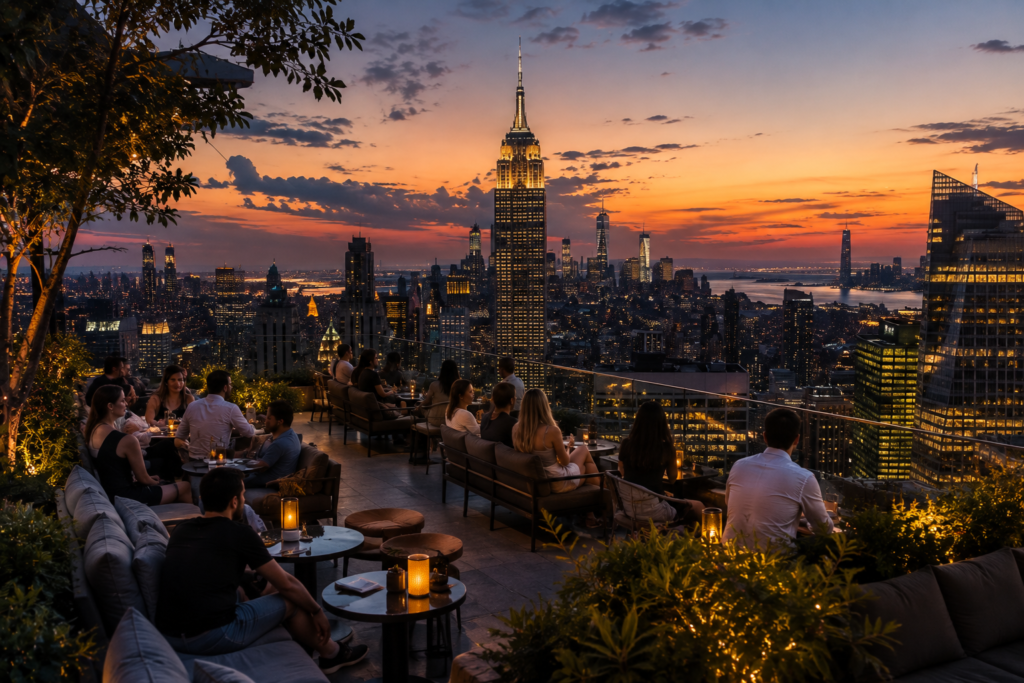
New York has always been one of the world’s great cities, but visiting in 2026 offers travellers more opportunities than ever before. The city’s tourism industry continues to flourish with exciting attractions, improved public spaces and an ever-expanding food and cultural scene. Neighbourhoods that were once overlooked have become vibrant destinations filled with independent cafés, boutique hotels, artisan markets and creative spaces.
One of the greatest strengths of New York is its incredible diversity. Unlike many destinations that focus on a single attraction, New York offers countless experiences within a relatively compact area. You can begin your morning exploring one of the world’s largest art museums, spend the afternoon shopping along Fifth Avenue, enjoy authentic cuisine from almost any country in the world for dinner and finish the evening watching a Broadway performance before taking in the glittering Manhattan skyline from a rooftop bar.
Every season also transforms the city in its own unique way. Spring fills parks with colourful blossoms, summer brings outdoor concerts and waterfront festivals, autumn paints the streets with vibrant orange foliage and winter transforms Manhattan into a magical wonderland of festive lights, Christmas markets and famous ice-skating rinks. There is never truly a bad time to visit—only different experiences waiting to be discovered.
Perhaps the biggest reason people continue returning to New York is that no two visits are ever the same. Even lifelong residents admit there is always another neighbourhood to explore, another hidden café to discover or another incredible restaurant to try. The city constantly reinvents itself while somehow remaining unmistakably New York.
Is New York City Worth Visiting?
It’s a question that appears frequently across travel forums and social media, particularly among travellers planning their first visit to the United States. The simple answer is yes—but perhaps not for the reasons many people expect.
New York isn’t just about ticking famous landmarks off a bucket list. While standing beneath the Statue of Liberty or looking out from the Top of the Rock are unforgettable moments, the true magic of the city lies in everyday experiences. It’s the smell of fresh bagels drifting from a neighbourhood bakery early in the morning. It’s musicians performing in subway stations, artists displaying their work along the High Line and the incredible mix of cultures that shape every block.
Unlike purpose-built tourist destinations, New York feels alive. People aren’t simply visiting the city—they’re living, working, creating and building their futures within it. That energy becomes infectious, making even simple walks through Manhattan feel exciting.
Visitors often arrive expecting to spend most of their time visiting attractions, only to discover that wandering through neighbourhoods such as SoHo, Greenwich Village, Chelsea and Brooklyn becomes equally rewarding. Every street offers something unexpected, whether it’s colourful street art, a hidden bookstore, an independent coffee roaster or a spectacular skyline view.
The Best Time to Visit New York City
One of the most common questions travellers ask is when they should visit New York. The truth is that every season offers a completely different perspective of the city, and choosing the best time depends largely on the type of experience you’re looking for.
Spring is one of the most pleasant times to explore New York. As winter fades, Central Park bursts into colour with blooming cherry blossoms, tulips and flowering trees. Outdoor cafés begin filling with locals, rooftop bars reopen for the season and temperatures are comfortable enough for long walks through Manhattan without the intense heat of summer. Photographers particularly love this time of year thanks to the soft natural light and colourful parks.
Summer brings an unmistakable energy to the city. Long daylight hours allow visitors to explore from early morning until late evening, while outdoor concerts, food festivals and sporting events create a lively atmosphere across every borough. Ferry rides, rooftop dining and sunset walks along the Hudson River become some of the city’s most memorable experiences. Although temperatures can occasionally be hot and humid, summer remains one of the busiest and most exciting times to visit.
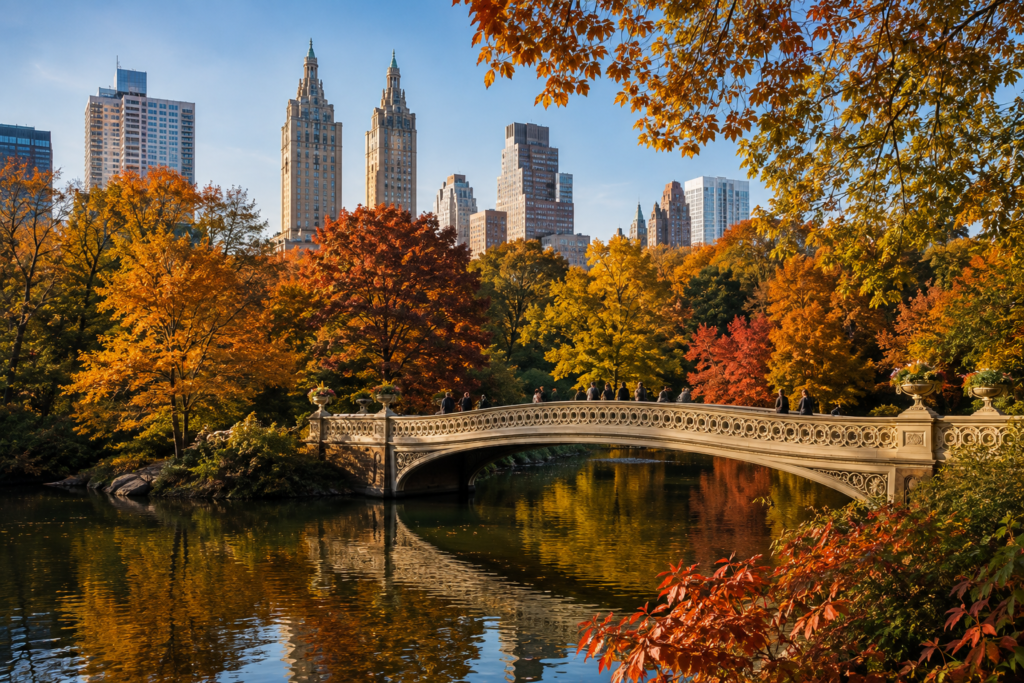
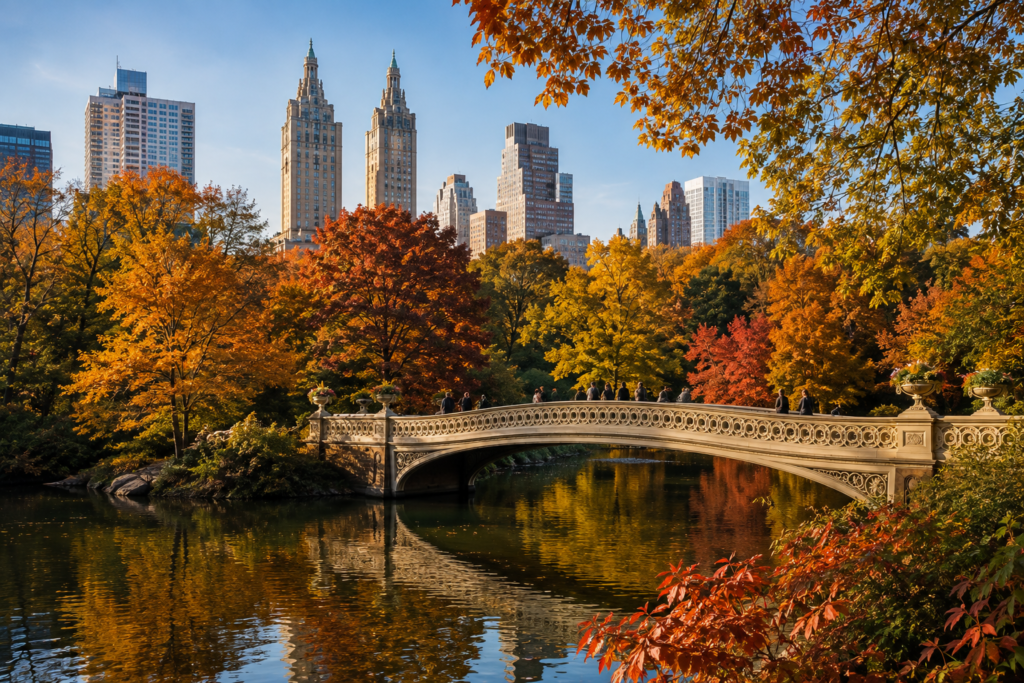
Autumn is often considered New York’s most beautiful season. Central Park becomes a spectacular display of golden, orange and crimson leaves, creating postcard-worthy scenery around every corner. Comfortable temperatures make sightseeing particularly enjoyable, and many visitors appreciate the slightly smaller crowds compared to peak summer.
Winter offers a completely different kind of magic. Christmas decorations illuminate Fifth Avenue, enormous holiday displays appear in department store windows and the famous Rockefeller Center Christmas Tree attracts visitors from around the world. Snowfall transforms the city’s parks into peaceful winter landscapes, while cosy cafés provide the perfect escape from the cold.
Understanding New York’s Neighbourhoods
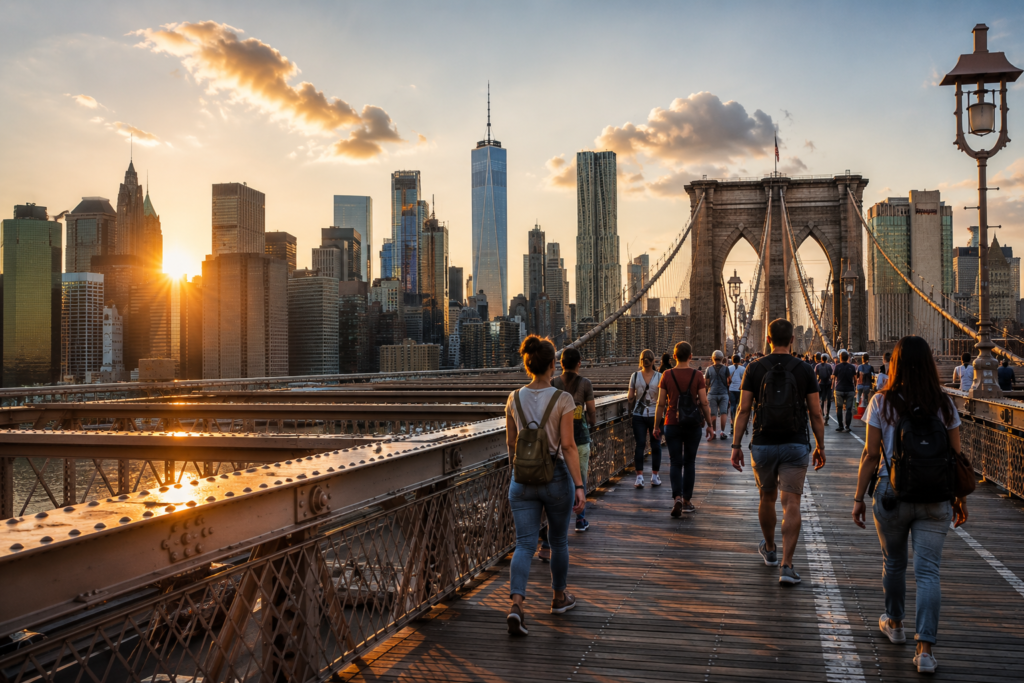
One of the biggest mistakes first-time visitors make is assuming New York City is simply Manhattan. In reality, the city consists of five boroughs, each with its own personality, culture and attractions.
Manhattan remains the heart of tourism, home to many of the world’s most recognisable landmarks. Here you’ll find Times Square, Central Park, Broadway, Wall Street, Fifth Avenue and countless museums, restaurants and observation decks. The energy is fast-paced, exciting and unmistakably iconic.
Cross the East River into Brooklyn and you’ll discover a completely different atmosphere. Historic brownstone streets, creative communities, artisan coffee shops, waterfront parks and independent boutiques make Brooklyn one of the city’s most popular destinations for travellers seeking a more local experience. The views back towards Manhattan, particularly from Brooklyn Bridge Park and DUMBO, are among the most photographed in New York.
Queens offers another fascinating perspective of the city. Known as one of the most culturally diverse places on Earth, it’s a paradise for food lovers. Authentic cuisines from around the world can be found within just a few blocks, making it one of the best boroughs for adventurous travellers.
The Bronx, famous as the birthplace of hip-hop, is home to the New York Botanical Garden, Yankee Stadium and the Bronx Zoo, while Staten Island provides a quieter pace of life along with spectacular harbour views during the iconic Staten Island Ferry journey.
Exploring beyond Manhattan allows visitors to experience the true diversity that makes New York one of the world’s most fascinating cities.
Iconic Landmarks You Can’t Miss
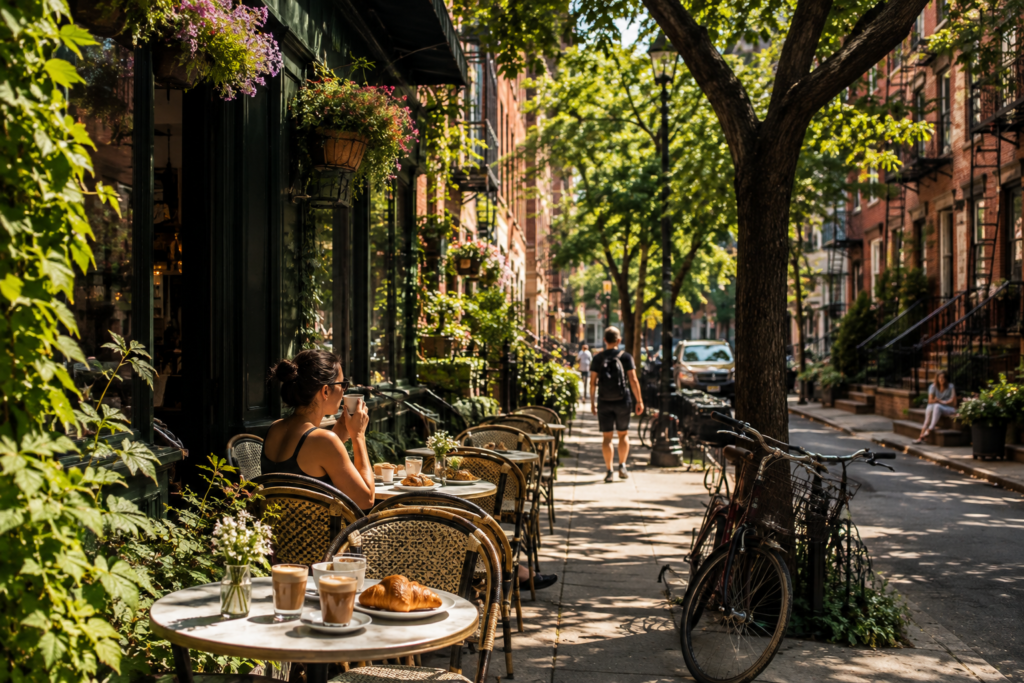
Every traveller has a list of places they dream about seeing, and New York delivers some of the most recognisable landmarks anywhere in the world.
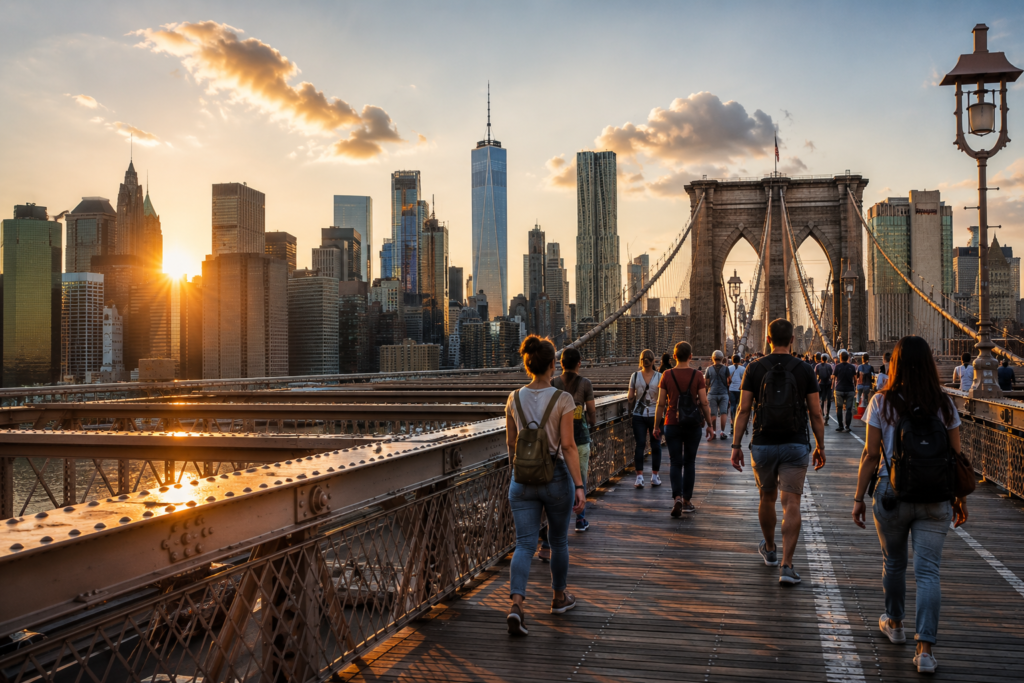
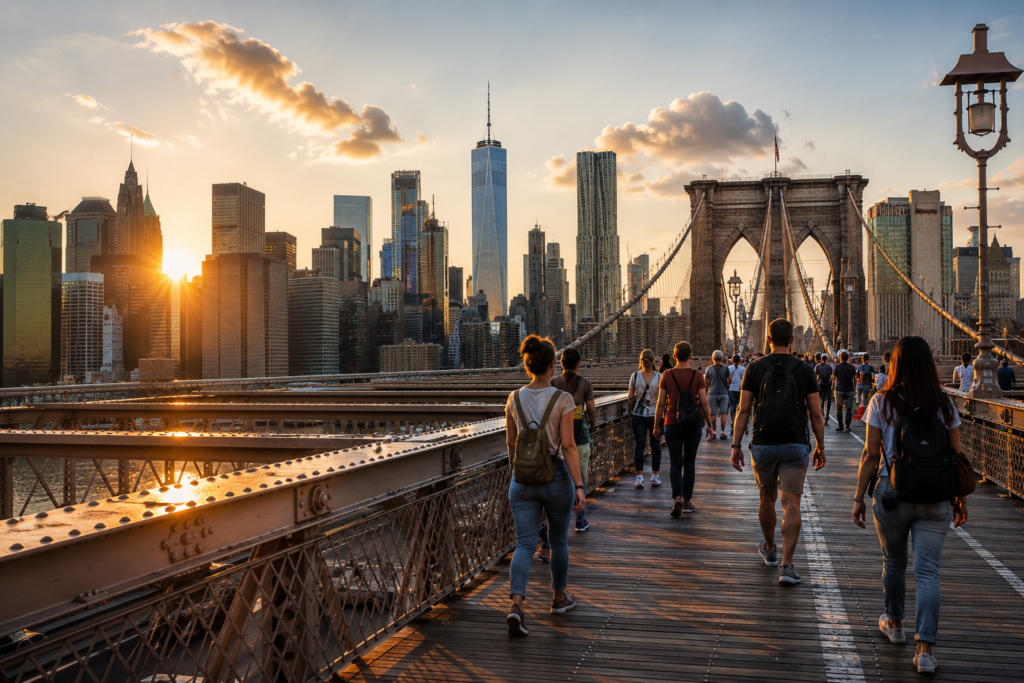
Watching the sun rise over the Brooklyn Bridge before the crowds arrive is one of the city’s most unforgettable experiences. Walking across its historic wooden boardwalk offers panoramic views of Lower Manhattan while the skyline gradually comes to life in the morning light.
Central Park provides a welcome escape from the surrounding skyscrapers. Covering more than 340 hectares, it’s easy to forget you’re standing in the middle of one of the busiest cities on Earth. Rent a bicycle, enjoy a picnic beside the lake or simply wander along its winding pathways while watching street performers and musicians entertain visitors.
No first trip feels complete without seeing the Statue of Liberty. Standing proudly in New York Harbor, Lady Liberty has welcomed millions of immigrants and visitors for generations. Whether viewed from a ferry or admired from Battery Park, she remains one of the city’s defining symbols.
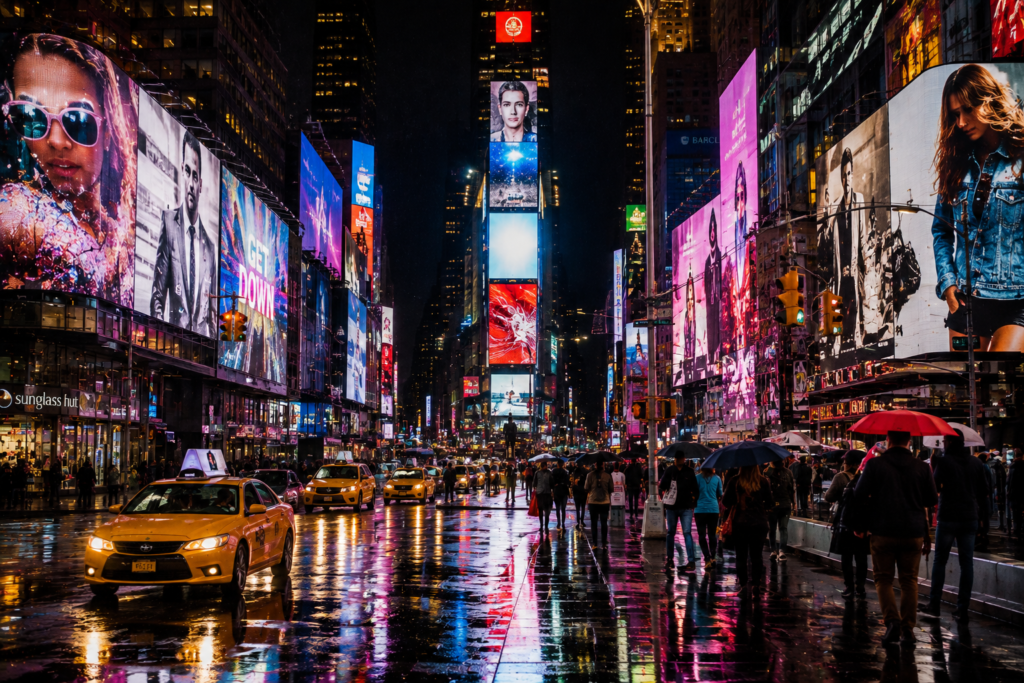
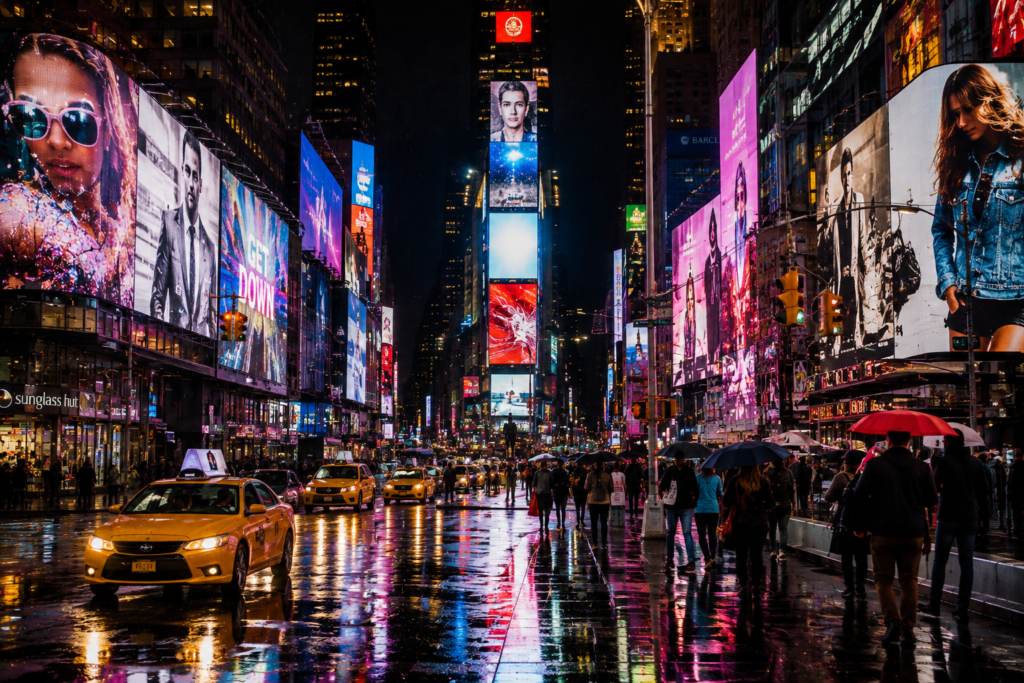
Times Square, despite its crowds, is another essential experience. The giant digital billboards, theatres, performers and constant energy create an atmosphere unlike anywhere else in the world. Visiting both during the day and again after dark offers two completely different experiences.
Observation decks such as the Empire State Building, Top of the Rock, One World Observatory and SUMMIT One Vanderbilt each provide breathtaking perspectives of Manhattan’s skyline. Watching the city stretch towards the horizon reminds visitors why New York has inspired artists, photographers and filmmakers for more than a century.
Looking Ahead
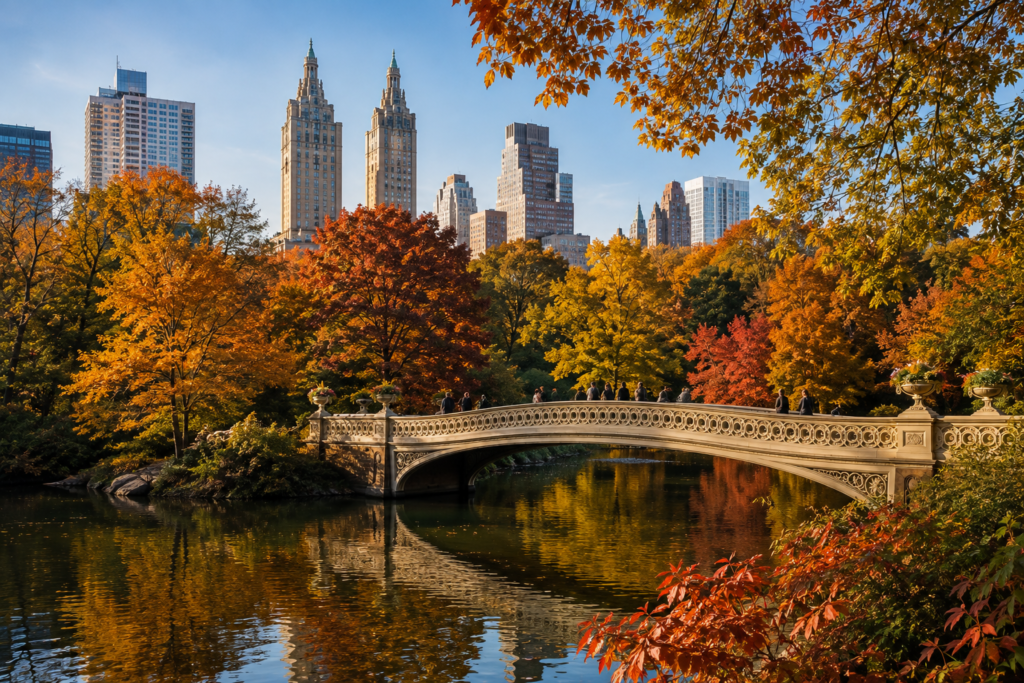
Now that you’ve discovered why New York City continues to captivate millions of travellers every year, it’s time to dive deeper into the experiences that truly make the city unforgettable.
Where to Stay in New York City
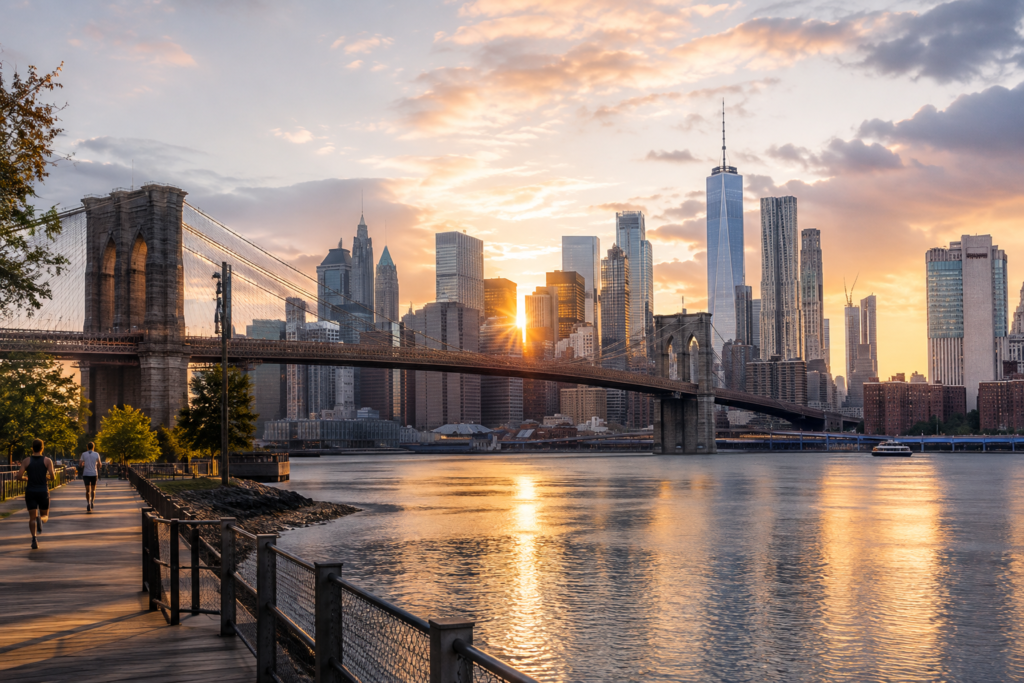
Choosing where to stay is one of the most important decisions you’ll make when planning a trip to New York City. Each neighbourhood has its own unique personality, atmosphere and pace, meaning the right location depends on the type of holiday you’re hoping to experience.
For first-time visitors, Midtown Manhattan remains one of the most convenient places to stay. Many of the city’s most famous attractions—including Times Square, the Empire State Building, Bryant Park and Broadway—are within walking distance or only a short subway ride away. Hotels here range from luxury five-star accommodation to smaller boutique properties, making it suitable for a variety of budgets. While Midtown can feel busy throughout the day, its central location means you’ll spend less time travelling between attractions and more time exploring the city.
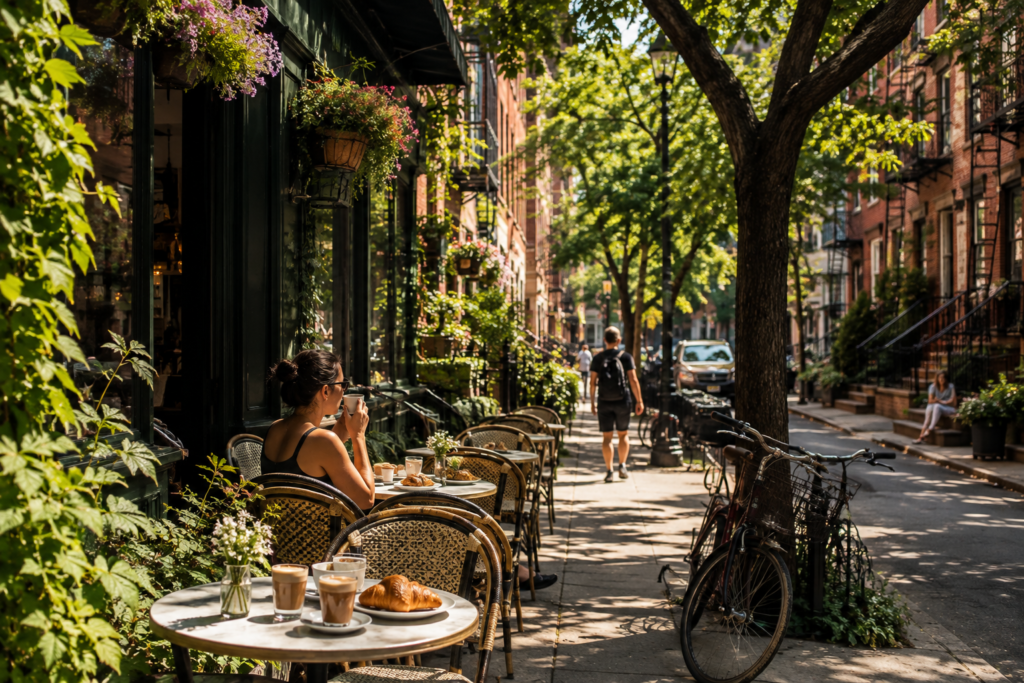
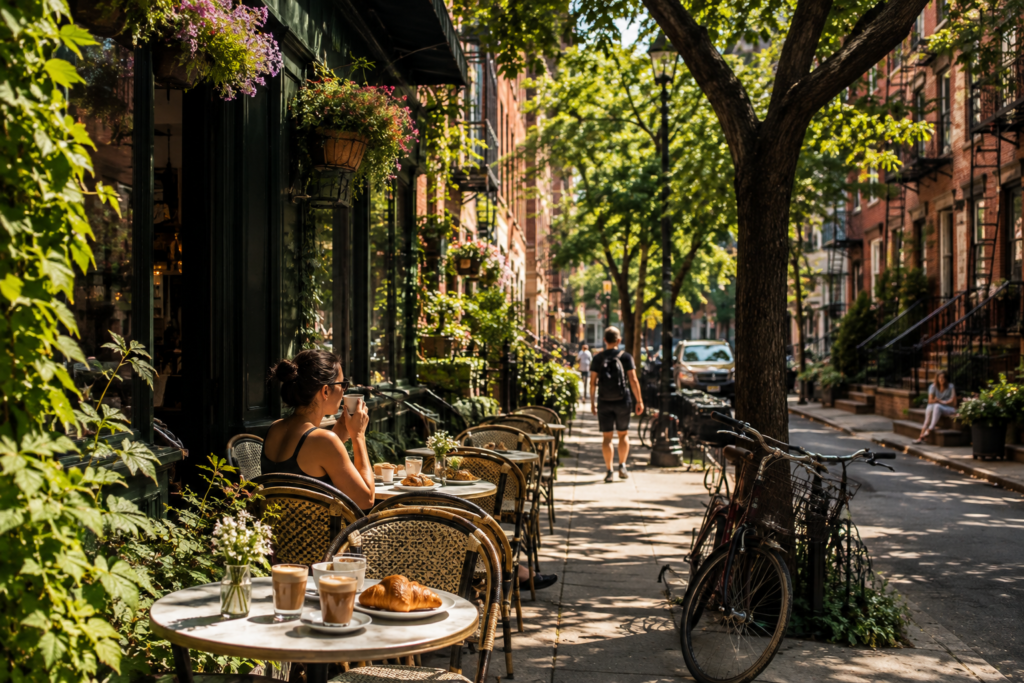
Travellers looking for a more relaxed and authentic New York experience often gravitate towards neighbourhoods such as Greenwich Village, SoHo and the Lower East Side. These areas are characterised by tree-lined streets, independent cafés, historic brownstones, art galleries and boutique shopping. Rather than towering office buildings and tourist crowds, you’ll discover neighbourhoods where locals gather for morning coffee, browse weekend markets and spend evenings at cosy restaurants tucked away on quiet side streets.
Across the East River, Brooklyn has become one of New York’s most sought-after places to stay. Neighbourhoods like Williamsburg and DUMBO offer spectacular views of the Manhattan skyline alongside an incredible collection of cafés, breweries, creative workspaces and waterfront parks. Many visitors choose Brooklyn specifically because it provides a slower pace while remaining only minutes from Manhattan via the subway.
No matter where you choose to stay, New York’s extensive public transport system makes it easy to explore every corner of the city. Sometimes staying slightly outside the busiest tourist areas not only provides better value but also offers a more authentic glimpse into everyday life in one of the world’s greatest cities.
Exploring New York’s Incredible Food Scene
One of the easiest ways to experience New York’s cultural diversity is through its food. The city is often described as one of the world’s culinary capitals, with flavours from virtually every country represented across its five boroughs. From family-run Italian restaurants and authentic Japanese ramen bars to award-winning fine dining establishments, every meal becomes an opportunity to explore another culture.
For many travellers, however, the real magic lies in New York’s iconic everyday foods. Beginning your morning with a freshly baked bagel topped with cream cheese or smoked salmon has become something of a rite of passage. Throughout the city, neighbourhood bakeries continue traditions that have been passed down through generations, creating bagels with perfectly crisp exteriors and soft, chewy centres.
Pizza is another essential New York experience. While countless debates continue about which restaurant serves the city’s best slice, one thing remains certain—New York-style pizza is unlike anywhere else in the world. Thin, foldable slices, rich tomato sauce and perfectly melted cheese have become symbols of the city itself. Many locals still grab a quick slice while walking between appointments, making it one of the most authentic ways to experience everyday New York life.
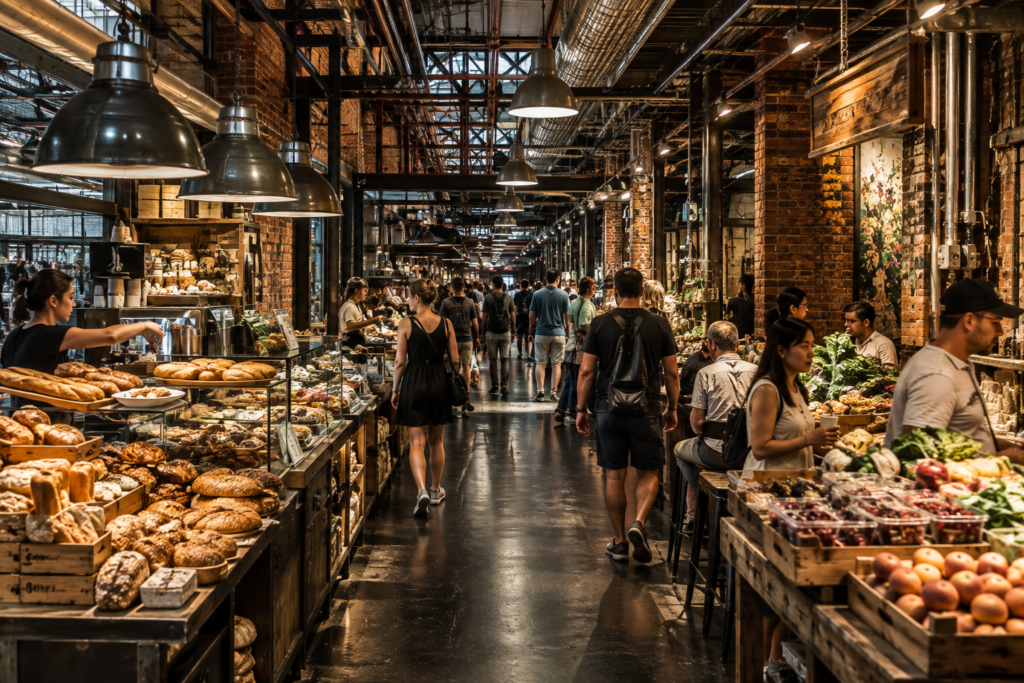
Food markets have also become an increasingly popular attraction. Places like Chelsea Market offer visitors the chance to sample artisan cheeses, handmade pastries, gourmet sandwiches, international street food and freshly roasted coffee all under one roof. Exploring these bustling markets provides a wonderful introduction to the city’s vibrant culinary scene while supporting independent businesses and local producers.
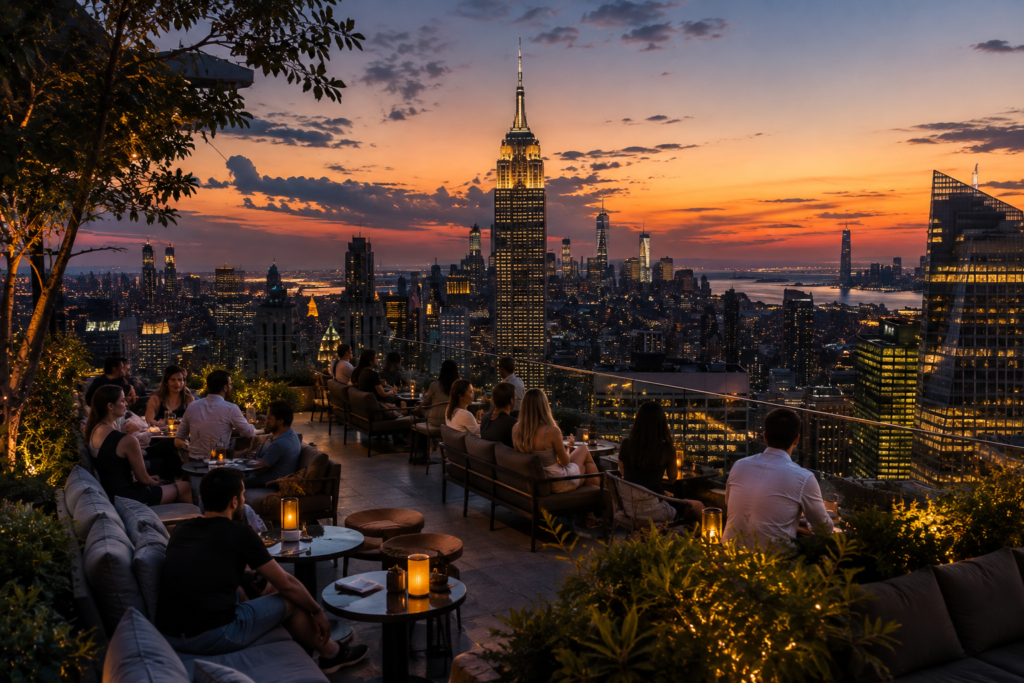
As evening approaches, New York transforms into one of the world’s great dining destinations. Rooftop restaurants overlook illuminated skyscrapers, hidden cocktail bars operate behind unmarked doors and neighbourhood restaurants fill with both locals and visitors enjoying everything from Korean barbecue to authentic Mexican tacos. Every meal becomes another reminder that New York’s greatest strength lies in its diversity.
Hidden Gems Most Tourists Miss
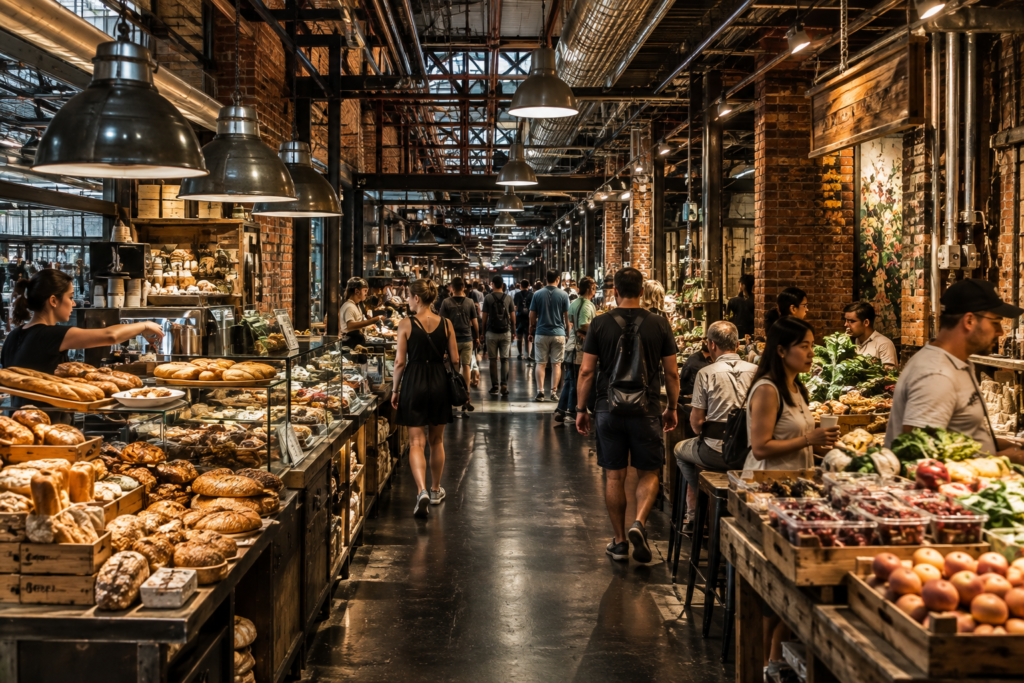
While famous attractions deserve their place on every itinerary, some of New York’s most memorable experiences are found far from the busiest tourist crowds.
One such place is the High Line, an elevated park built on a former railway line running through Manhattan’s West Side. Beautifully landscaped gardens, public art installations and sweeping city views transform what was once abandoned infrastructure into one of New York’s most innovative public spaces. Walking the High Line during the early morning provides a peaceful contrast to the city’s energetic streets below.
Another favourite among locals is Roosevelt Island. A short aerial tram ride across the East River offers spectacular views of Manhattan before arriving on a quiet island where waterfront promenades, parks and historic buildings provide a completely different perspective of New York. Many visitors are surprised that such a peaceful destination exists only minutes from Midtown.
Book lovers should make time to visit the magnificent New York Public Library. Beyond its famous marble lions and grand architecture lies one of the world’s most beautiful reading rooms, where visitors are welcome to quietly admire the remarkable interior. Nearby Bryant Park provides another hidden oasis, particularly during summer when locals gather to read, play chess or enjoy outdoor performances.
The city’s rooftop gardens, independent bookstores and neighbourhood cafés also reward those willing to wander beyond the major attractions. Some of New York’s best experiences are discovered not through detailed itineraries but by allowing yourself to explore without a strict schedule.
Experiencing New York Like a Local
While ticking famous landmarks off your bucket list is exciting, slowing down occasionally allows you to appreciate the city from a completely different perspective.
Start your morning early. Before commuters fill the sidewalks, neighbourhoods such as SoHo, Greenwich Village and the Upper West Side become remarkably peaceful. Local cafés begin serving freshly brewed coffee, dog walkers stroll through quiet streets and the city feels surprisingly calm. Watching New York wake up offers an experience many visitors never see.
Rather than eating every meal in tourist areas, venture into residential neighbourhoods where restaurants primarily serve locals. Not only will you often find better value, but you’ll also experience authentic cuisine prepared by chefs who have built loyal neighbourhood followings over many years.
Spend an afternoon simply wandering without a destination. Some of the city’s greatest discoveries happen unexpectedly—a colourful mural hidden down an alleyway, an independent record store, a charming courtyard or a tiny bakery producing exceptional pastries. New York rewards curiosity more than almost any other destination.
Finally, don’t underestimate the joy of sitting in one of the city’s many parks. Whether it’s Central Park, Washington Square Park or Brooklyn Bridge Park, spending an hour simply observing everyday life often becomes one of the most memorable parts of any visit.
Budgeting for Your New York Adventure
New York has a reputation for being expensive, but with thoughtful planning it’s entirely possible to experience the city without overspending.
Accommodation typically represents the largest expense, so booking well in advance often provides the best value. Travelling outside major holiday periods can also significantly reduce hotel prices while offering a more relaxed sightseeing experience.
Public transport is another excellent way to save money. The subway system connects almost every major attraction quickly and efficiently, making taxis largely unnecessary for most visitors. Walking between nearby attractions also allows you to discover countless hidden gems while avoiding transport costs.
Food budgets can vary dramatically depending on your choices. While New York is home to some of the world’s finest restaurants, delicious meals can also be found at food trucks, local delis, neighbourhood diners and international food markets. Many travellers discover that some of their favourite meals come from small family-run businesses rather than expensive restaurants.
Several of New York’s greatest attractions are also completely free. Walking across the Brooklyn Bridge, exploring Central Park, visiting the High Line, riding the Staten Island Ferry and wandering many neighbourhoods cost nothing yet provide unforgettable experiences.
Photographing New York City
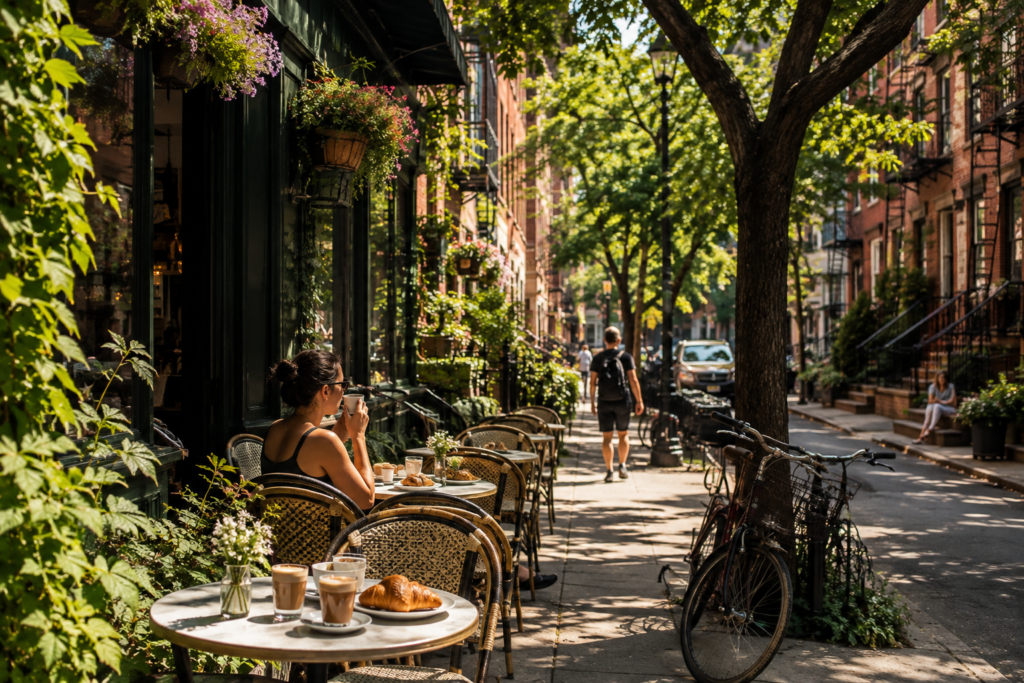
Few cities are as photogenic as New York. Every season, every neighbourhood and every time of day offers unique photographic opportunities.
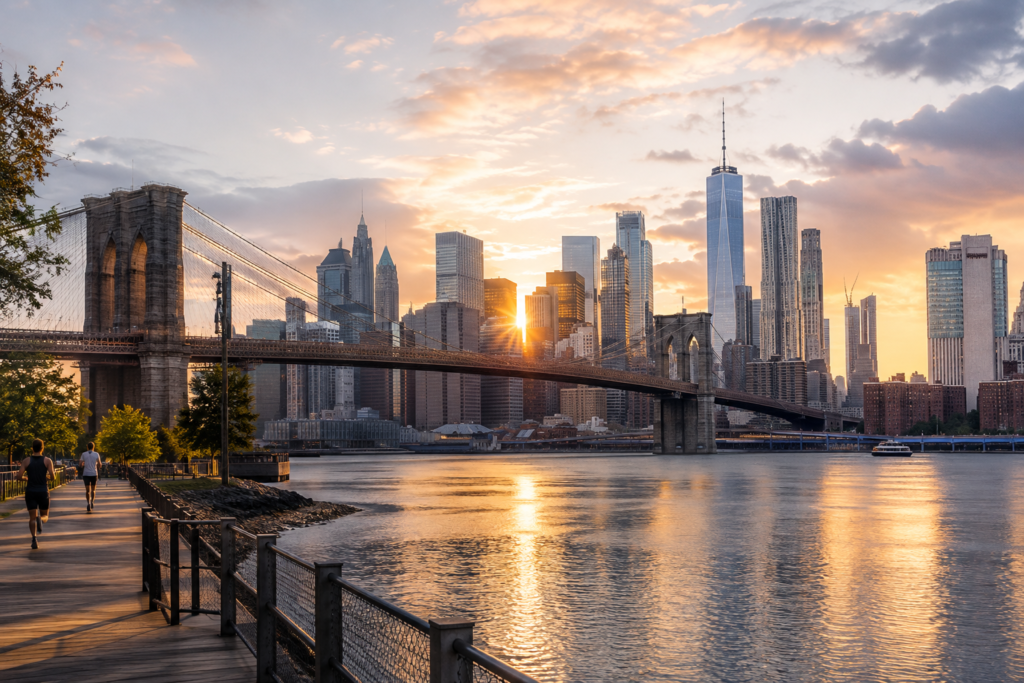
Sunrise is particularly magical. As the first light reflects from Manhattan’s skyscrapers, locations such as Brooklyn Bridge Park and DUMBO provide breathtaking skyline views without the crowds that arrive later in the day.
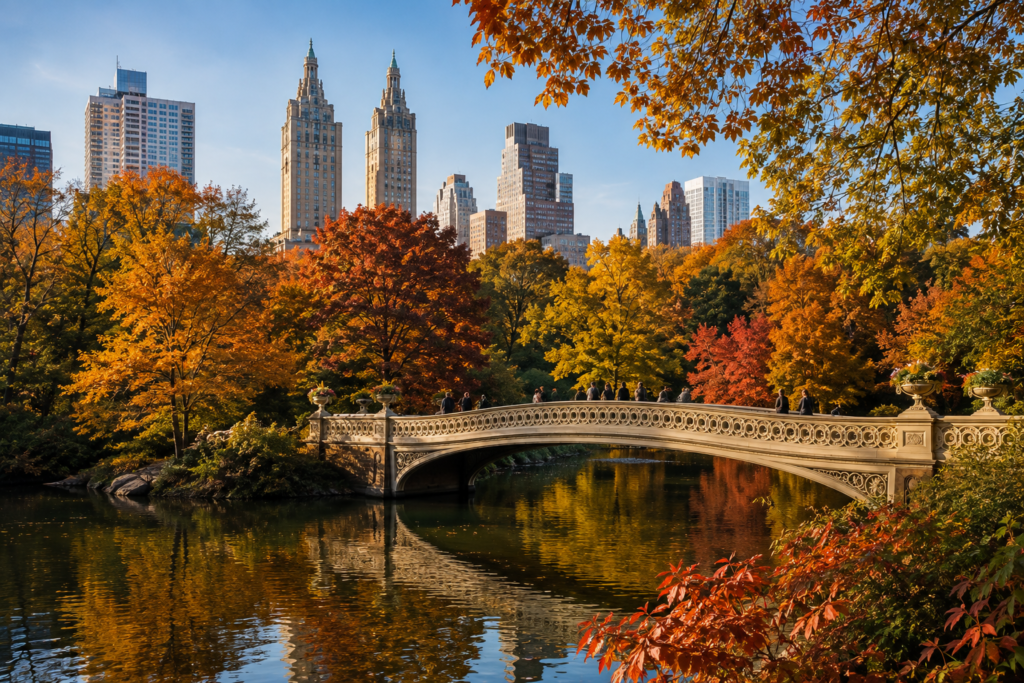
Golden hour transforms Central Park into a dreamlike landscape as warm sunlight filters through towering trees and historic bridges. During autumn, colourful foliage creates spectacular scenes that attract photographers from around the world.
After dark, the city takes on an entirely different character. Neon lights illuminate Times Square, reflections shimmer across the East River and illuminated skyscrapers create one of the world’s most recognisable skylines. Long-exposure photography from waterfront locations produces unforgettable images showcasing New York at its most iconic.
Don’t forget to occasionally put your camera away. While New York offers endless photographic opportunities, some of the city’s greatest moments are best experienced simply by being present.
Five Travel Essentials for Your New York Trip
If you’re planning a visit to New York City, these travel essentials can make your journey more comfortable and enjoyable:
- Anker PowerCore 20,000mAh Portable Power Bank
- JBL Live Beam 3 Noise Cancelling Earbuds
- BAGSMART Travel Electronics Organiser
- Amazon Kindle Paperwhite
- Samsonite Omni PC Hardside Carry-On Suitcase
Final Thoughts
New York City has earned its reputation as one of the world’s most iconic destinations for good reason. It offers an extraordinary blend of history, innovation, culture and diversity that few cities can match. Every neighbourhood tells a different story, every street corner offers something unexpected and every visit reveals new experiences waiting to be discovered.
Whether you’re admiring world-famous landmarks, discovering hidden cafés, enjoying a Broadway performance or simply watching the city come alive from a park bench, New York has a remarkable ability to inspire curiosity and wonder. It is a city that rewards both careful planning and spontaneous exploration.
As you continue planning your adventure, remember that the best memories often come from slowing down, wandering without a map and embracing the city’s endless energy. New York is far more than a collection of attractions—it is an experience that stays with you long after your journey ends.
The Perfect Four-Day New York City Itinerary
One of the biggest challenges when visiting New York City is deciding what to see first. The city is so full of world-famous landmarks, hidden neighbourhoods and unforgettable experiences that even a week can feel too short. Rather than trying to squeeze everything into a rushed schedule, this itinerary has been designed to balance iconic attractions with authentic local experiences, allowing you to experience both the famous and lesser-known sides of the city.
Whether you’re visiting for the first time or returning to discover something new, these four days provide a fantastic introduction to the energy, history and culture that make New York one of the world’s most exciting destinations.
Day One: Discover the Heart of Manhattan
There’s no better place to begin than Midtown Manhattan, where many of New York’s most recognisable landmarks are located. Start your morning early at Bryant Park with a coffee and fresh pastry while the city slowly wakes around you. Office workers begin filling the surrounding streets, the New York Public Library opens its famous marble doors and the atmosphere feels surprisingly peaceful before the crowds arrive.
From Bryant Park, take a short walk to the Empire State Building. Arriving early not only helps you avoid long queues but also rewards you with spectacular morning views across Manhattan. Looking out over Central Park, the Hudson River and countless skyscrapers offers an incredible introduction to the scale of New York City.
Continue north along Fifth Avenue, one of the world’s most famous shopping streets. Even if luxury shopping isn’t on your itinerary, wandering past the beautifully designed storefronts and historic architecture is an experience in itself. Along the way, you’ll pass St. Patrick’s Cathedral, an architectural masterpiece that provides a striking contrast to the surrounding modern skyscrapers.
Spend the afternoon exploring Central Park. Covering more than 340 hectares, it’s impossible to see everything in one visit, but walking through Bethesda Terrace, Bow Bridge, The Mall and Sheep Meadow provides an excellent introduction to this iconic green space. Street musicians, artists and performers add to the atmosphere, creating scenes that feel unmistakably New York.
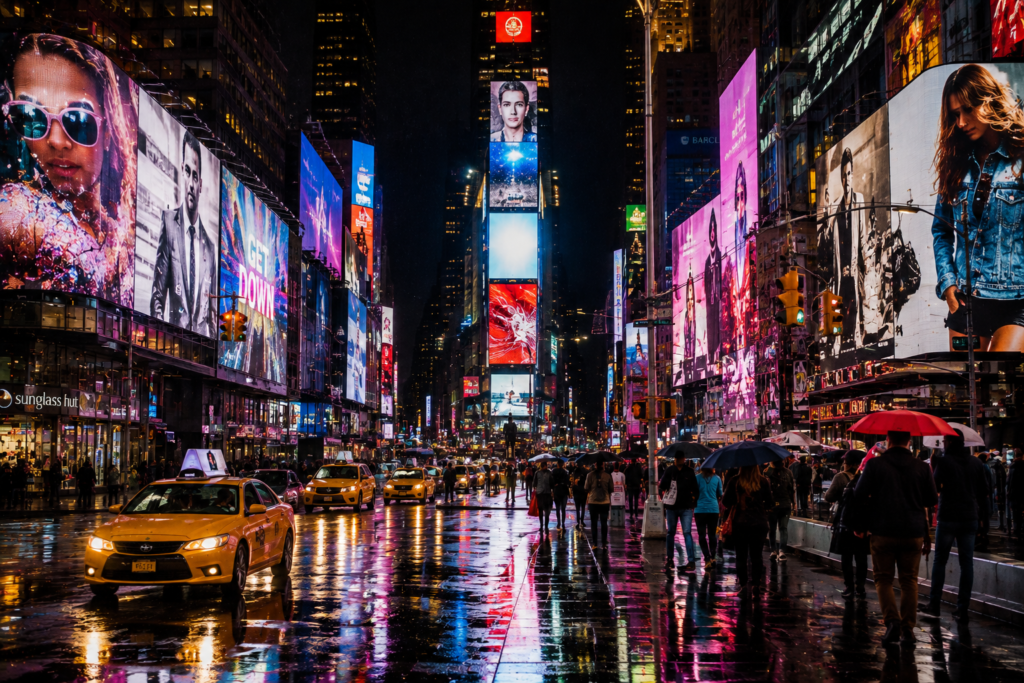
As evening approaches, head towards Times Square. While busy throughout the day, it truly comes alive after sunset when thousands of illuminated billboards transform the area into one of the brightest places on Earth. End your first day with a Broadway show if time allows—it’s an unforgettable experience that captures the creative spirit of the city.
Day Two: Lower Manhattan and Brooklyn
Begin your second day by heading south to Battery Park. From here, ferries depart for one of America’s most enduring symbols—the Statue of Liberty. Standing beneath Lady Liberty provides a powerful reminder of New York’s history as a gateway for millions of immigrants seeking new opportunities.
Nearby Ellis Island offers fascinating insights into the stories of those who passed through its immigration halls. Together, these landmarks provide a deeper understanding of the city’s multicultural identity.
After returning to Manhattan, spend time exploring the Financial District. Wall Street, the New York Stock Exchange and the famous Charging Bull represent the city’s role as one of the world’s financial capitals. Just a short walk away, the 9/11 Memorial offers a moving and beautifully designed space dedicated to remembering those who lost their lives during the events of September 11, 2001.
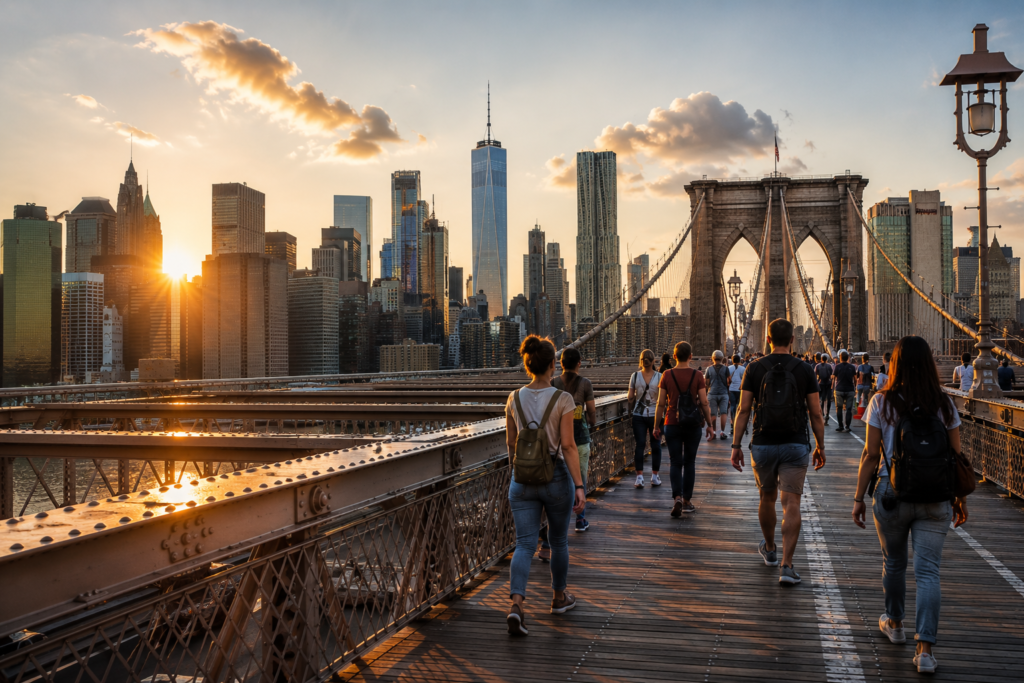
In the afternoon, cross the Brooklyn Bridge on foot. This historic suspension bridge has become one of New York’s most photographed landmarks, and the walk itself offers incredible skyline views in every direction. Take your time, stop for photographs and appreciate the remarkable engineering that has connected Manhattan and Brooklyn for more than a century.
Once across the bridge, explore DUMBO—short for Down Under the Manhattan Bridge Overpass. This former industrial neighbourhood has transformed into one of Brooklyn’s trendiest districts, filled with cafés, art galleries, boutique stores and waterfront parks. The famous Washington Street viewpoint, framed perfectly by the Manhattan Bridge with the Empire State Building in the distance, is one of the city’s most iconic photo locations.
Finish your day at Brooklyn Bridge Park, where the Manhattan skyline glows beautifully as the sun sets behind the skyscrapers. Watching the city lights reflect across the East River is an experience you’ll remember long after your holiday ends.
Day Three: Culture, Creativity and Local Neighbourhoods
Today’s itinerary focuses on experiencing the New York that many visitors overlook. Begin your morning in Greenwich Village, one of Manhattan’s most charming neighbourhoods. Tree-lined streets, historic brownstones and independent cafés create a relaxed atmosphere that feels worlds away from Midtown’s towering skyscrapers.
Washington Square Park serves as the neighbourhood’s social heart. Musicians perform beneath the famous arch, artists display their work and local residents gather to play chess or simply enjoy the sunshine. Spending time here provides a wonderful glimpse into everyday life in New York.
Continue into SoHo, where beautifully preserved cast-iron buildings now house designer boutiques, independent fashion stores, galleries and coffee shops. Even if shopping isn’t your priority, simply wandering these streets is an experience worth savouring.
For lunch, explore Chelsea Market, one of the city’s best destinations for food lovers. Housed inside a former factory, the market features an incredible collection of local vendors serving everything from gourmet tacos and handmade pasta to artisan doughnuts and specialty coffee. Rather than rushing through, take time to sample different flavours while soaking up the lively atmosphere.
After lunch, walk the High Line, an elevated park built on a disused railway line. Carefully landscaped gardens, public art installations and panoramic city views make this one of New York’s most innovative public spaces. Every season transforms the High Line into something new, whether colourful spring flowers, lush summer greenery or vibrant autumn foliage.
End the day in Hudson Yards, home to striking modern architecture and one of the city’s newest observation experiences. As darkness falls, watching the skyline sparkle from above offers a spectacular conclusion to another unforgettable day.
Day Four: Beyond the Tourist Trail
Your final day is an opportunity to explore at a slower pace while discovering neighbourhoods that showcase New York’s incredible diversity.
Start by taking the Roosevelt Island Tramway from Manhattan. Floating high above the East River, this short journey offers breathtaking aerial views of the skyline before arriving on one of the city’s quietest islands. Waterfront promenades, historic buildings and peaceful parks make Roosevelt Island feel surprisingly removed from Manhattan despite being only minutes away.
Next, venture into Williamsburg, Brooklyn. Over the past decade, this once-industrial neighbourhood has evolved into one of New York’s creative hubs. Independent bookstores, vintage clothing stores, artisan bakeries, craft breweries and colourful street art line almost every block.
Spend your afternoon browsing local boutiques, enjoying lunch at a neighbourhood café and relaxing in Domino Park, where former industrial infrastructure has been beautifully integrated into a vibrant public space overlooking Manhattan.
As your trip draws to a close, consider taking a sunset cruise around New York Harbor. Watching the skyline gradually illuminate while sailing past the Statue of Liberty creates an unforgettable farewell to one of the world’s most iconic cities.
Best Rooftop Views in New York City
Few experiences compare to seeing Manhattan from above. While observation decks provide spectacular panoramic views, rooftop bars combine incredible scenery with an unforgettable atmosphere.
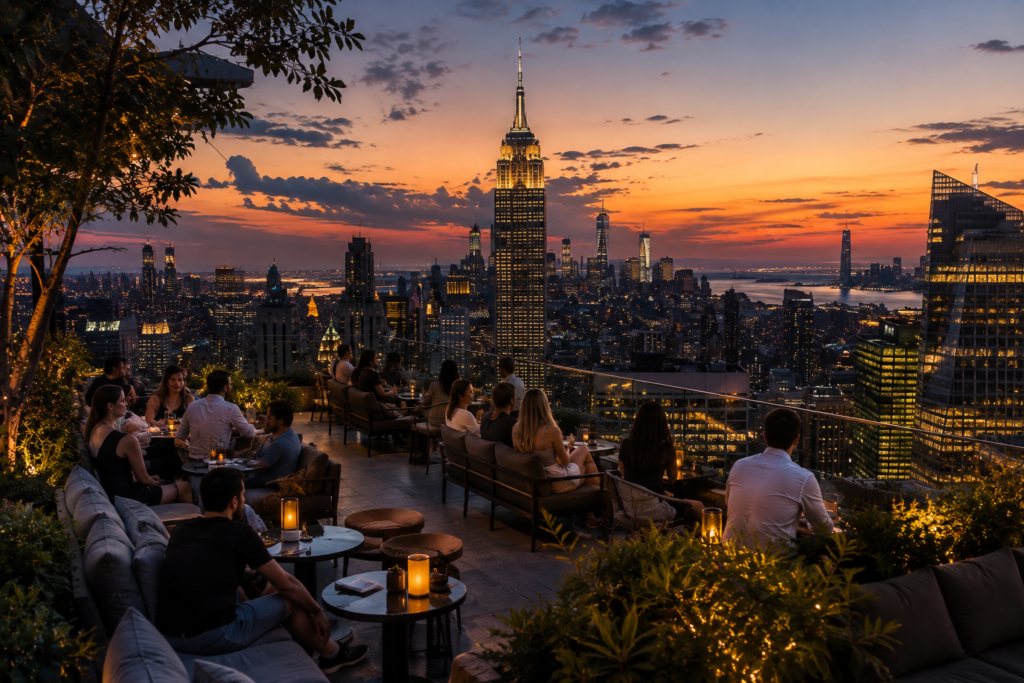
Many rooftops offer sweeping views of the Empire State Building, Chrysler Building and Hudson River while serving expertly crafted cocktails and locally inspired cuisine. Arriving shortly before sunset allows you to witness the city transform from daylight into a glittering sea of lights.
Even if you only visit one rooftop during your trip, it’s an experience that perfectly captures New York’s unique energy and sophistication.
Incredible Day Trips from New York City
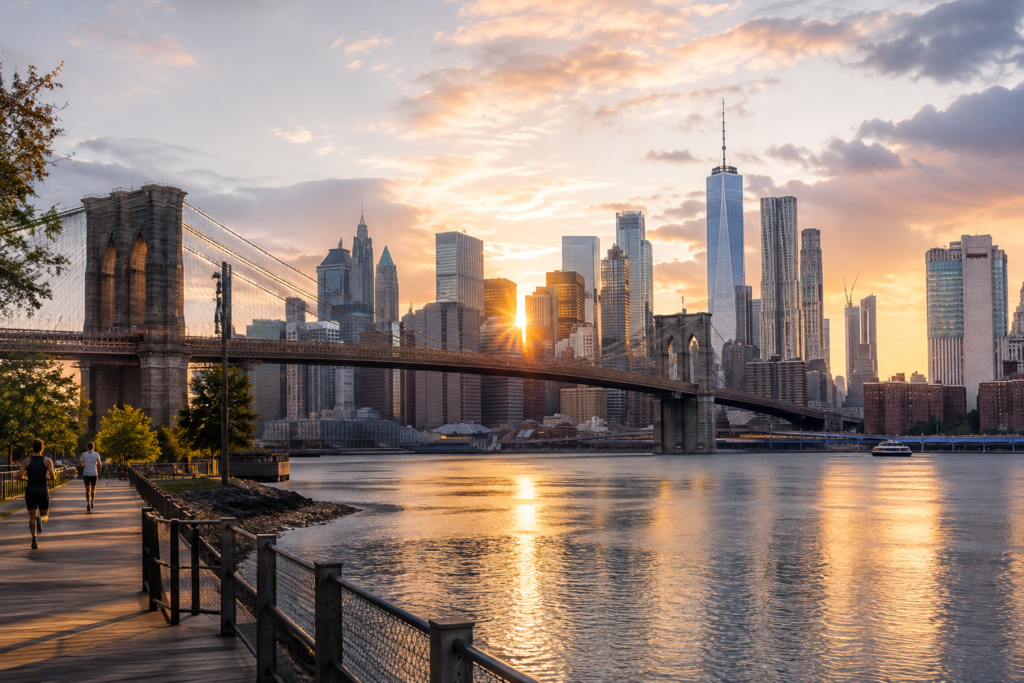
Although New York offers enough attractions to fill weeks of exploration, several remarkable destinations lie within easy reach.
The Hudson Valley provides beautiful wineries, charming small towns and scenic hiking trails only a short train ride from Manhattan. During autumn, colourful forests make this one of the region’s most spectacular escapes.
The Hamptons offer beautiful beaches, coastal villages and elegant seaside homes that provide a completely different perspective of New York State. Visiting outside peak summer allows travellers to enjoy a more relaxed atmosphere.
Nature lovers may also enjoy Bear Mountain State Park, where hiking trails, lakes and panoramic viewpoints provide a refreshing break from city life.
Shopping Beyond Fifth Avenue
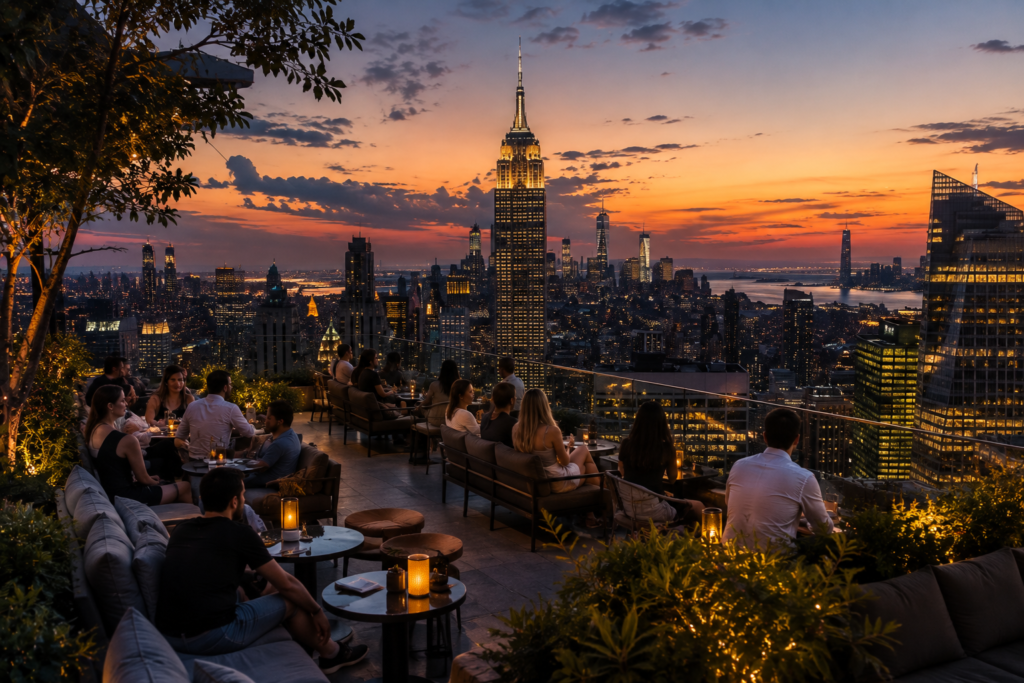
While Fifth Avenue remains one of the world’s most famous shopping destinations, New York offers countless alternatives for visitors seeking something unique.
SoHo combines international designer brands with independent fashion labels, while Williamsburg specialises in vintage clothing, handmade jewellery and locally produced homewares.
Chelsea Market is perfect for artisan gifts and gourmet food products, while neighbourhood bookstores, independent record stores and weekend markets provide memorable souvenirs that reflect New York’s creative culture far better than traditional tourist shops.
Shopping in these local neighbourhoods not only supports small businesses but also creates a more authentic travel experience.
Seasonal Events Worth Planning Your Trip Around
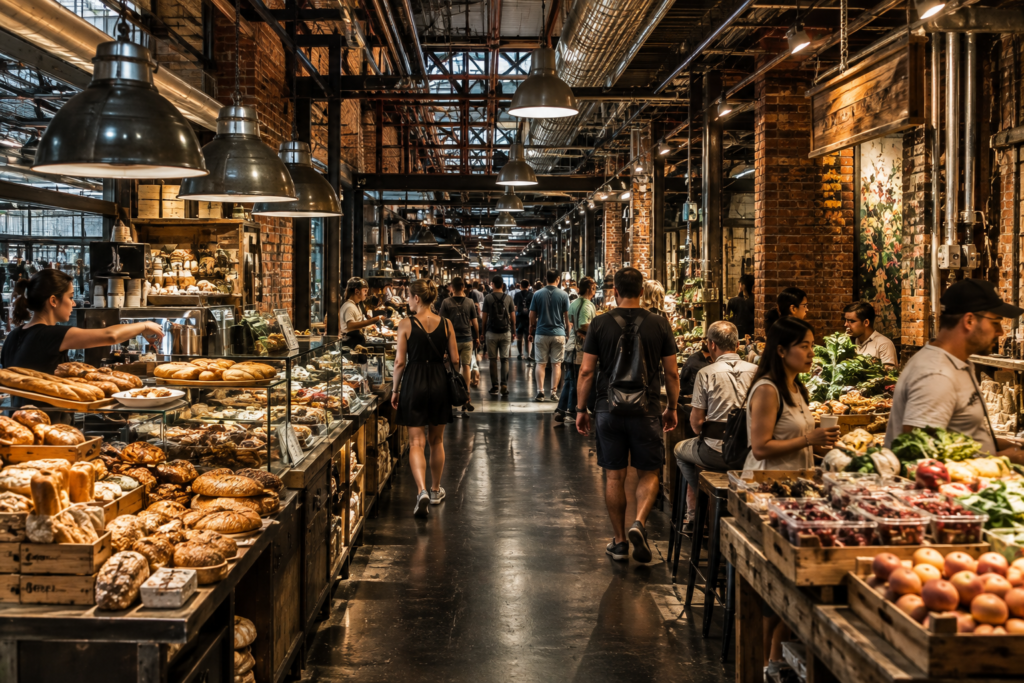
One of the reasons New York City remains one of the world’s most exciting destinations is that there’s always something happening. Every season brings a completely different atmosphere, giving travellers new reasons to visit throughout the year.
Spring welcomes colourful cherry blossoms to Central Park and the Brooklyn Botanic Garden, while outdoor cafés begin filling with locals enjoying warmer weather. Summer transforms the city into one giant outdoor festival, with rooftop cinemas, waterfront concerts, baseball games, food festivals and open-air performances taking place across all five boroughs.
Autumn is perhaps New York’s most photogenic season. Central Park becomes a sea of orange, gold and crimson, creating spectacular scenery for photographers and nature lovers alike. Comfortable temperatures also make it one of the best times for walking tours and neighbourhood exploration.
Winter delivers the classic New York experience many travellers dream about. Ice skating beneath the Rockefeller Center Christmas Tree, festive markets, elaborate department store window displays and snow-covered parks create an atmosphere unlike anywhere else in the world. If you’re hoping for a magical Christmas holiday, New York should be high on your bucket list.
Family-Friendly Experiences
Although New York is often associated with business travellers and couples, it’s also an outstanding destination for families.
The American Museum of Natural History continues to fascinate visitors of all ages with its dinosaur skeletons, space exhibits and interactive displays. Children can easily spend an entire day exploring the museum’s incredible collections.
Central Park offers playgrounds, rowing boats, cycling paths, horse-drawn carriages and the famous Central Park Zoo, while the nearby Children’s Museum of Manhattan provides hands-on educational experiences designed specifically for younger visitors.
A ferry ride to the Statue of Liberty, watching the lights of Times Square or attending a Broadway production designed for families creates lifelong memories for children experiencing New York for the first time.
New York After Dark
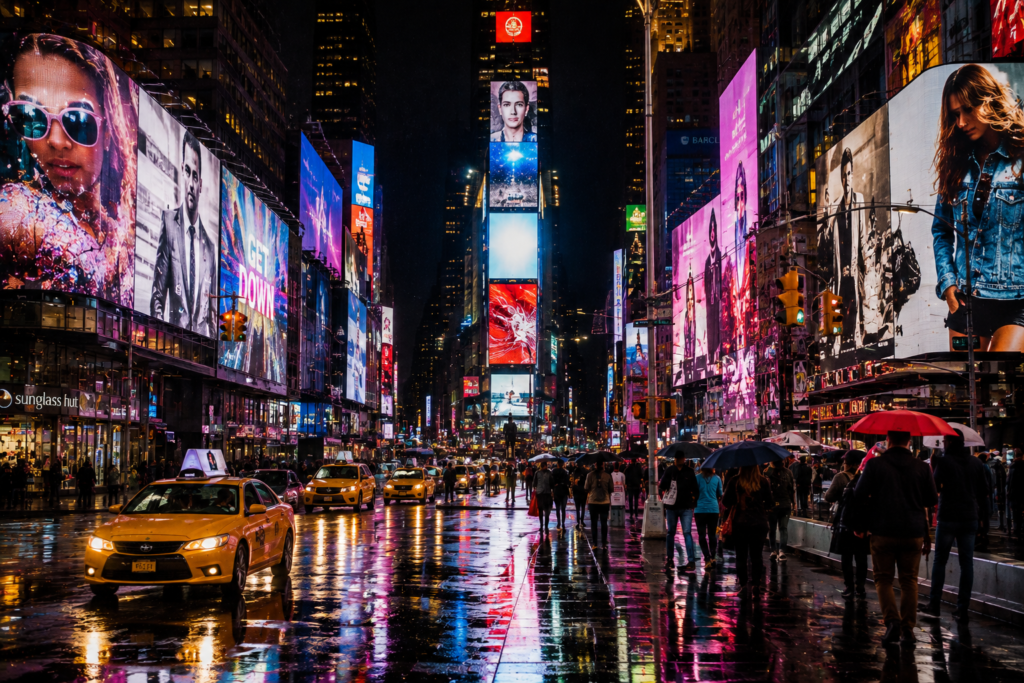
As the sun disappears behind Manhattan’s skyline, the city takes on an entirely different personality. Illuminated skyscrapers reflect across the Hudson and East Rivers, Broadway theatres fill with audiences and rooftop bars begin welcoming guests eager to watch the skyline sparkle.
If you’re looking for a relaxed evening, enjoy dinner in Greenwich Village before taking a leisurely stroll through Washington Square Park. For something more energetic, explore the jazz clubs of Harlem, comedy venues in Greenwich Village or live music performances throughout Brooklyn.
Times Square becomes particularly impressive after dark, when its enormous digital billboards create one of the brightest urban landscapes anywhere in the world. While busy, experiencing its energy at least once is an essential part of any New York itinerary.
Sustainable Travel in New York City
Travelling responsibly helps preserve the places we love while supporting local communities.
Fortunately, New York is one of the easiest cities in the world to explore sustainably. Walking remains one of the best ways to discover neighbourhoods, while the extensive subway system reduces the need for taxis or rental cars.
Supporting local cafés, independent bookstores, neighbourhood restaurants and artisan markets helps strengthen local businesses and provides a more authentic travel experience.
Carrying a reusable drink bottle, reusable shopping bag and minimising single-use plastics are small actions that collectively make a meaningful difference.
Responsible tourism isn’t just about protecting the environment—it’s also about respecting local communities, embracing different cultures and leaving destinations better than we found them.
Practical Travel Tips
A little preparation can make your New York adventure much smoother.
Wear comfortable walking shoes because you’ll likely cover many kilometres each day exploring the city.
Download offline maps before leaving your accommodation, particularly if you’re planning to explore unfamiliar neighbourhoods.
If you’re visiting popular attractions, purchasing tickets online in advance often saves significant time waiting in queues.
Allow flexibility in your itinerary. Some of New York’s most memorable experiences happen unexpectedly—discovering a hidden jazz performance, finding a local food market or watching a spectacular sunset from a waterfront park.
Finally, don’t try to see everything in one visit. New York rewards slower exploration far more than rushing from attraction to attraction.
Frequently Asked Questions
How many days should I spend in New York City?
Four to five days provides enough time to experience many of the city’s major attractions while also exploring a few neighbourhoods beyond Midtown Manhattan. If you enjoy museums, shopping or photography, a week allows for a much more relaxed pace.
Is New York expensive?
It can be, but costs vary depending on your travel style. Accommodation is generally the largest expense, while food options range from inexpensive street vendors and neighbourhood delis to world-famous fine dining restaurants.
Is public transport easy to use?
Yes. New York’s subway system is one of the most comprehensive in the world and connects almost every major attraction quickly and efficiently. Walking is also one of the best ways to experience the city.
Is New York safe for tourists?
Millions of visitors explore New York every year without issue. Like any major city, remaining aware of your surroundings, keeping valuables secure and avoiding poorly lit areas late at night are sensible precautions.
What’s the best observation deck?
Each offers something different. The Empire State Building provides a classic New York experience, Top of the Rock offers incredible Central Park views, One World Observatory overlooks Lower Manhattan, while SUMMIT One Vanderbilt combines panoramic views with immersive modern design.
Five More Travel Essentials
These products can help make your New York City adventure even more comfortable.
- Osprey Daylite Daypack
- Apple AirTag
- Hydro Flask Stainless Steel Water Bottle
- DJI Osmo Mobile 7 Smartphone Gimbal
- Moleskine Classic Travel Journal
Share Your Adventure
One of the best parts of travelling is inspiring others to explore the world. Whether you’re photographing sunrise over the Brooklyn Bridge, enjoying a quiet morning coffee in SoHo or watching the skyline from a rooftop, every experience tells a story worth sharing.
Tag your favourite destinations, support local businesses and encourage responsible travel through your content. Every photograph, blog post or social media update has the potential to inspire someone else to begin their own journey.
At Natural Universe Co., we believe travel is about more than visiting famous landmarks. It’s about discovering new cultures, embracing different perspectives and creating memories that last a lifetime.
Final Thoughts
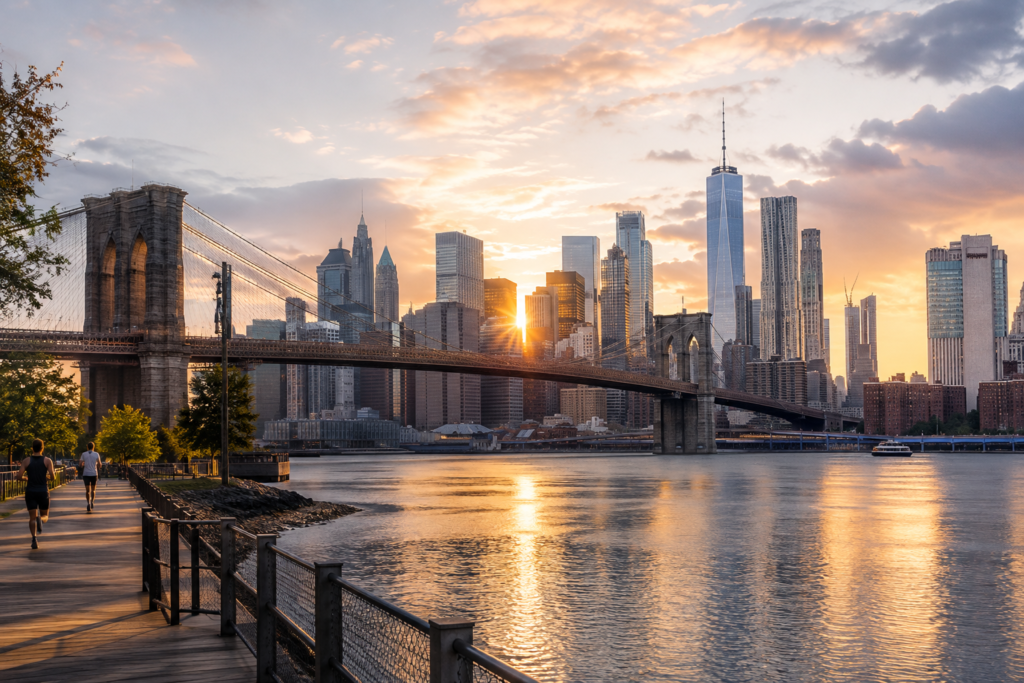
New York City is far more than a destination—it is an experience that leaves a lasting impression on everyone who visits. From its world-famous skyline and iconic landmarks to its quiet neighbourhood cafés and hidden parks, every corner of the city offers something unique.
Whether you’re travelling for the first time or returning for another adventure, New York has an incredible ability to surprise you. One day you may be standing beneath the bright lights of Times Square, and the next you could be enjoying a peaceful sunrise overlooking the East River with hardly another person around.
The city’s diversity is perhaps its greatest strength. Every neighbourhood tells a different story, every meal introduces you to another culture and every walk reveals something unexpected. That constant sense of discovery is what keeps travellers returning again and again.
As you begin planning your own adventure, remember that the best experiences rarely come from rushing between attractions. Slow down, wander without a destination, talk to locals, try unfamiliar foods and allow yourself to become part of the city’s rhythm. Some of your favourite memories may come from the moments you never planned.
Whether New York is your first international destination or one stop on a much larger journey, it promises unforgettable experiences, incredible photography opportunities and stories you’ll be sharing for years to come.
Thank you for exploring New York City with Natural Universe Co. We hope this guide inspires you to experience the city with curiosity, confidence and a spirit of adventure.
Safe travels—we’ll see you in the next destination.
-
Thailand Digital Nomad Guide (2026): The Ultimate Guide to Living and Working Remotely in the Land of Smiles
Picture yourself finishing a productive morning of work from a modern café overlooking the turquoise waters of the Andaman Sea. By lunchtime you’ve enjoyed a freshly cooked plate of authentic Pad Thai from a local street vendor, and after closing your laptop for the day you’re exploring colourful night markets or watching the sun disappear behind a tropical island. For thousands of digital nomads, this isn’t a dream holiday—it’s simply everyday life in Thailand.
Over the past decade, Thailand has transformed into one of the world’s leading destinations for remote workers, freelancers, entrepreneurs and online business owners. As flexible work becomes more common across almost every industry, more people are choosing to swap expensive cities and long commutes for destinations that offer a better quality of life without sacrificing productivity. Thailand consistently ranks near the top of those lists, combining modern infrastructure with stunning natural landscapes, affordable living costs and one of the friendliest cultures in Southeast Asia.
Whether you’re launching an online business, freelancing from your laptop, managing clients from another country or working remotely for an international company, Thailand offers an environment that makes balancing work and travel easier than almost anywhere else in the world. Fast internet, modern coworking spaces, affordable accommodation and excellent transport networks mean you can remain productive while experiencing a lifestyle that many people only enjoy during annual holidays.
This guide has been created to help you understand exactly what it’s like to live and work remotely in Thailand during 2026. We’ll explore the country’s best digital nomad cities, visa considerations, accommodation options, internet reliability, healthcare, budgeting, transport, and practical tips to help you settle into your new lifestyle. Whether you’re planning to stay for a few weeks, several months or even longer, this guide will give you the information you need to confidently start your journey.
Why Thailand Is So Popular with Digital Nomads in 2026
The rise of remote work has fundamentally changed the way people think about their careers. Rather than living close to an office, millions of professionals now have the freedom to work from almost anywhere with a reliable internet connection. This shift has created an entirely new generation of travellers who aren’t simply looking for somewhere to holiday—they’re searching for places where they can build a sustainable lifestyle while continuing their careers.
Thailand has embraced this change better than almost any other destination. It offers an incredibly rare combination of affordability, convenience and adventure that appeals to people from all walks of life. A software developer might spend the morning coding from a coworking space in Chiang Mai before hiking to a nearby waterfall in the afternoon. A freelance photographer could edit client work from a beachfront café in Phuket before catching a sunset boat tour around the surrounding islands. Entrepreneurs regularly network in Bangkok’s growing startup community while still enjoying a significantly lower cost of living than many major cities around the world.
Another reason Thailand continues attracting digital nomads is the incredible diversity found throughout the country. Every region offers a completely different experience. Bustling metropolitan cities filled with skyscrapers and rooftop bars sit only a short flight away from quiet mountain villages, tropical islands, ancient temples and world-famous beaches. This variety means many remote workers choose to move around the country throughout the year, experiencing several different lifestyles without ever leaving Thailand.
The country’s hospitality also plays a significant role in its popularity. Thai culture is famous for being welcoming, respectful and friendly towards visitors. While learning a few basic Thai phrases is always appreciated, English is commonly spoken throughout tourist areas, making daily life relatively straightforward for international visitors. Ordering food, organising transport, finding accommodation and joining local activities is generally easy, particularly in destinations that have developed strong digital nomad communities.
Is Thailand the Right Destination for You?
While Thailand is often described as one of the best countries in the world for remote work, every destination suits different personalities and lifestyles. Before booking your flights, it’s worth considering whether the country aligns with your own working habits and travel goals.
If you enjoy warm weather, outdoor adventures and the opportunity to experience a completely different culture, Thailand is likely to exceed your expectations. The country offers incredible opportunities to explore national parks, tropical islands, waterfalls, historic temples and vibrant cities, all while maintaining a full-time career online. Many remote workers find that the improved work-life balance leads to greater productivity and reduced stress compared to living in expensive metropolitan areas back home.
The affordability of everyday life is another major attraction. Accommodation, food and domestic travel often cost considerably less than in many Western countries, allowing many digital nomads to save money while simultaneously enjoying a higher quality of life. Instead of spending most of your income on rent and transport, it’s possible to invest more in experiences, business growth or future travel.
That said, adapting to life in another country always comes with challenges. The tropical climate can take time to adjust to, particularly during the hotter months when temperatures regularly exceed 35 degrees Celsius. Cultural differences, language barriers and occasional bureaucracy can also require patience. However, most digital nomads agree that these minor inconveniences are far outweighed by the lifestyle benefits Thailand provides.
Finding the Perfect Place to Stay
One of the biggest advantages of living in Thailand as a digital nomad is the incredible variety of accommodation available. Whether you’re looking for a modern apartment in the heart of Bangkok, a peaceful villa surrounded by mountains in Chiang Mai, or a beachfront condo in Phuket, there are options to suit almost every lifestyle and budget.
Many remote workers begin their journey by booking a hotel or serviced apartment for the first week or two. This gives you time to explore different neighbourhoods before committing to a longer-term rental. Walking around an area during both the day and evening can help you get a feel for noise levels, nearby cafés, grocery stores, public transport and the overall atmosphere.
If you’re planning to stay for several months, renting directly from a property manager or apartment complex often provides better value than short-term holiday accommodation. Many buildings popular with digital nomads include swimming pools, gyms, secure access, high-speed internet and dedicated workspaces. Having these amenities within walking distance can make a significant difference to your daily routine, especially if you’re balancing work with exploring your new surroundings.
Another factor worth considering is proximity to coworking spaces. Even if you mostly work from home, having a professional workspace nearby can be invaluable when you need a quiet environment for meetings, networking events or simply a change of scenery.
Coworking Spaces That Inspire Productivity
Thailand has embraced the global remote work movement, and coworking spaces have become an essential part of the country’s digital nomad culture. You’ll find everything from boutique creative studios with artisan coffee to multi-level business hubs equipped with meeting rooms, podcast studios and event spaces.
Many coworking spaces organise weekly networking sessions, workshops and social gatherings, making them excellent places to meet fellow entrepreneurs, freelancers and remote employees from around the world. These events often lead to collaborations, friendships and even new business opportunities.
Working from a coworking space also provides structure to your day. Instead of feeling isolated in your apartment, you’ll be surrounded by people who understand the challenges and rewards of remote work. For many digital nomads, this sense of community is one of the reasons they continue returning to Thailand year after year.
If coworking spaces aren’t your style, Thailand’s café culture offers another excellent alternative. Many cafés welcome customers working on laptops for extended periods and provide reliable Wi-Fi, comfortable seating and excellent coffee. It’s common to see designers editing photos, developers writing code and writers drafting articles while enjoying the relaxed atmosphere.
Getting Around Thailand
Thailand’s transport network makes it remarkably easy to explore the country while maintaining a full-time job. In Bangkok, modern public transport systems help you avoid traffic, while ride-share services are widely available for shorter trips.
Domestic flights connect major cities and islands in just a few hours, making weekend adventures incredibly convenient. Imagine finishing work on Friday afternoon in Bangkok and arriving on a tropical island before sunset. This flexibility allows digital nomads to experience much more of the country than traditional holidaymakers.
Scooters are another popular mode of transport, particularly in Chiang Mai, Phuket and Koh Samui. They offer the freedom to explore at your own pace, discover hidden beaches and visit smaller towns that public transport doesn’t always reach. However, safety should always come first. If you choose to ride a scooter, ensure you have the appropriate licence, insurance and protective equipment, and always follow local road rules.
For longer journeys, Thailand’s train network offers a scenic alternative to flying. Overnight trains between Bangkok and northern Thailand are particularly popular, allowing travellers to save on accommodation while experiencing a unique side of the country.
Healthcare and Travel Insurance
One of Thailand’s greatest strengths is its healthcare system. The country is internationally recognised for its high-quality private hospitals, many of which provide excellent medical care at prices significantly lower than those found in many Western countries.
Major cities such as Bangkok, Chiang Mai and Phuket are home to internationally accredited hospitals with English-speaking staff, modern facilities and highly trained specialists. This reputation has also made Thailand a leading destination for medical tourism.
Despite the quality of healthcare, comprehensive travel insurance remains essential. Unexpected illnesses, accidents or cancelled travel plans can quickly become expensive without adequate coverage. Before departing, ensure your policy includes medical treatment, emergency evacuation, trip interruptions and protection for expensive equipment such as laptops, cameras and mobile phones.
Digital nomads often carry thousands of dollars’ worth of technology, making insurance especially important for those working while travelling.
Staying Safe While Living in Thailand
Thailand is generally considered one of the safer destinations in Southeast Asia for travellers and remote workers. Like anywhere in the world, however, exercising common sense goes a long way towards ensuring a positive experience.
Keep valuables secure, particularly in busy tourist areas, and avoid leaving laptops or cameras unattended in cafés. Be cautious when withdrawing cash from ATMs and use registered transport services whenever possible.
If you’re renting a scooter or motorbike, wear a helmet every time you ride and avoid driving if you’re unfamiliar with local traffic conditions. Road safety is one area where extra caution is always worthwhile.
Respecting local customs is equally important. Thailand places great value on politeness, respect and cultural traditions. Dressing appropriately when visiting temples, removing shoes where required and speaking respectfully with locals helps create positive interactions and demonstrates appreciation for Thai culture.
Balancing Productivity and Adventure
One of the greatest challenges facing digital nomads isn’t finding somewhere beautiful to live—it’s maintaining productivity while surrounded by endless opportunities for adventure.
Many experienced remote workers establish consistent routines that separate work from leisure. Starting each day at the same time, creating a dedicated workspace and setting clear working hours can significantly improve focus. Once work is finished, Thailand offers endless rewards for sticking to your schedule, from beach sunsets and mountain hikes to vibrant night markets and cultural festivals.
Some digital nomads choose to dedicate weekdays almost entirely to work, reserving weekends for exploring new destinations. Others adopt a slower pace, working a few hours each morning before spending afternoons discovering local attractions. There is no single approach that works for everyone, but creating boundaries between work and travel is often the key to long-term success.
Building a Community Abroad
Travelling solo doesn’t mean you’ll be alone. One of the most rewarding aspects of living in Thailand is the opportunity to meet people from every corner of the world.
Networking events, language exchanges, coworking spaces, fitness classes and volunteer opportunities all provide excellent ways to build friendships. Many cities also host regular entrepreneur meetups where remote workers share ideas, collaborate on projects and exchange practical advice about living in Thailand.
Joining these communities can make your experience significantly more enjoyable while also expanding your professional network. Many successful businesses, creative collaborations and lifelong friendships have started over coffee in a Chiang Mai coworking space or during a weekend island trip with fellow digital nomads.
Sustainable Travel in Thailand
As visitor numbers continue to grow, travelling responsibly has become more important than ever. Thailand’s natural beauty is one of its greatest assets, and protecting it ensures future generations can enjoy the same incredible experiences.
Choosing locally owned accommodation, supporting family-run restaurants and purchasing handmade products from local artisans helps keep tourism income within communities. Bringing a reusable water bottle, avoiding unnecessary plastic waste and respecting wildlife also make a positive difference.
When visiting national parks or marine environments, follow local guidelines, avoid touching coral reefs and never feed wild animals. Small actions by individual travellers collectively contribute to preserving Thailand’s remarkable biodiversity.
Five Useful Amazon Products for Digital Nomads
If you’re preparing to work remotely from Thailand, these products can make your travels more comfortable and productive:
- Anker PowerCore 20,000mAh Portable Power Bank
- Logitech MX Anywhere 3S Wireless Mouse
- BAGSMART Electronics Travel Organiser
- Amazon Kindle Paperwhite
- Universal International Travel Adapter with USB-C
Final Thoughts
Thailand continues to earn its reputation as one of the world’s premier destinations for digital nomads. Few countries offer such a compelling mix of affordability, modern infrastructure, cultural richness and breathtaking natural beauty. Whether you’re launching a new business, working remotely for an international company or simply seeking a better work-life balance, Thailand provides an environment where productivity and adventure can coexist.
The country’s diverse destinations mean there is truly something for everyone. You might thrive in Bangkok’s fast-paced business environment, find inspiration among Chiang Mai’s mountains or embrace a slower lifestyle on the beaches of Koh Samui or Phuket. No matter where you choose to base yourself, you’ll discover opportunities to grow professionally while experiencing one of the most fascinating cultures in Southeast Asia.
The most successful digital nomads approach Thailand with curiosity, respect and a willingness to adapt. Learn a few Thai phrases, support local businesses, explore beyond the major tourist attractions and immerse yourself in the country’s traditions. The rewards extend far beyond beautiful scenery—they include unforgettable friendships, valuable life experiences and a fresh perspective on what work and travel can look like.
If you’ve been dreaming about working remotely from somewhere that combines world-class food, welcoming people, reliable infrastructure and endless opportunities for adventure, 2026 could be the perfect year to make Thailand your next destination.
Safe travels, and happy exploring from all of us at Natural Universe Co.
Frequently Asked Questions
Is Thailand a good country for first-time digital nomads?
Yes. Thailand offers an excellent combination of affordable living, reliable internet, welcoming communities and modern infrastructure, making it one of the easiest countries for first-time digital nomads to settle into.
Which city is best for remote work?
It depends on your lifestyle. Bangkok suits professionals who enjoy city living and networking, Chiang Mai is popular for its relaxed atmosphere and affordability, while Phuket and Koh Samui appeal to those wanting to work close to the beach.
How much should I budget?
Your budget depends on your lifestyle and location. Travellers who eat local food, use public transport and rent modest accommodation can often live comfortably for significantly less than they would in many major cities elsewhere.
Is the internet reliable?
Yes. Most major cities offer fast fibre internet and excellent mobile coverage, making video conferencing, cloud storage and remote work straightforward.
Can I explore while working full-time?
Absolutely. One of Thailand’s biggest attractions is how easy it is to balance work with travel. Weekend island trips, mountain hikes, cultural festivals and national parks are all within easy reach from many popular digital nomad hubs.
-
Fiji Travel Guide: The Ultimate Guide to Planning Your Tropical Island Escape
Welcome to Fiji
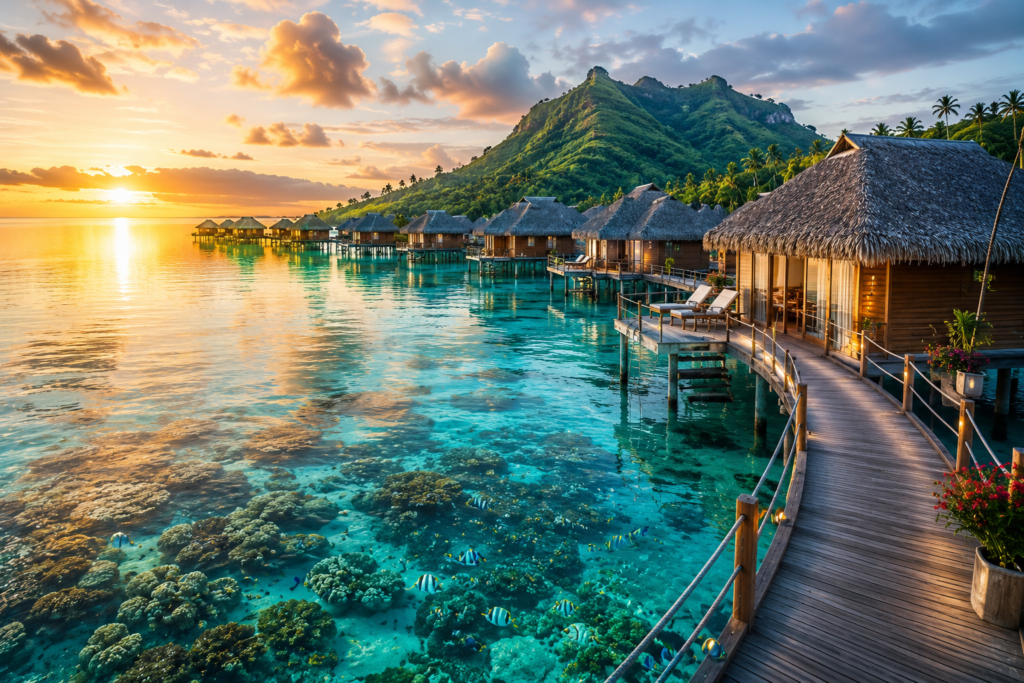
Scattered across the heart of the South Pacific, Fiji is a destination that effortlessly lives up to the tropical paradise imagined by travellers around the world. With more than 330 islands surrounded by crystal-clear lagoons, vibrant coral reefs and endless stretches of white sand, Fiji offers far more than beautiful beaches. It is a country where rich Indigenous culture, genuine hospitality and spectacular natural landscapes combine to create unforgettable travel experiences for every type of visitor. Whether you’re planning a luxury honeymoon, an adventurous island-hopping holiday, a family getaway or a relaxing escape from everyday life, Fiji provides an extraordinary balance of relaxation and adventure that keeps visitors returning year after year.
One of Fiji’s greatest attractions is its incredible diversity. While many people picture overwater bungalows and secluded beaches, the islands offer so much more. Dense tropical rainforests conceal hidden waterfalls, mountain ranges provide breathtaking hiking opportunities, colourful coral reefs teem with marine life, and traditional villages offer authentic cultural experiences that allow visitors to learn about the country’s fascinating history and customs. One day you may find yourself snorkelling alongside tropical fish in warm turquoise waters, while the next could be spent exploring lush national parks, sailing between remote islands or enjoying a sunset dinner overlooking the Pacific Ocean.
Despite being famous as a luxury destination, Fiji is surprisingly accessible for a wide range of budgets. Backpackers can find affordable beachfront hostels and island resorts, couples can enjoy boutique adults-only retreats, while families have access to world-class resorts featuring children’s clubs, water parks and activities suitable for all ages. Luxury travellers are equally spoiled with private island resorts, exclusive villas and premium experiences that rank among the finest in the South Pacific. Regardless of your budget or travel style, Fiji welcomes visitors with genuine warmth that has become one of the country’s defining characteristics.
Perhaps nothing leaves a greater impression than the friendliness of the Fijian people. The phrase “Bula” is heard everywhere, serving as both a greeting and an expression of goodwill that perfectly captures the country’s relaxed atmosphere. Hospitality is deeply embedded within Fijian culture, and visitors are often surprised by the sincerity of the smiles, conversations and welcoming nature of locals they encounter throughout their journey. This genuine warmth, combined with breathtaking scenery and an easy-going island lifestyle, creates an environment where visitors quickly feel relaxed and connected to their surroundings.
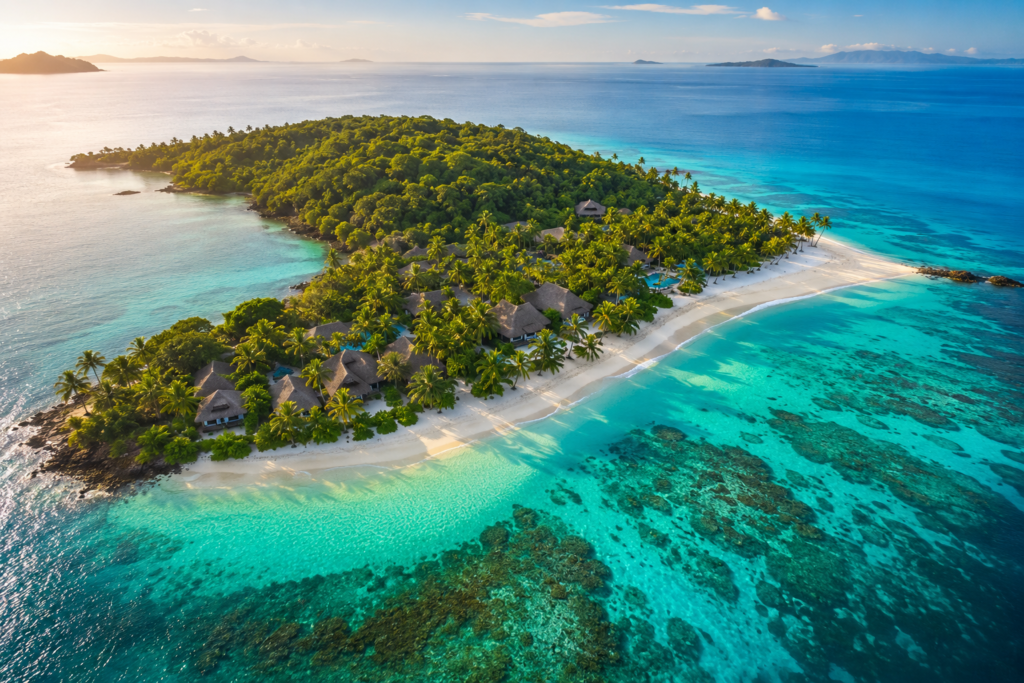
Why Visit Fiji?
Fiji has earned its reputation as one of the world’s most desirable tropical destinations for good reason. While countless islands across the Pacific boast beautiful beaches, Fiji distinguishes itself through its remarkable combination of accessibility, diversity and authentic cultural experiences. Travellers can enjoy luxurious accommodation, exceptional diving, adventurous outdoor activities and immersive village visits, all within a relatively compact island nation that is easy to navigate. Whether you’re visiting for five days or several weeks, there is always another island, reef or hidden beach waiting to be discovered.
For many visitors, Fiji’s marine environment is the highlight of their holiday. The country sits within one of the most biologically diverse regions of the Pacific Ocean, making it a paradise for snorkellers and scuba divers. Colourful coral gardens provide habitat for thousands of tropical fish, sea turtles, reef sharks, manta rays and countless other marine species. Protected marine reserves ensure many reefs remain in exceptional condition, while warm water temperatures throughout much of the year make underwater exploration enjoyable regardless of the season. Even first-time snorkellers are often amazed by how much marine life can be seen just metres from the shoreline at many resorts.
Beyond the coastline lies an equally impressive interior. The larger islands of Viti Levu and Vanua Levu feature volcanic mountains, rainforest-covered valleys, rivers, waterfalls and traditional villages that showcase another side of Fiji often overlooked by visitors who remain exclusively on the beaches. Guided hiking tours lead through dense tropical forests where colourful birds, native plants and panoramic viewpoints reward adventurous travellers. River safaris, ziplining experiences and visits to natural hot springs provide additional opportunities to explore landscapes that contrast beautifully with the country’s famous coastline.
Fiji also serves as an outstanding destination for those seeking relaxation. Days can easily be spent lounging beneath swaying palm trees, enjoying spa treatments overlooking the ocean, reading beside infinity pools or watching spectacular sunsets from beachfront restaurants. Unlike busier international destinations, many parts of Fiji still retain a peaceful atmosphere where visitors can genuinely disconnect from the pressures of everyday life. The slower pace of island life encourages travellers to appreciate simple pleasures such as sunrise walks along empty beaches, fresh tropical fruit at breakfast and evenings spent listening to gentle waves beneath star-filled skies.
Where is Fiji?
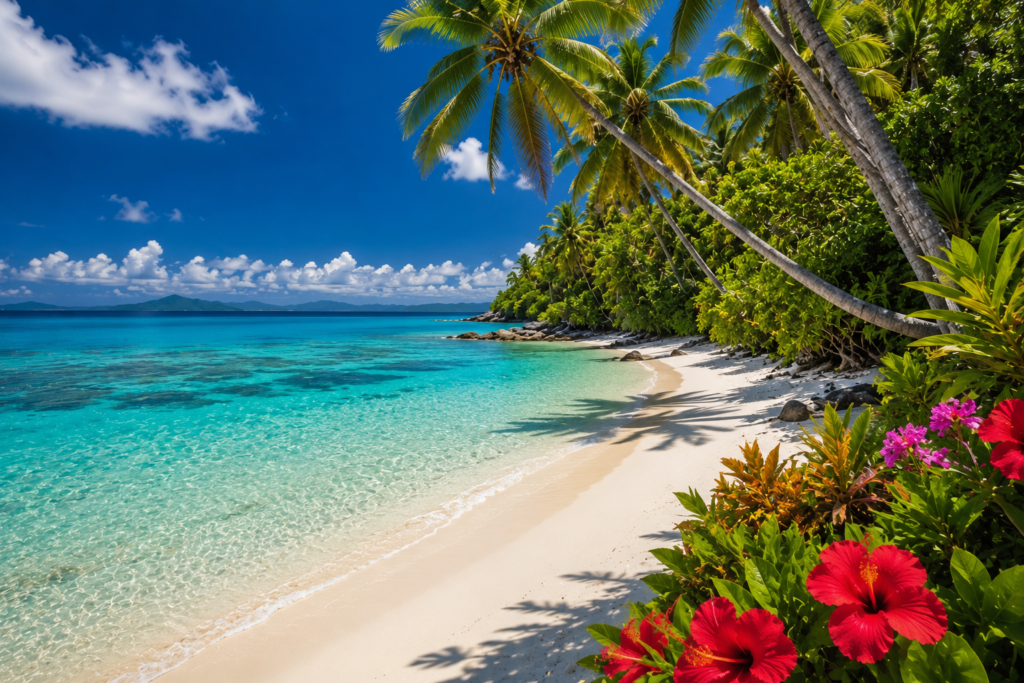
Fiji is located in the South Pacific Ocean approximately 2,000 kilometres northeast of New Zealand and around 2,700 kilometres east of Australia. Although the country consists of more than 330 islands, only around one-third are permanently inhabited. The two largest islands, Viti Levu and Vanua Levu, are home to the majority of Fiji’s population and contain most major towns, transport connections and visitor services. Numerous smaller island groups including the Mamanuca Islands, Yasawa Islands, Taveuni, Kadavu and the Lau Islands each offer unique experiences ranging from luxury resorts and exceptional diving to untouched natural beauty and authentic cultural encounters.
The country’s international gateway is Nadi on the western coast of Viti Levu. Most overseas visitors arrive through Nadi International Airport before continuing to other islands by ferry, domestic aircraft, helicopter or speedboat. Despite Fiji’s widespread geography, transportation between many popular islands is surprisingly efficient, allowing travellers to combine several destinations during a single holiday.
The Mamanuca Islands are among Fiji’s most popular destinations due to their close proximity to Nadi and abundance of luxury resorts, family-friendly accommodation and exceptional snorkelling. The Yasawa Islands, located further north, are renowned for their dramatic volcanic scenery, crystal-clear lagoons and more secluded atmosphere. Travellers seeking world-class diving often head towards Taveuni or Kadavu, while those interested in experiencing authentic Fijian culture may choose to explore lesser-visited regions where traditional village life remains largely unchanged.
How to Get to Fiji
Travelling to Fiji is relatively straightforward, particularly for visitors arriving from Australia, New Zealand and North America. Nadi International Airport serves as the country’s primary international hub and receives regular direct flights from Sydney, Melbourne, Brisbane, Adelaide, Auckland, Los Angeles, San Francisco, Vancouver, Singapore and several Pacific Island nations. For Australian travellers, flight times generally range between four and five hours depending on the departure city, making Fiji one of the most accessible tropical island destinations in the South Pacific.
Upon arriving in Nadi, visitors are immediately welcomed by Fiji’s famous hospitality. It is not uncommon for arriving passengers to be greeted with live Fijian music performed within the terminal, setting the tone for the relaxed and friendly atmosphere that continues throughout the holiday. Airport transfers are readily available, with shuttle buses, taxis and private transfers connecting visitors to hotels throughout Nadi, Denarau Island and the nearby Coral Coast.
Travellers planning to explore beyond the main island have several transport options available. High-speed catamarans operate regular services between Port Denarau and the Mamanuca and Yasawa Islands, providing scenic journeys across turquoise waters while stopping at numerous island resorts along the route. Domestic airlines connect larger islands such as Vanua Levu, Taveuni and Kadavu, significantly reducing travel times for those wishing to explore more remote regions. Helicopter transfers and seaplanes also operate between Nadi and several luxury island resorts, offering spectacular aerial views of coral reefs, sand cays and the surrounding Pacific Ocean.
Although many visitors choose to remain at a single resort throughout their holiday, island hopping has become increasingly popular and allows travellers to experience the remarkable diversity that Fiji offers. Spending several nights in different regions provides opportunities to discover contrasting landscapes, accommodation styles and activities while gaining a broader appreciation for the country’s unique island culture.
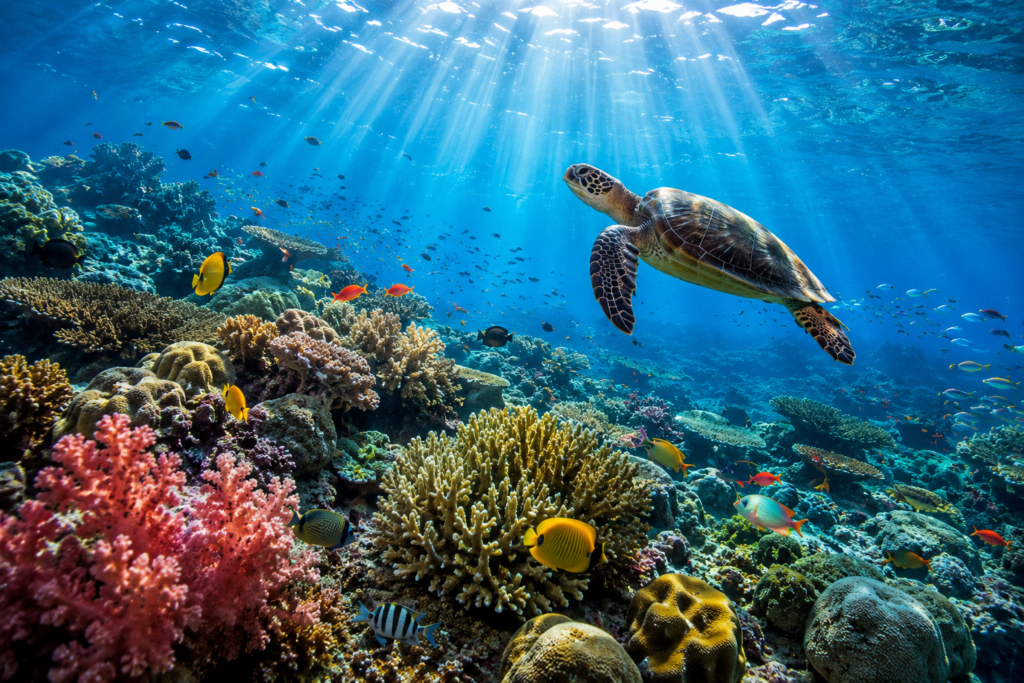
Best Time to Visit Fiji
Fiji is a year-round destination thanks to its tropical climate, warm ocean temperatures and consistently pleasant weather. However, each season offers slightly different conditions, making it worthwhile to consider your travel priorities when planning your holiday. Whether your goal is snorkelling in calm waters, escaping the Australian winter, surfing world-famous breaks or simply relaxing beneath palm trees, understanding Fiji’s seasons can help you make the most of your visit.
The dry season, typically running from May to October, is widely regarded as the best time to visit. During these months humidity is lower, rainfall is less frequent and daytime temperatures generally range between 24°C and 29°C. The comfortable climate creates ideal conditions for outdoor activities including snorkelling, diving, hiking, sailing and island hopping. Clear skies and calm seas also improve underwater visibility, making this period particularly popular among scuba divers and photographers. Because this coincides with school holidays in Australia and New Zealand, accommodation should be booked well in advance, particularly at popular island resorts.
The wet season extends from November through April and brings warmer temperatures, higher humidity and an increased likelihood of tropical showers. Rainfall often occurs as brief but heavy downpours followed by sunshine rather than continuous rain throughout the day. The landscape becomes especially lush during these months, waterfalls flow more strongly and visitor numbers decline, often resulting in more attractive accommodation prices. While there is a greater chance of tropical cyclones between January and March, major disruptions remain relatively uncommon, and many travellers continue to enjoy excellent weather throughout the season.
For honeymooners and couples seeking a balance of pleasant weather and fewer crowds, the shoulder months of May, June, September and October are often considered ideal. These periods combine comfortable temperatures, beautiful ocean conditions and slightly lower visitor numbers than peak holiday periods, creating an excellent environment for romantic island escapes.
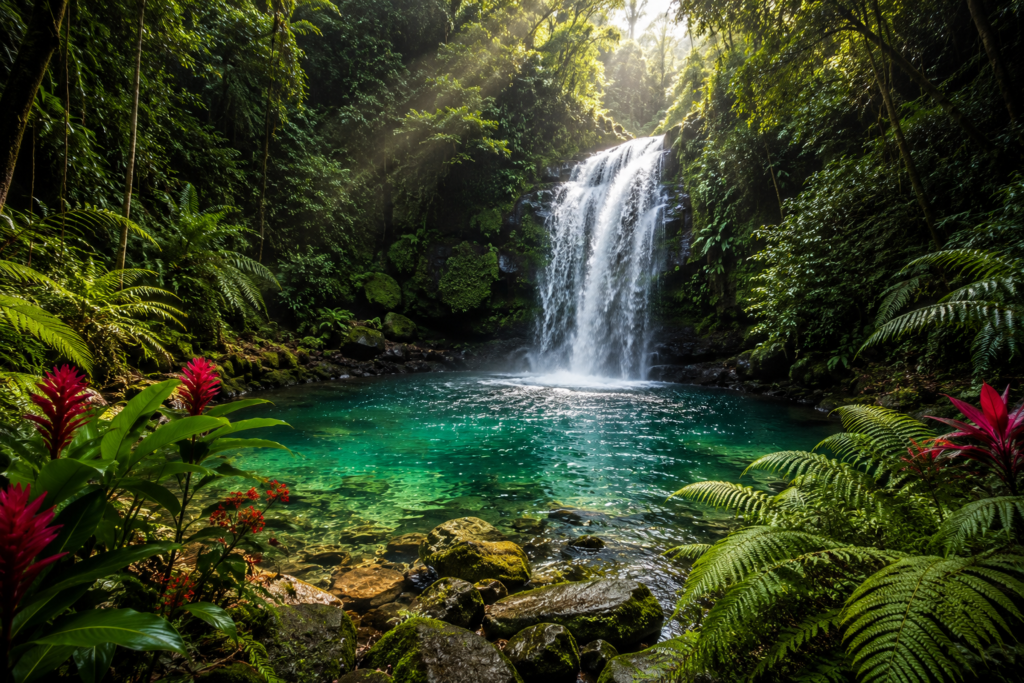
Exploring Fiji’s Islands: Which Region is Right for You?
Although Fiji is often spoken about as though it were a single destination, the country is made up of hundreds of islands, each offering its own unique personality and travel experience. Choosing where to stay is one of the most important decisions you’ll make when planning your holiday, as every island group caters to different interests, budgets and styles of travel. Some are renowned for luxury resorts and romantic sunsets, while others are celebrated for untouched coral reefs, traditional villages, world-class diving or adventurous hiking trails. Understanding what each region offers will help you create an itinerary that perfectly matches your dream South Pacific escape.
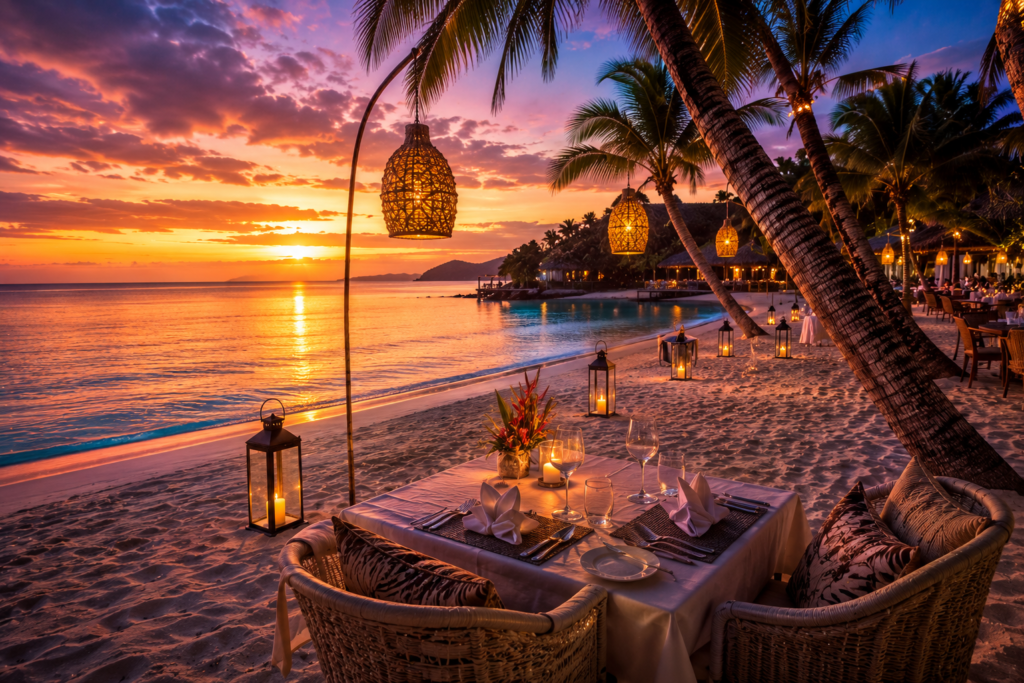
Viti Levu – The Heart of Fiji
Viti Levu is Fiji’s largest island and home to around three-quarters of the country’s population. It is where you’ll find the international airport in Nadi, the capital city of Suva, and many of Fiji’s most popular resorts. While some travellers simply use Viti Levu as a gateway to the outer islands, spending a few days exploring the island reveals an impressive variety of landscapes, attractions and cultural experiences.
The western side of Viti Levu enjoys a drier climate and is home to the popular Denarau Island resort precinct. Connected to the mainland by a short causeway, Denarau offers luxury hotels, a marina, golf course, shopping village and a wide selection of restaurants, making it an excellent base for first-time visitors. Ferries departing from Port Denarau provide easy access to the Mamanuca and Yasawa Islands, making island hopping convenient for travellers with limited time.
Further south, the Coral Coast stretches for approximately 80 kilometres between Nadi and Suva. This beautiful coastline is famous for its palm-lined beaches, coral lagoons and family-friendly resorts. Visitors can spend their days snorkelling directly from the beach, exploring local villages, visiting waterfalls or enjoying cultural performances that showcase traditional Fijian dance and music. Inland, lush rainforest and mountainous terrain provide opportunities for hiking, river safaris and ziplining adventures that reveal a completely different side of Fiji.
Suva, Fiji’s capital, offers a more urban experience than the resort areas but is well worth visiting for those interested in history and culture. The city is home to museums, botanical gardens, bustling markets and colonial architecture that reflect Fiji’s multicultural heritage. Wandering through the Municipal Market provides an excellent opportunity to see colourful displays of tropical fruit, vegetables, spices and seafood while interacting with friendly local vendors.
⸻
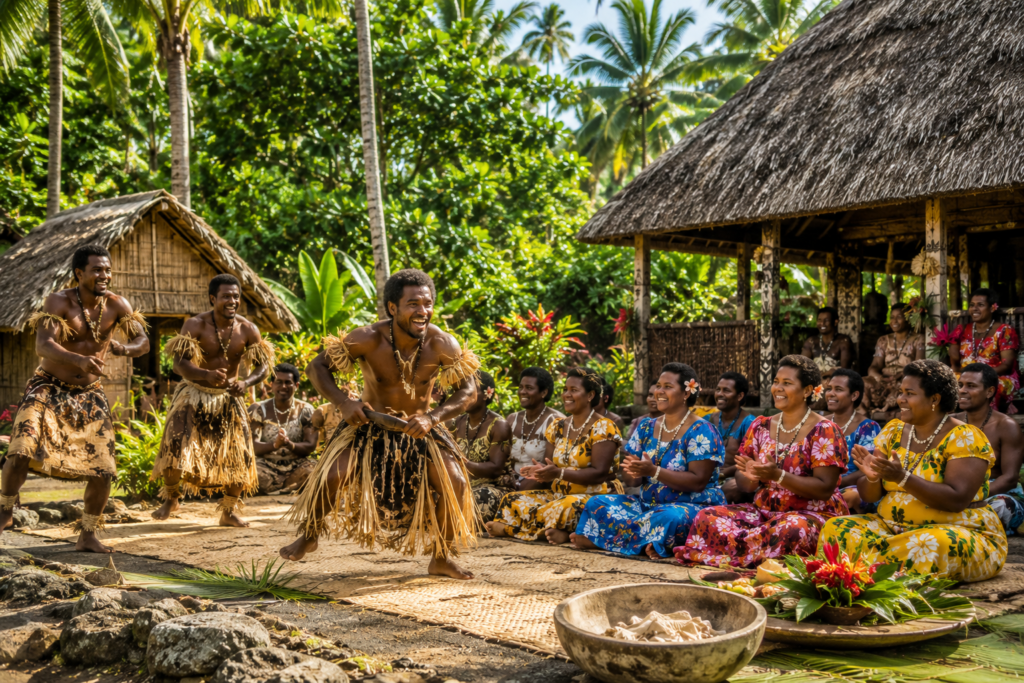
The Mamanuca Islands
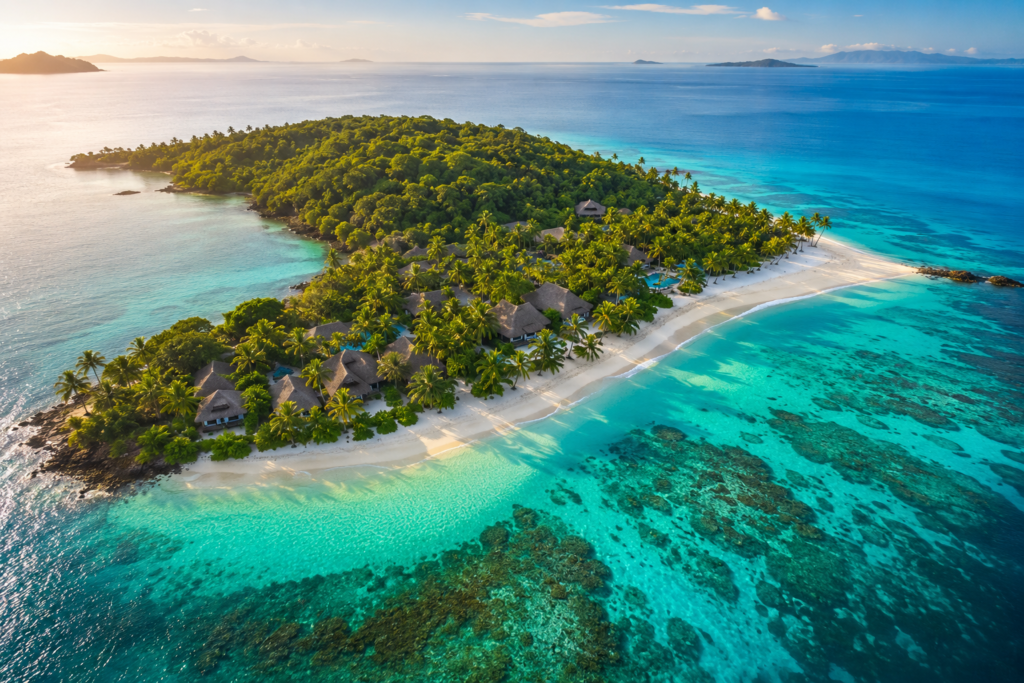
If you’ve ever imagined yourself relaxing beneath swaying coconut palms while gazing across impossibly blue water, chances are you’ve pictured something very similar to the Mamanuca Islands. Located just off the western coast of Viti Levu, this collection of around twenty idyllic islands is one of Fiji’s most visited destinations thanks to its easy accessibility, luxurious accommodation and spectacular beaches.
Many of the islands are home to just a single resort, creating an intimate atmosphere where guests can truly unwind. Crystal-clear lagoons make the Mamanucas one of Fiji’s best snorkelling destinations, with colourful coral reefs located only metres from the shoreline. Even beginner snorkellers can enjoy remarkable encounters with clownfish, butterflyfish, reef sharks and sea turtles in warm, calm waters.
The Mamanucas are also internationally recognised among surfers. During the right swell conditions, famous breaks such as Cloudbreak and Restaurants attract experienced surfers from around the world. Even if surfing isn’t on your itinerary, watching talented surfers tackle these legendary waves from a nearby boat tour is an unforgettable experience.
Accommodation options range from luxurious adults-only resorts perfect for honeymooners to family-friendly properties offering kids’ clubs, water sports and spacious beachfront villas. Because of their proximity to Nadi, the Mamanucas are ideal for shorter holidays or travellers wanting maximum relaxation without lengthy transfers.
⸻
The Yasawa Islands
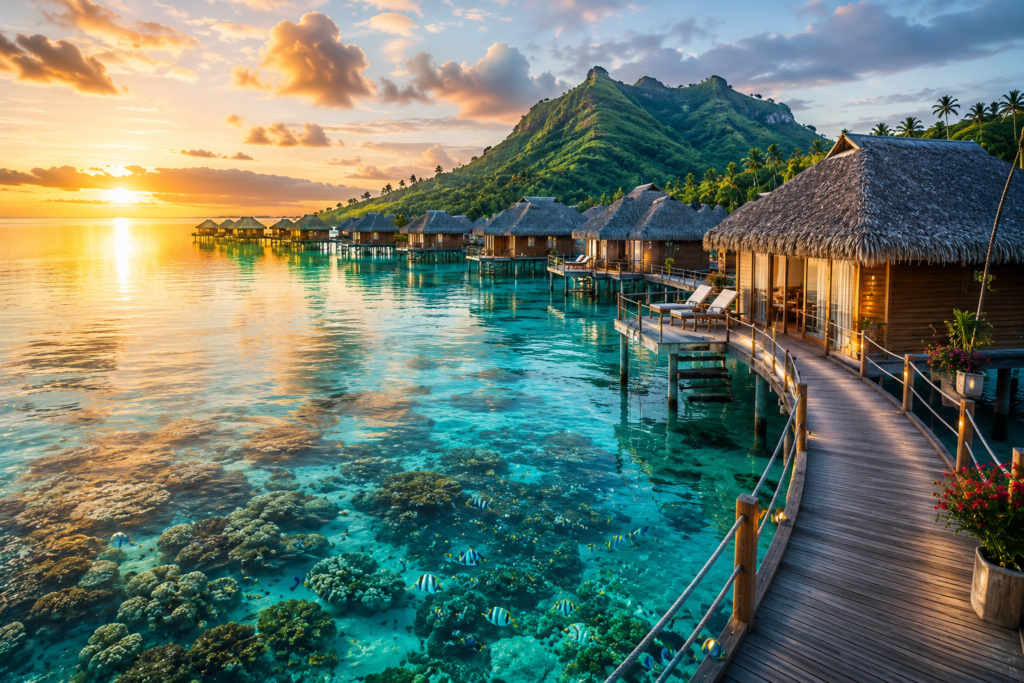
Stretching north from the Mamanuca Islands, the Yasawa archipelago offers a more remote and adventurous island experience. Characterised by volcanic peaks, hidden coves and brilliant turquoise lagoons, the Yasawas remain one of Fiji’s most visually spectacular regions. Although increasingly popular, many islands still retain a peaceful atmosphere where life moves at a slower pace.
One of the Yasawas’ greatest appeals is the opportunity to island hop. Regular ferry services travel through the chain, allowing visitors to spend several nights on different islands while experiencing a variety of resorts and landscapes. Each island has its own unique character, ranging from lively backpacker-friendly accommodations to luxurious boutique resorts designed for complete tranquillity.
The Yasawas are famous for their exceptional snorkelling and diving. Coral reefs remain remarkably healthy, supporting abundant marine life including reef sharks, manta rays and colourful tropical fish. Between May and October, visitors have the opportunity to snorkel alongside majestic manta rays in specific channels where these gentle giants gather to feed. Seeing these graceful creatures glide effortlessly through crystal-clear water is often considered one of Fiji’s most memorable wildlife experiences.
Several islands also feature limestone caves, secluded beaches and panoramic hiking trails leading to spectacular viewpoints overlooking the surrounding Pacific Ocean. These natural attractions provide excellent opportunities for travellers seeking experiences beyond simply relaxing on the beach.
⸻
Vanua Levu
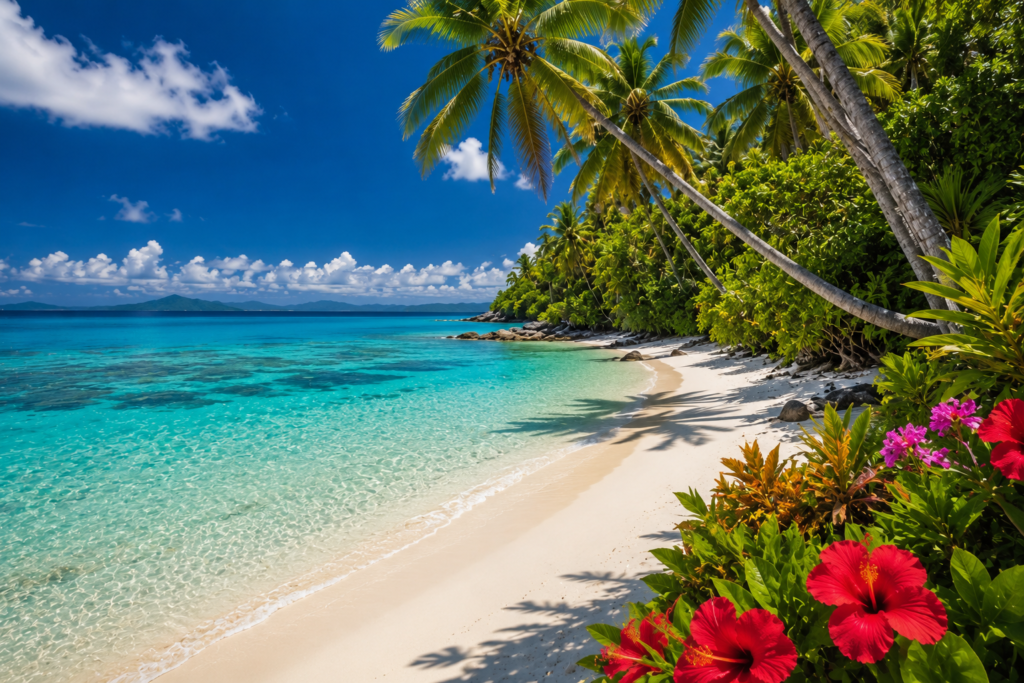
Often overshadowed by Viti Levu, Fiji’s second-largest island rewards travellers seeking a quieter and more authentic experience. Vanua Levu offers lush rainforests, traditional villages, uncrowded beaches and outstanding diving opportunities without the larger crowds found in more popular regions.
The town of Savusavu is affectionately known as Fiji’s “hidden paradise.” This charming harbour town features boutique resorts, hot springs, sailing facilities and easy access to nearby coral reefs. Its relaxed atmosphere appeals particularly to couples, divers and travellers wanting to escape the busier resort areas.
Vanua Levu also serves as an excellent destination for eco-tourism. Dense forests provide habitat for native bird species, while nearby marine reserves protect vibrant coral ecosystems. Visitors interested in sustainable travel often appreciate the island’s smaller-scale tourism industry and strong connection to local communities.
⸻
Taveuni – Fiji’s Garden Island
Known as the “Garden Island of Fiji,” Taveuni is a paradise for nature lovers. Abundant rainfall supports dense tropical rainforest, spectacular waterfalls and extraordinary biodiversity, making it one of Fiji’s greenest islands. Unlike destinations focused primarily on beaches, Taveuni offers a balance of coastal beauty and inland adventure.
One of the island’s highlights is Bouma National Heritage Park, where well-maintained walking trails lead through rainforest to a series of breathtaking waterfalls. Swimming beneath these cascading falls surrounded by lush vegetation is an unforgettable experience that showcases Fiji’s remarkable natural beauty beyond its coastline.
Taveuni is equally famous among scuba divers thanks to the nearby Rainbow Reef. Regarded as one of the finest dive sites in the South Pacific, the reef features colourful soft corals, dramatic underwater formations and extraordinary marine biodiversity. Divers frequently encounter reef sharks, turtles, rays and countless tropical fish species in waters renowned for their exceptional visibility.
⸻
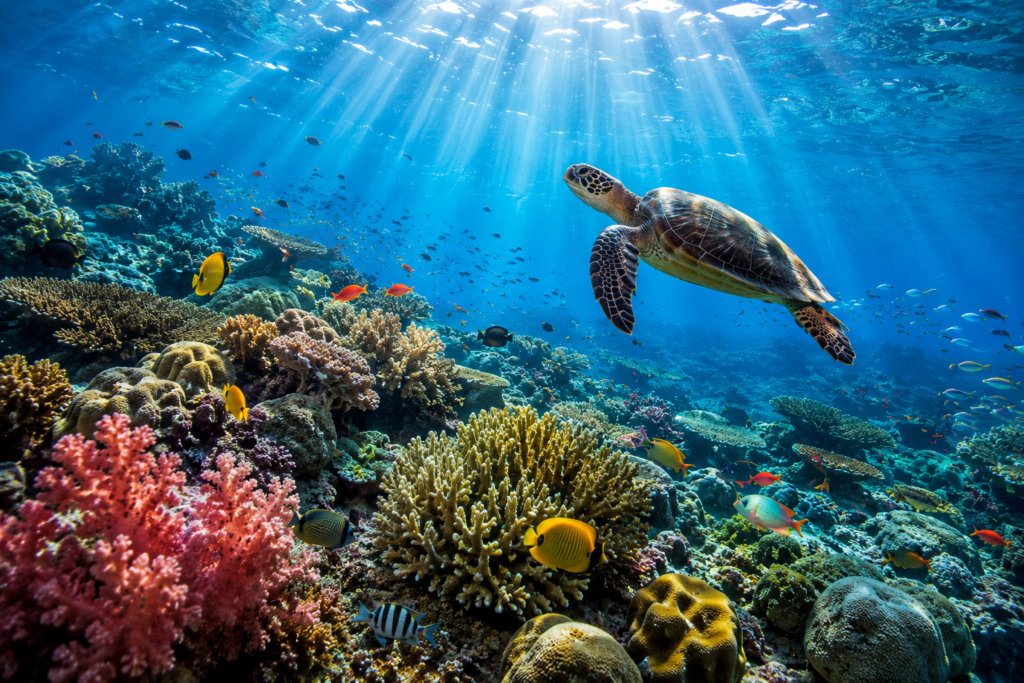
Where to Stay in Fiji
Accommodation in Fiji caters to every budget and travel style, ranging from affordable beachfront hostels to ultra-exclusive private island resorts. Choosing the right location is often just as important as selecting the resort itself, as different regions offer very different experiences.
Luxury travellers looking for exceptional service and world-class facilities should consider resorts such as Likuliku Lagoon Resort in the Mamanuca Islands, famous for its authentic overwater bures, Tokoriki Island Resort, which is consistently ranked among Fiji’s finest adults-only retreats, or Six Senses Fiji, where sustainability, wellness and luxury combine to create an unforgettable island escape. Guests can expect private plunge pools, gourmet dining, spa treatments, exceptional snorkelling and attentive service surrounded by spectacular natural scenery.
Couples seeking romance will also appreciate Lomani Island Resort, an intimate adults-only property offering beachfront accommodation, beautiful gardens and personalised service. Its peaceful atmosphere makes it particularly popular for honeymoons and anniversary celebrations.
Families travelling with children often choose larger integrated resorts offering extensive recreational facilities. Shangri-La Yanuca Island, located along the Coral Coast, provides multiple swimming pools, kids’ clubs, water sports and spacious family accommodation, while Plantation Island Resort in the Mamanuca Islands remains a favourite thanks to its relaxed atmosphere, safe swimming beaches and wide range of activities suitable for all ages.
Travellers on a more moderate budget will find excellent value at resorts such as Malolo Island Resort, Musket Cove Island Resort, The Naviti Resort and Outrigger Fiji Beach Resort, all of which combine comfortable accommodation with excellent locations and a broad range of recreational facilities.
Budget-conscious travellers are equally well catered for throughout Fiji. Many islands feature simple beachfront lodges and backpacker resorts where guests can enjoy spectacular surroundings without spending a fortune. Accommodation may be more basic, but the friendly atmosphere, communal dining experiences and easy access to beaches often create memorable experiences that rival those found at far more expensive resorts.
⸻
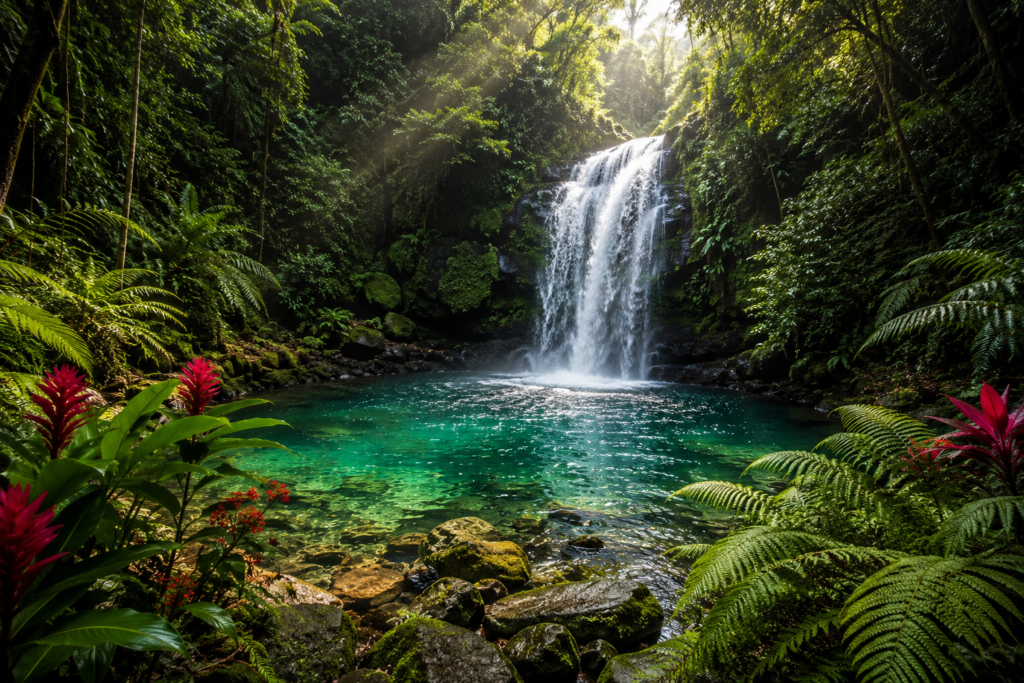
The Best Restaurants and Local Food to Try
Fiji’s culinary scene reflects the country’s diverse cultural influences, blending Indigenous Fijian traditions with Indian, Chinese and European flavours. Fresh seafood, tropical fruit, locally grown vegetables and aromatic spices feature prominently across menus, creating a vibrant food culture that surprises many first-time visitors.
In Denarau, Bonefish Seafood Restaurant is renowned for serving beautifully prepared local seafood while overlooking the marina, making it an excellent choice for a sunset dinner. Nearby, Cardo’s Steakhouse & Cocktail Bar offers generous portions, premium steaks and a lively atmosphere popular with both visitors and locals. Those craving authentic Indian cuisine should visit Indigo Indian Asian Restaurant, where traditional curries, tandoori dishes and freshly baked naan showcase the strong Indo-Fijian influence on the country’s cuisine.
Along the Coral Coast, The Wicked Walu Seafood Restaurant has become one of Fiji’s most celebrated dining destinations. Situated over the water with uninterrupted ocean views, the restaurant specialises in freshly caught seafood accompanied by local produce and tropical flavours. The romantic setting makes it particularly popular among honeymooners and couples celebrating special occasions.
Visitors should also make time to sample traditional Fijian dishes. Kokoda, often described as Fiji’s version of ceviche, combines raw fish marinated in citrus juice with coconut cream, tomatoes, onions and chilli to create a refreshing tropical dish perfect for warm weather. Lovo, a traditional feast cooked underground using heated stones, remains one of Fiji’s most iconic culinary experiences and is frequently served during cultural evenings at resorts. Other favourites include cassava, taro, freshly grilled reef fish, tropical fruit platters and sweet coconut-based desserts that showcase the abundance of fresh local ingredients available throughout the islands.
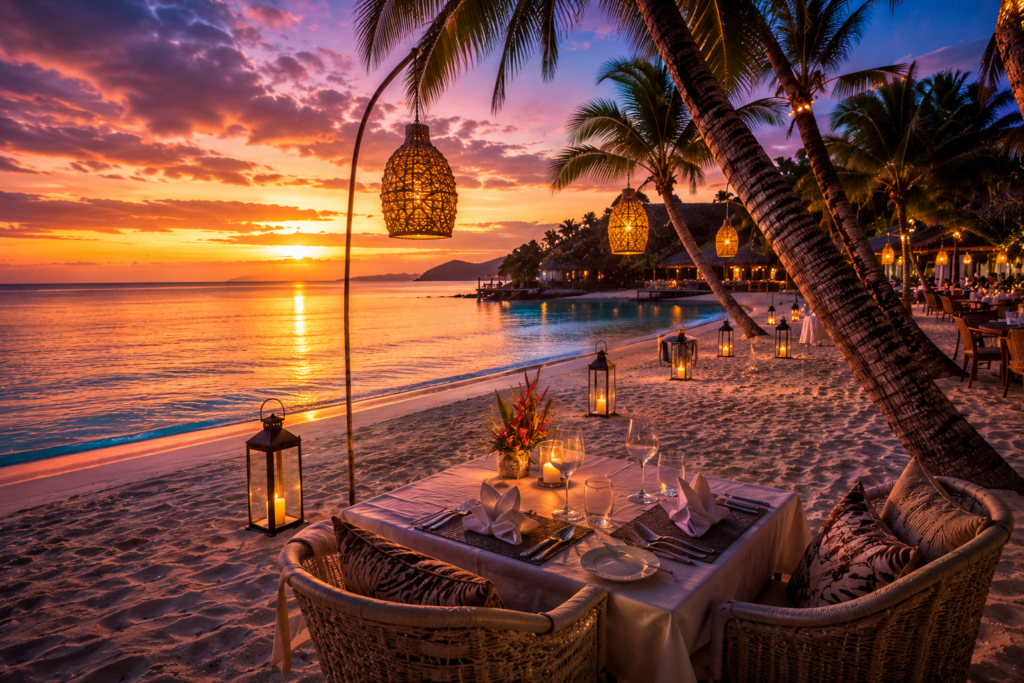
The Best Beaches in Fiji
One of Fiji’s greatest attractions is its extraordinary coastline. With hundreds of islands scattered across the South Pacific, visitors are spoiled for choice when it comes to finding the perfect beach. Some stretches of sand are lined with luxurious resorts offering every imaginable comfort, while others remain almost untouched, providing a peaceful escape where the only sounds are gently lapping waves and rustling palm trees. Regardless of where you travel throughout Fiji, you’ll quickly discover that every island offers its own unique interpretation of paradise.
The beaches of the Mamanuca Islands are among the country’s most photographed. Powder-soft white sand meets shallow turquoise lagoons that remain calm throughout much of the year, creating ideal conditions for swimming, paddleboarding and snorkelling. Many visitors spend entire days moving between the beach, the ocean and a hammock suspended beneath coconut palms, embracing the relaxed island lifestyle that Fiji is famous for. Resorts throughout the Mamanucas often provide complimentary kayaks and paddleboards, allowing guests to explore nearby reefs and small uninhabited islands at their own pace.
Further north, the Yasawa Islands offer a more rugged and secluded coastal experience. Dramatic volcanic peaks rise behind pristine beaches where visitors may find themselves sharing the shoreline with only a handful of other people. The water is exceptionally clear, often providing visibility of more than twenty metres on calm days, making these islands particularly appealing for snorkelling and underwater photography. Hidden coves and quiet bays reward those willing to explore beyond the main resort beaches, with many accessible by kayak or short walking tracks.
The Coral Coast on Viti Levu presents another excellent option, particularly for families and travellers wanting convenient access from the mainland. Fringing coral reefs create sheltered lagoons ideal for children, while nearby beaches provide opportunities for snorkelling, paddleboarding and relaxed seaside dining. Inland rivers and waterfalls are also within easy reach, making the Coral Coast one of Fiji’s most diverse holiday destinations.
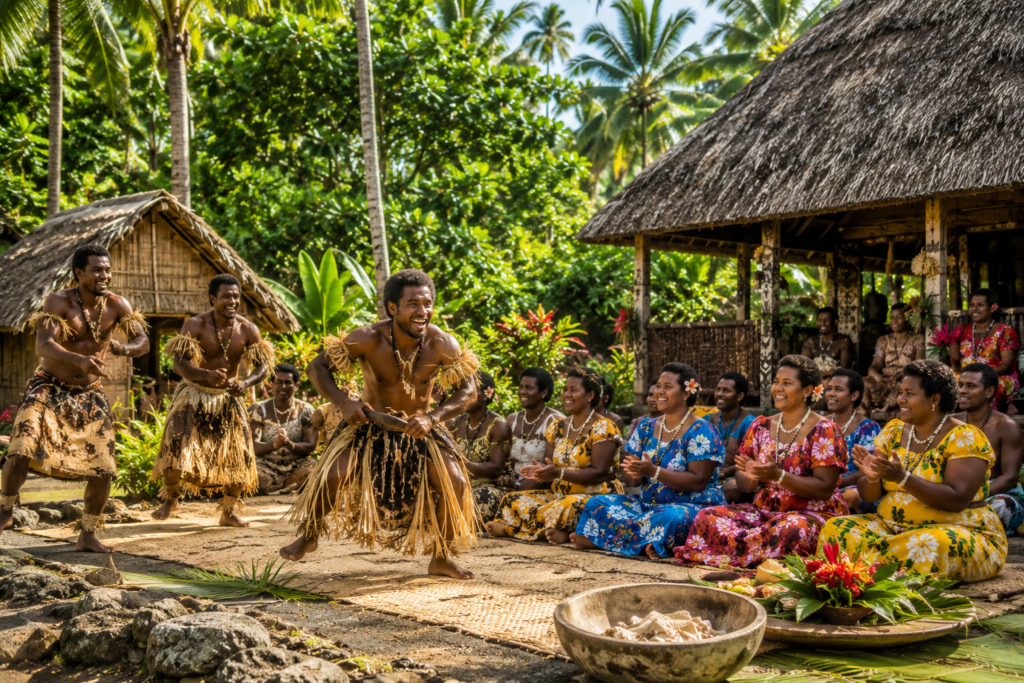
Snorkelling and Scuba Diving
Fiji has earned an international reputation as one of the world’s premier diving destinations, and it is easy to understand why once you enter its warm tropical waters. Positioned within the South Pacific’s rich marine ecosystems, Fiji offers extraordinary biodiversity that attracts recreational snorkellers, beginner divers and experienced underwater photographers alike. Colourful coral gardens, dramatic reef walls, underwater caves and thriving marine reserves create unforgettable underwater experiences throughout the country.
Even travellers with no previous snorkelling experience can enjoy remarkable marine encounters. Many island resorts feature coral reefs directly offshore, allowing visitors to simply walk from the beach into crystal-clear water teeming with clownfish, butterflyfish, angelfish, parrotfish and vibrant coral formations. Sea turtles are frequently encountered throughout the islands, while harmless reef sharks can often be observed gracefully patrolling deeper sections of the reef. Morning conditions generally provide the calmest water and clearest visibility, making early snorkelling excursions particularly rewarding.
Scuba divers have an almost endless variety of sites to explore. Rainbow Reef near Taveuni is internationally renowned for its colourful soft corals that create spectacular underwater landscapes unlike almost anywhere else in the world. Nearby, the Great White Wall dive site is famous for its dense covering of white soft coral that transforms the reef into an almost otherworldly scene. Divers exploring the Beqa Lagoon can encounter bull sharks through carefully managed shark diving experiences, while Kadavu’s Great Astrolabe Reef, one of the world’s largest barrier reefs, offers exceptional biodiversity and relatively uncrowded dive sites.
Marine conservation plays an increasingly important role throughout Fiji, with numerous community-managed marine protected areas helping preserve coral ecosystems for future generations. Many resorts actively support reef restoration programs and encourage environmentally responsible tourism practices, ensuring visitors can enjoy these remarkable underwater environments while contributing to their long-term protection.
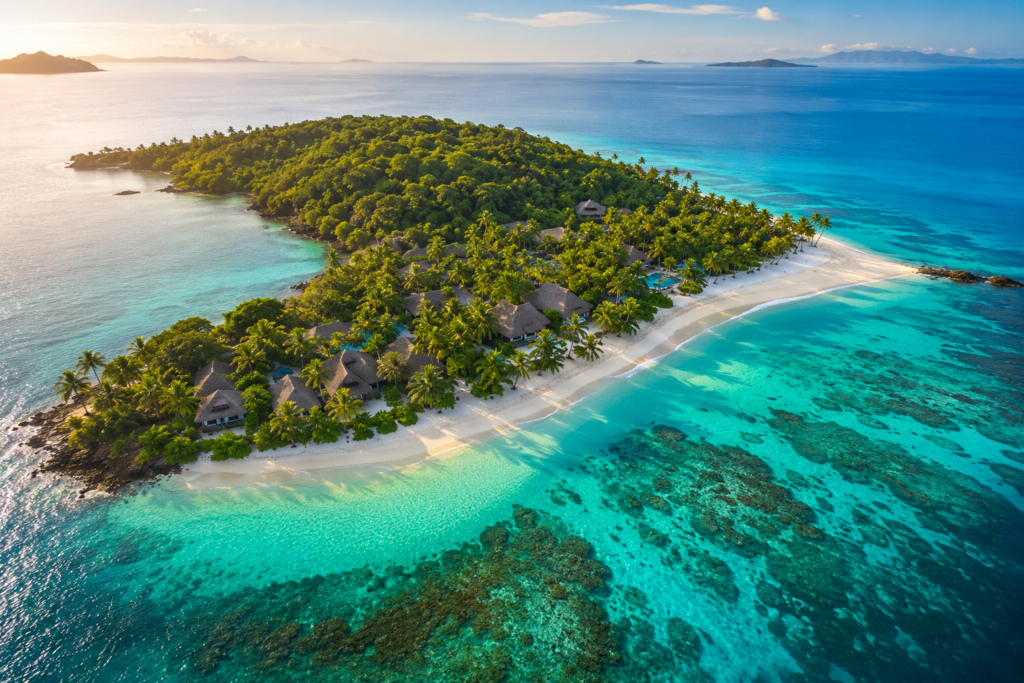
Waterfalls, Rainforests and Outdoor Adventures
While Fiji’s beaches often receive the greatest attention, the country’s interior landscapes offer equally impressive natural beauty. Volcanic mountains, dense tropical rainforests, winding rivers and spectacular waterfalls provide endless opportunities for exploration beyond the coastline. Travellers willing to venture inland frequently discover a side of Fiji that many visitors overlook.
Bouma National Heritage Park on Taveuni is one of Fiji’s most celebrated natural attractions. Well-maintained walking trails lead visitors through lush rainforest alive with birdsong before arriving at a series of magnificent waterfalls cascading into clear freshwater pools. Swimming beneath these falls surrounded by towering tropical vegetation is one of Fiji’s most memorable experiences and provides welcome relief from the tropical heat.
Adventure seekers can also enjoy ziplining through rainforest canopies, river tubing along gentle jungle waterways, kayaking through mangrove forests and hiking to panoramic mountain viewpoints that overlook the surrounding islands. On Viti Levu, the Sigatoka River Safari offers visitors the opportunity to travel deep into the island’s interior while visiting traditional villages inaccessible by road. Along the way, knowledgeable local guides share fascinating insights into Fijian history, customs and everyday village life, providing an authentic cultural experience alongside spectacular scenery.
Nature lovers will also appreciate Fiji’s remarkable birdlife. Native species inhabit many rainforest areas, while colourful butterflies, tropical flowers and ancient tree ferns contribute to the islands’ incredible biodiversity. Photographers often find early morning the most rewarding time to explore these environments, when soft light filters through the rainforest canopy and wildlife is particularly active.
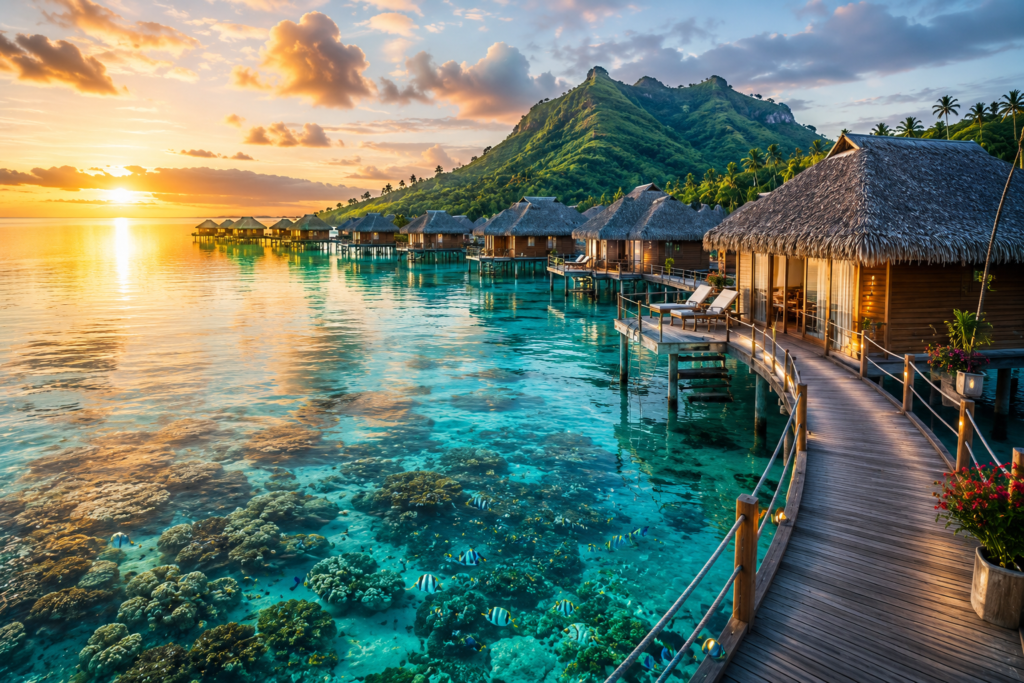
Experiencing Fijian Culture
One of the most rewarding aspects of travelling through Fiji is the opportunity to experience its rich and welcoming culture. The warmth and generosity of the Fijian people consistently leave lasting impressions on visitors, and many travellers describe their interactions with local communities as one of the highlights of their holiday.
Many resorts organise visits to nearby villages where guests can gain insight into traditional Fijian life. These experiences often include guided walks through the village, demonstrations of local crafts, traditional dance performances and opportunities to learn about customs that have been passed down through generations. Respectful attire is generally expected during village visits, with shoulders and knees covered as a sign of courtesy.
Participating in a traditional kava ceremony provides another meaningful cultural experience. Kava, made from the root of the yaqona plant, has played an important role in Fijian society for centuries and remains central to many ceremonies and community gatherings. Visitors are often welcomed to participate, learning about the customs and etiquette associated with preparing and sharing the drink.
Music and dance are also deeply woven into Fijian culture. Traditional performances featuring harmonious singing, energetic dances and storytelling through movement are frequently held at resorts and community events. These performances celebrate local history, family, community and the strong connection Fijians maintain with both land and sea.
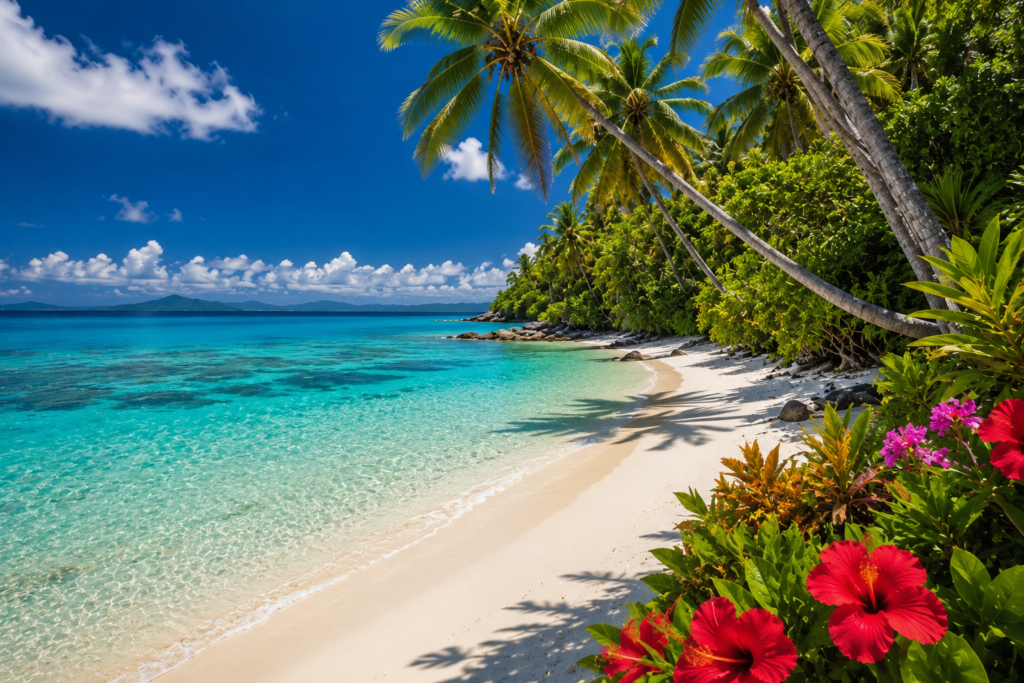
A Suggested Seven-Day Fiji Itinerary
A week provides enough time to experience several different sides of Fiji while maintaining a relaxed pace. Begin by spending your first two nights on Denarau Island or the Coral Coast, allowing time to recover from your flight while enjoying beachfront relaxation, local restaurants and cultural attractions. A sunset cruise across the Pacific provides the perfect introduction to Fiji’s spectacular scenery.
For the following three nights, travel to either the Mamanuca or Yasawa Islands. Spend your days snorkelling colourful reefs, kayaking across turquoise lagoons, relaxing on white-sand beaches and watching unforgettable sunsets from the shoreline. If visiting during the appropriate season, consider joining a manta ray snorkelling excursion or a guided diving trip to explore Fiji’s famous coral reefs.
Return to Viti Levu for your final two nights and use this time to experience Fiji’s inland attractions. Explore rainforest waterfalls, visit a traditional village, enjoy a river safari or simply relax with a spa treatment before your departure. Ending your holiday on the mainland also provides convenient access to Nadi International Airport while allowing you to appreciate another dimension of Fiji beyond its beaches.
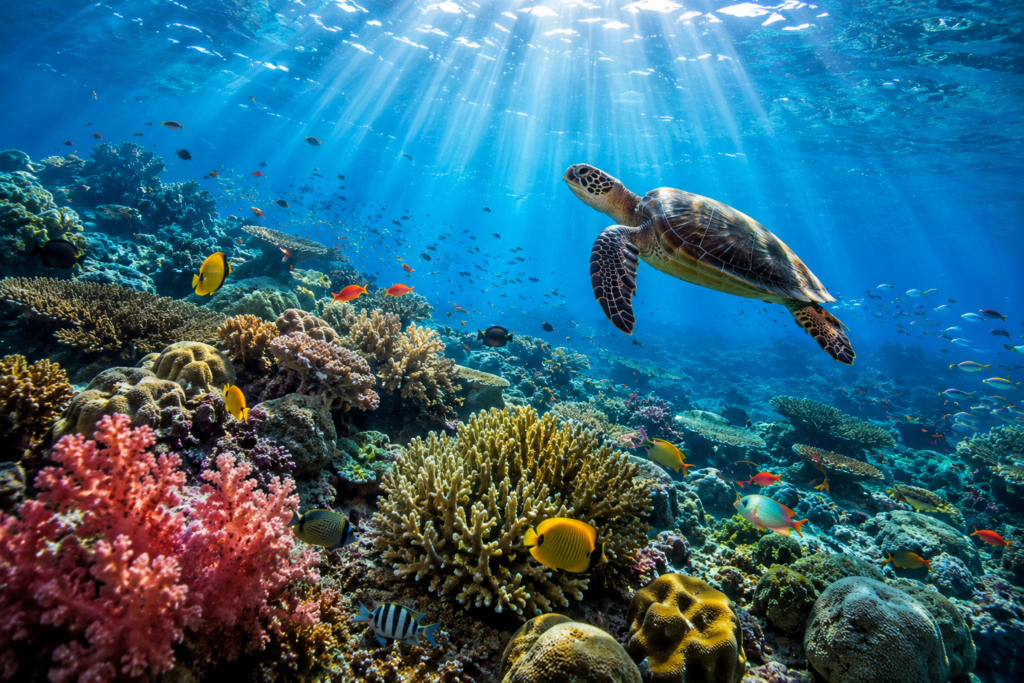
Budgeting for Your Fiji Holiday
Fiji accommodates an impressively wide range of budgets, making it accessible to both luxury travellers and those seeking affordable island adventures. Backpackers can find dormitory accommodation and budget beachfront lodges from around AUD $60–120 per night, while comfortable mid-range resorts typically range between AUD $250–500 depending on location and season.
Luxury resorts, particularly those located on private islands, generally begin around AUD $700 per night and can exceed AUD $2,000 for premium villas featuring private pools, personal butlers and exclusive beachfront locations. Although these resorts represent a significant investment, many include meals, non-motorised water sports and additional activities that help offset overall holiday costs.
Dining expenses vary considerably depending on location. Resort restaurants naturally command higher prices, while local cafés and family-run eateries offer excellent value and authentic cuisine. Travellers planning extensive island hopping should also budget for ferry or domestic flight transfers, as transportation between islands can represent a meaningful portion of overall holiday expenses.
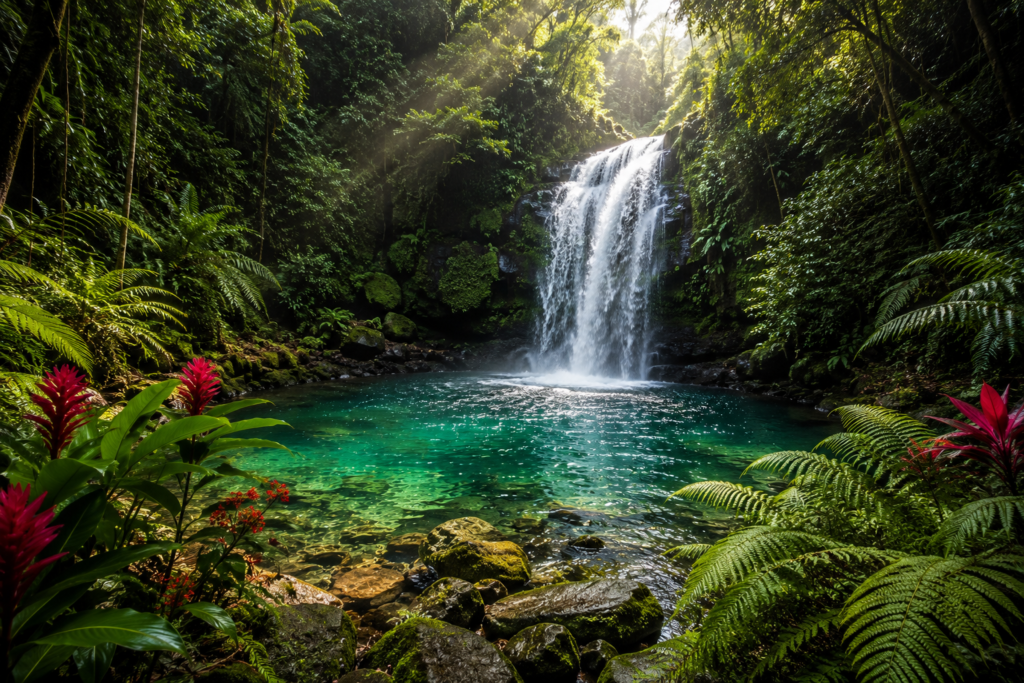
Essential Travel Tips
Planning ahead helps ensure a smooth and enjoyable Fiji holiday. The local currency is the Fijian Dollar (FJD), although credit cards are widely accepted at larger hotels and restaurants. Carrying some cash is advisable when visiting smaller islands or local markets where card facilities may be limited.
English is one of Fiji’s official languages, making communication straightforward for most international visitors. Nevertheless, learning a few common Fijian words such as “Bula” (hello) and “Vinaka” (thank you) is greatly appreciated by locals and often leads to warm conversations throughout your journey.
Lightweight clothing, reef-safe sunscreen, insect repellent and reusable water bottles are all highly recommended. Tropical showers can occur at any time of year, so packing a lightweight waterproof jacket is also worthwhile, particularly if visiting during the wetter months.
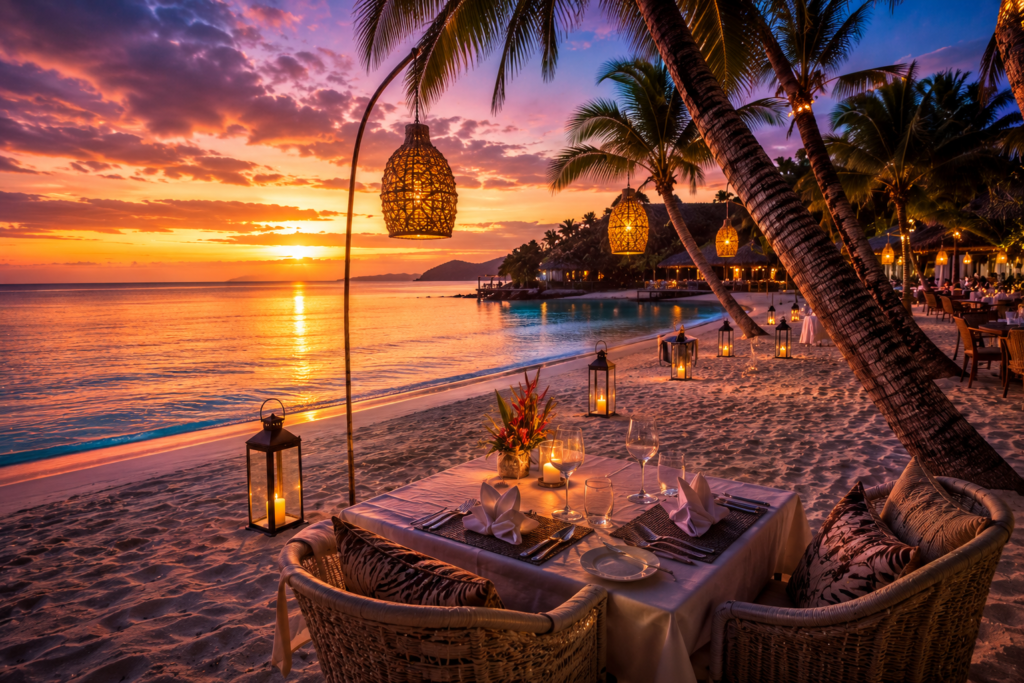
Frequently Asked Questions
Many travellers wonder whether Fiji is suitable for families. The answer is an emphatic yes. Numerous resorts feature exceptional children’s facilities, family-friendly beaches, supervised activity programs and spacious accommodation designed specifically for parents travelling with young children. Couples and honeymooners are equally well catered for thanks to the wide range of adults-only boutique resorts available throughout the islands.
Another common question concerns safety. Fiji is widely regarded as one of the safest destinations in the South Pacific, with tourism forming a significant part of the national economy. As with any international destination, sensible precautions should be taken regarding personal belongings, but the vast majority of visitors experience welcoming communities and trouble-free holidays.
Visitors also frequently ask whether island hopping is worthwhile. For travellers staying longer than a week, the answer is almost certainly yes. Exploring several different islands provides a far richer understanding of Fiji’s diversity, allowing you to experience everything from lively resort precincts to remote volcanic islands, traditional villages and world-renowned coral reefs.
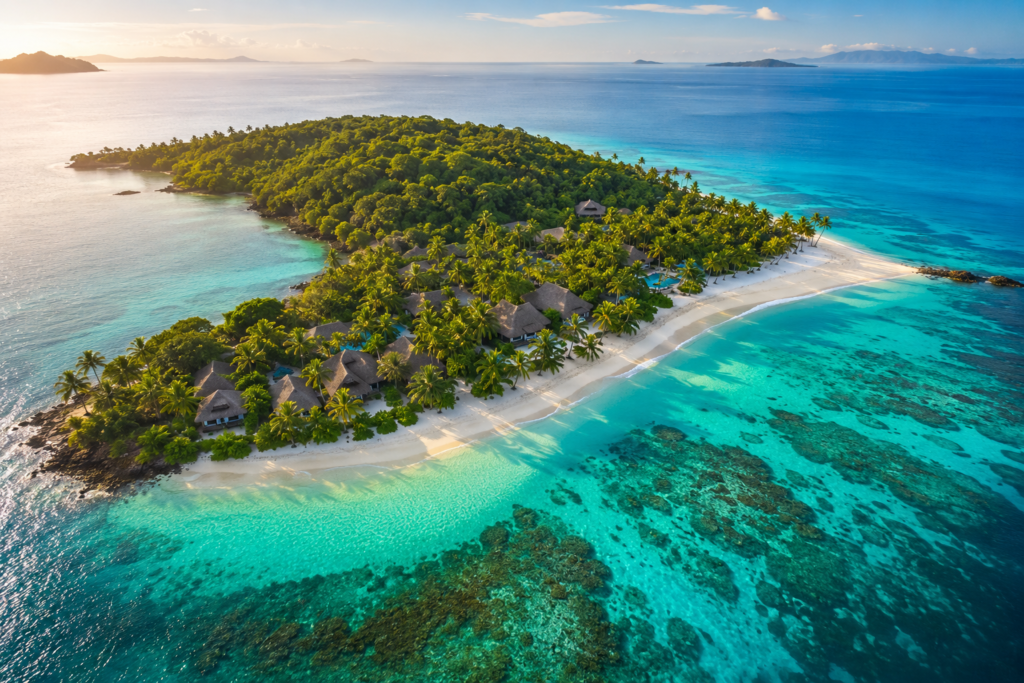
Final Thoughts
Fiji is far more than a beautiful collection of tropical islands—it is a destination where breathtaking natural scenery, vibrant marine life, rich cultural traditions and genuine hospitality combine to create unforgettable travel experiences. Whether your ideal holiday involves relaxing beneath coconut palms, exploring colourful coral reefs, hiking through rainforest to hidden waterfalls or immersing yourself in authentic Fijian culture, the islands offer something for every traveller.
The country’s remarkable diversity means no two visits are ever quite the same. You might spend one holiday discovering luxurious private islands and award-winning spas, then return to explore remote villages, volcanic landscapes and world-class dive sites that reveal entirely new perspectives on this extraordinary destination. It is this balance of adventure, relaxation and cultural authenticity that continues to place Fiji among the world’s most desirable tropical escapes.
As your holiday draws to a close and you hear one final cheerful “Bula” before boarding your flight home, you’ll likely understand why so many visitors leave already planning their return. Fiji has a unique ability to slow the pace of life, encourage meaningful connections and remind travellers of the simple joy found in warm sunshine, crystal-clear water and genuine human kindness. Whether it is your first visit or your fifth, Fiji promises memories that will remain long after your footprints have disappeared from its pristine white-sand beaches.
-
Queenstown, New Zealand Travel Guide: The Ultimate Guide to New Zealand’s Adventure Capital
Nestled on the shores of the crystal-clear Lake Whakatipu and surrounded by the dramatic peaks of New Zealand’s Southern Alps, Queenstown is one of those destinations that somehow exceeds every expectation. Whether you’ve seen photographs of snow-capped mountains reflected in turquoise water or watched videos of thrill-seekers launching themselves from suspension bridges, nothing quite prepares you for arriving in person. The scenery feels almost cinematic, yet this vibrant alpine town is much more than simply a beautiful backdrop. It is a place where adventure, luxury, world-class dining, wine, hiking, skiing and relaxation all come together in one unforgettable destination.
Known internationally as the Adventure Capital of New Zealand, Queenstown attracts visitors throughout every season. During winter the mountains transform into a playground for skiers and snowboarders, while summer brings hikers, cyclists, kayakers and photographers eager to explore the region’s spectacular landscapes. Autumn paints the surrounding valleys in brilliant shades of gold and crimson, while spring fills alpine meadows with colourful wildflowers. This year-round appeal has helped Queenstown become one of New Zealand’s most visited destinations, with the official tourism organisation highlighting everything from adventure and hiking to food, wine, culture and family experiences.
One of Queenstown’s greatest strengths is its location. Sitting almost exactly in the centre of New Zealand’s Southern Lakes region, it provides easy access to destinations including Glenorchy, Arrowtown, Gibbston Valley, Milford Sound, Fiordland National Park and Mount Aspiring National Park. Many visitors use Queenstown as their base while exploring the wider South Island, but it quickly becomes apparent that the town itself deserves several days of exploration.
Unlike many mountain destinations that become quiet outside the ski season, Queenstown remains lively throughout the year. Waterfront cafés are filled with visitors enjoying breakfast beside the lake, boutique stores line the compact town centre, restaurants serve everything from gourmet tasting menus to iconic Kiwi burgers, and adventure operators offer experiences ranging from scenic cruises to helicopter flights and bungy jumps. The town manages to feel both energetic and relaxed, making it equally appealing to honeymooners, families, solo travellers and groups of friends.
Why Visit Queenstown?
There are very few places in the world where you can begin the morning hiking through alpine landscapes, spend the afternoon sampling award-winning Pinot Noir at a vineyard, enjoy a luxury spa overlooking the mountains, and finish the day dining beside a glacial lake while watching the sunset reflect across snow-covered peaks.
Queenstown has built its international reputation on adventure tourism, but limiting it to adrenaline activities would be doing the destination a disservice. The official tourism website highlights experiences including sightseeing, walking and hiking, biking, golf, shopping, cafés, restaurants, wineries, skiing, family activities and cultural experiences, demonstrating just how diverse the region has become.
Many visitors arrive expecting to try a few famous adventure activities before moving on to the next destination. Instead, they often extend their stay after discovering the region’s hiking trails, luxury lodges, world-renowned wineries and remarkable food scene. The combination of natural beauty and sophisticated hospitality creates an experience unlike almost anywhere else in the Southern Hemisphere.
Getting to Queenstown
Queenstown is located in the southwest of New Zealand’s South Island and is serviced by Queenstown Airport, which receives direct flights from major New Zealand cities including Auckland, Wellington and Christchurch, as well as seasonal international services. Once you arrive, reaching the town centre takes only around fifteen minutes by shuttle, taxi or rental car.
For travellers already exploring the South Island, driving into Queenstown is an unforgettable experience. Roads wind through mountain passes, alongside turquoise rivers and through broad alpine valleys that seem almost too beautiful to be real. The drive from Christchurch takes approximately six hours, while Wanaka lies just over an hour away via the scenic Crown Range Road.
Hiring a car is highly recommended if you plan to explore surrounding destinations such as Glenorchy, Arrowtown, Gibbston or Fiordland. However, visitors staying primarily within Queenstown itself will find the compact town highly walkable.
Lake Whakatipu – The Heart of Queenstown
Everything in Queenstown revolves around Lake Whakatipu, New Zealand’s third-largest lake. Stretching for more than 80 kilometres through spectacular mountain scenery, the lake forms the visual centrepiece of the region.
Every morning begins with sunlight gradually illuminating The Remarkables mountain range as reflections ripple across the lake’s glass-like surface. Throughout the day, visitors stroll along the waterfront promenade, rent kayaks, enjoy scenic cruises or simply sit with coffee while watching seaplanes and boats glide across the water.
The lake itself has fascinating Māori legends associated with its unusual lightning-bolt shape. According to tradition, the rhythmic rise and fall of the lake reflects the heartbeat of a sleeping giant hidden beneath the mountains. Scientifically, these changes are known as “seiches,” natural oscillations caused by wind and atmospheric pressure.
The waterfront remains one of the best places to begin exploring Queenstown. Wide walking paths connect gardens, cafés, restaurants and Steamer Wharf, creating an atmosphere that feels lively without becoming overwhelming.
Sunrise photographers should make the waterfront their first stop. Calm morning conditions often create mirror-like reflections of Cecil Peak, Walter Peak and The Remarkables, producing some of New Zealand’s most iconic landscape photographs.
Exploring Queenstown Town Centre
One of Queenstown’s greatest advantages is its compact layout. Unlike sprawling resort towns requiring constant transport, almost everything within central Queenstown can be reached on foot.
The streets surrounding Camp Street, Shotover Street and the waterfront are filled with boutique outdoor stores, designer fashion retailers, art galleries, souvenir shops and cafés. Walking through town reveals a wonderful blend of modern alpine architecture and historic buildings that reflect Queenstown’s gold mining heritage.
The atmosphere changes throughout the day. Early mornings belong to coffee lovers, walkers and photographers. By afternoon, restaurants fill with visitors enjoying long lunches beside the lake, while evenings bring a vibrant nightlife scene centred around bars, wine lounges and live music venues.
The town is also exceptionally clean and well maintained, contributing to Queenstown’s reputation as one of the world’s most attractive alpine destinations.
Skyline Queenstown Gondola
No first visit to Queenstown is complete without riding the Skyline Gondola to Bob’s Peak.
The steep gondola ascends high above the town, revealing increasingly spectacular views across Lake Whakatipu, Queenstown, The Remarkables, Cecil Peak and the surrounding Southern Alps.
Once at the summit, visitors can simply enjoy panoramic viewing platforms or continue with additional activities including the famous Skyline Luge, mountain biking trails, guided stargazing experiences and several walking tracks. The official tourism website highlights Skyline as one of Queenstown’s signature sightseeing experiences.
The Stratosfare Restaurant & Bar sits at the summit, offering buffet dining accompanied by some of New Zealand’s finest views. Booking a sunset dinner is particularly worthwhile as the changing light transforms the surrounding mountains from brilliant gold to deep purple.
Queenstown Gardens
Just a short walk from the town centre lies one of Queenstown’s most peaceful attractions.
The Queenstown Gardens occupy a peninsula extending into Lake Whakatipu and provide a welcome contrast to the town’s energetic atmosphere.
Beautiful flower gardens, towering exotic trees, lakeside walking paths and sculptures create a relaxing environment perfect for slow mornings or afternoon strolls. Visitors frequently hire bikes, play frisbee golf or simply relax beneath mature trees overlooking the lake.
The gardens become especially beautiful during autumn when brilliant shades of red, orange and gold transform the landscape into one of New Zealand’s finest seasonal displays.
Where to Eat in Queenstown
Queenstown’s food scene has evolved into one of New Zealand’s best, ranging from casual cafés to internationally recognised fine dining.
Perhaps the most famous restaurant is Fergburger, whose gourmet burgers have become something of a pilgrimage for visitors. Long queues are common throughout the day, but online ordering significantly reduces waiting times.
For modern New Zealand cuisine, Rātā, created by chef Josh Emett, showcases seasonal local ingredients in an elegant yet approachable setting.
Botswana Butchery remains one of Queenstown’s premier fine dining restaurants. Located near the waterfront, it specialises in premium New Zealand lamb, beef, venison and seafood while offering an extensive wine list.
Those seeking creative flavours should book Blue Kanu, where Polynesian and Asian influences combine to produce one of Queenstown’s most distinctive dining experiences. It is consistently recommended by locals and visitors alike.
For breakfast, Yonder has become one of the town’s favourite cafés, serving excellent coffee alongside generous brunch dishes featuring fresh local produce.
Where to Stay
Accommodation ranges from backpacker hostels through to some of New Zealand’s finest luxury hotels.
For absolute luxury, Eichardt’s Private Hotel occupies one of the most prestigious waterfront locations in Queenstown, combining historic elegance with exceptional service.
The Rees Hotel offers spacious suites overlooking Lake Whakatipu and remains popular among travellers seeking quieter surroundings while remaining close to the town centre.
Kamana Lakehouse has become increasingly popular thanks to its elevated lake views, contemporary design and excellent restaurant.
Travellers seeking boutique accommodation often choose QT Queenstown, while those wanting apartment-style facilities frequently stay at Peppers Beacon.
Budget-conscious visitors will find numerous hostels, holiday parks and serviced apartments throughout Queenstown and nearby Frankton, reflecting the broad range of accommodation highlighted by the official tourism website.
Amazon Travel Essential
Exploring Queenstown often involves walking, scenic drives and day trips, making the Osprey Daylite Plus Backpack an excellent travel companion. Its compact size is ideal for carrying water, camera gear, extra clothing and snacks while remaining comfortable during full days of sightseeing.
Discover Glenorchy – One of New Zealand’s Most Scenic Drives
If there is one day trip that every visitor to Queenstown should make, it is the journey to Glenorchy. Located approximately 45 kilometres northwest of Queenstown, the drive hugs the edge of Lake Whakatipu and is regularly ranked among the most beautiful roads in the world. Snow-capped mountains rise dramatically above the lake, native beech forests line sections of the highway, and countless lookouts provide opportunities to stop for photographs.
Unlike many scenic drives that feel repetitive after a while, every corner along the Glenorchy-Queenstown Road reveals another spectacular perspective. The lake constantly changes colour depending on the sunlight, shifting from deep sapphire blue to brilliant turquoise, while the surrounding mountains create an ever-changing backdrop. Early morning offers calm conditions and mirror-like reflections, while late afternoon bathes the landscape in warm golden light that photographers love.
Glenorchy itself is a charming alpine settlement with fewer than five hundred permanent residents. Despite its small size, it has become internationally recognised thanks to its extraordinary scenery and its role as a filming location for productions including The Lord of the Rings, The Hobbit, The Chronicles of Narnia and Mission: Impossible. Walking along the famous Glenorchy Wharf provides uninterrupted views across the lake toward Mount Earnslaw and the Humboldt Mountains, creating one of New Zealand’s most photographed landscapes.
Visitors should allow at least half a day for the return trip, although a full day is ideal. Several walking tracks begin around Glenorchy, including routes into Mount Aspiring National Park, while horseback riding, jet boating and scenic flights are also popular experiences. The official Destination Queenstown website highlights Glenorchy as one of the region’s premier scenic excursions thanks to its natural beauty and outdoor adventures.
⸻
Arrowtown – A Journey into New Zealand’s Gold Rush History
Only twenty minutes from Queenstown lies Arrowtown, one of New Zealand’s most beautifully preserved historic towns. Established during the Otago Gold Rush of the 1860s, Arrowtown has retained much of its original character, with restored cottages, heritage buildings and tree-lined streets creating an atmosphere unlike anywhere else in the country.
Walking along Buckingham Street feels like stepping back in time. Boutique shops occupy beautifully restored stone buildings, independent galleries showcase local artists, and cafés spill onto quiet footpaths beneath mature trees. Unlike Queenstown’s energetic pace, Arrowtown encourages visitors to slow down and simply wander.
Autumn is perhaps the town’s most famous season. Thousands of deciduous trees transform into brilliant shades of red, orange and gold, making Arrowtown one of New Zealand’s premier autumn destinations. Photographers travel from around the world to capture the colourful streets framed by the surrounding mountains.
History enthusiasts should visit the Lakes District Museum, which tells the fascinating story of the region’s gold mining heritage through interactive exhibits, historical photographs and original artefacts. Nearby, the Chinese Settlement provides an important insight into the lives of Chinese miners who arrived during the gold rush and established a small community along Bush Creek.
Arrowtown’s food scene is equally impressive. The Dishery is popular for breakfast and brunch, while The Chop Shop Food Merchants serves excellent coffee and seasonal lunches. For fine dining, Aosta has earned a reputation for combining Italian-inspired cuisine with Central Otago produce, creating one of the South Island’s most highly regarded restaurants.
⸻
The Gibbston Wine Region
Many visitors are surprised to discover that Queenstown sits at the heart of one of New Zealand’s premier wine regions. The Gibbston Valley, located just twenty-five minutes from town, is internationally recognised for producing exceptional Pinot Noir, alongside Chardonnay, Riesling and Pinot Gris.
The cool climate, rocky soils and long growing season create ideal conditions for viticulture, resulting in elegant wines that consistently receive international awards. Visiting several wineries during your stay provides an entirely different perspective on the Queenstown region and offers a welcome contrast to the area’s adventure activities.
Gibbston Valley Winery remains one of the region’s most famous producers. Visitors can tour New Zealand’s largest wine cave before enjoying guided tastings featuring award-winning wines paired with local cheeses. The restaurant showcases seasonal Central Otago ingredients while overlooking surrounding vineyards.
Nearby, Amisfield Restaurant and Cellar Door has become one of New Zealand’s most celebrated dining destinations. Its multi-course tasting menu changes regularly to reflect seasonal produce sourced from throughout the South Island, while the accompanying wines highlight the diversity of Central Otago viticulture.
Other outstanding wineries include Peregrine Wines, recognised for its striking architectural cellar door, Chard Farm, dramatically positioned above the Kawarau Gorge, and Kinross Winery, which represents several boutique wine labels within a relaxed tasting environment.
Many visitors choose organised wine tours, allowing them to sample multiple vineyards without worrying about driving. Cycling tours have also become increasingly popular, following dedicated trails that connect wineries through spectacular alpine scenery.
⸻
The TSS Earnslaw – Queenstown’s Floating Icon
One of Queenstown’s most historic attractions is the TSS Earnslaw, a beautifully restored Edwardian steamship that has been crossing Lake Whakatipu since 1912.
Often referred to as the “Lady of the Lake,” the vessel offers visitors an opportunity to experience Queenstown from the water while enjoying panoramic views of the surrounding mountains. Watching the enormous steam engines operating below deck is a highlight, as few ships of this kind remain in service anywhere in the world.
The cruise to Walter Peak High Country Farm remains particularly popular. Upon arrival, visitors enjoy farm demonstrations featuring sheep dogs, sheep shearing and other aspects of traditional New Zealand farming before returning to Queenstown aboard the Earnslaw.
Sunset cruises are especially memorable, with the changing light reflecting across Lake Whakatipu as The Remarkables gradually turn shades of pink and purple.
⸻
Adventure Capital of the World
Queenstown has earned its title as the Adventure Capital of the World through decades of innovation and breathtaking experiences.
Perhaps the most famous activity is bungy jumping, pioneered by AJ Hackett. The Kawarau Bridge Bungy, where commercial bungy jumping first began, continues attracting thrill-seekers from around the world. Watching jumpers leap 43 metres toward the turquoise Kawarau River below remains entertaining even for those who prefer keeping their feet firmly on the ground.
Another iconic experience is the Shotover Jet, where powerful jet boats speed through narrow canyons while performing exhilarating 360-degree spins just metres from towering rock walls. It remains one of Queenstown’s signature attractions and consistently ranks among New Zealand’s top-rated adventure experiences.
For visitors seeking something slightly less intense, scenic helicopter flights provide unforgettable perspectives across glaciers, alpine lakes and snow-covered mountains. Many include glacier landings or gourmet picnics in remote locations accessible only by air.
Paragliding, skydiving, white-water rafting, canyon swinging and ziplining are just some of the many activities available throughout the region, ensuring visitors of every confidence level can find an adventure that suits them.
⸻
Onsen Hot Pools – Relaxation with a View
After days spent hiking or exploring, few experiences compare with soaking in the famous Onsen Hot Pools overlooking the Shotover River.
Private cedar-lined hot pools are positioned high above the canyon, with floor-to-ceiling windows opening completely to reveal uninterrupted mountain views. During winter, sitting in steaming mineral water while snow falls outside creates an unforgettable experience, while summer evenings offer spectacular sunsets across the surrounding peaks.
Bookings often sell out well in advance, particularly during school holidays and ski season, so reserving ahead is strongly recommended.
⸻
Queenstown’s Café Culture
Coffee plays an important role in daily life throughout Queenstown, and the town’s café scene reflects its reputation as an international destination.
Vudu Café & Larder is a long-time favourite for artisan pastries, excellent coffee and generous breakfasts. Bespoke Kitchen focuses on healthy seasonal meals and caters well for vegetarian and gluten-free diners, while Yonder continues attracting both locals and visitors with creative brunch dishes and specialty coffee.
Many cafés source produce directly from Central Otago farms, ensuring menus change with the seasons while showcasing regional ingredients.
⸻
Luxury Accommodation
Queenstown has become one of Australasia’s premier luxury destinations, with accommodation ranging from elegant boutique hotels to internationally renowned lodges.
Matakauri Lodge, located a short drive from central Queenstown, consistently ranks among New Zealand’s finest luxury properties. Overlooking Lake Whakatipu with panoramic views of Cecil Peak, Walter Peak and The Remarkables, the lodge combines exceptional service with spacious suites and outstanding cuisine.
Rosewood Matakauri, Blanket Bay, and Azur Lodge provide similarly exclusive experiences, offering privacy, world-class hospitality and spectacular scenery.
Travellers seeking central locations often choose Sofitel Queenstown Hotel & Spa, which combines French-inspired elegance with convenient access to restaurants, shopping and the waterfront.
⸻
Amazon Travel Essential
With so many incredible landscapes to photograph, the Sony Alpha a6700 Mirrorless Camera is an outstanding companion for Queenstown. Whether capturing sunrise over Lake Whakatipu, autumn colours in Arrowtown or panoramic mountain views from Glenorchy, its image quality makes it an excellent choice for travel photography.
Ben Lomond Track – Queenstown’s Ultimate Hike
For visitors wanting to experience Queenstown’s alpine scenery beyond the viewpoints around town, the Ben Lomond Track is widely regarded as one of New Zealand’s greatest day hikes. Rising above Queenstown to an elevation of 1,748 metres, the summit rewards hikers with breathtaking panoramic views stretching across Lake Whakatipu, The Remarkables, Cecil Peak, Walter Peak, Mount Aspiring National Park and countless snow-capped peaks disappearing into the distance.
The walk begins near the Skyline Gondola complex, allowing many visitors to save time and energy by taking the gondola to Bob’s Peak before starting the hike. The initial section follows a well-maintained trail through native beech forest before emerging into open alpine grasslands where the scenery becomes increasingly dramatic with every step.
The final climb to the summit is steep and exposed, requiring reasonable fitness, but the reward is extraordinary. Standing on the summit, surrounded by the Southern Alps in every direction, provides one of the defining experiences of any visit to Queenstown.
Conditions can change rapidly in alpine environments, particularly outside summer. Visitors should always check weather forecasts before setting out and carry warm clothing regardless of the season. Even during midsummer, temperatures at the summit can be significantly cooler than those in town.
⸻
The Remarkables
No mountain range defines Queenstown quite like The Remarkables. Their jagged peaks dominate the skyline, rising dramatically above Lake Whakatipu and creating one of New Zealand’s most recognisable landscapes.
During winter, The Remarkables Ski Area becomes one of the country’s premier snow destinations, attracting skiers and snowboarders from around the world. Modern lifts, terrain parks, beginner slopes and advanced alpine terrain cater for every skill level while spectacular views accompany almost every run.
Summer transforms the mountains into a paradise for hikers, photographers and sightseers. Walking tracks reveal alpine wildflowers, rocky ridgelines and sweeping views across Central Otago. Even visitors with no intention of hiking often drive the scenic access road simply to experience the incredible mountain scenery.
Sunrise and sunset are particularly magical. The mountains glow with shades of pink, orange and gold while Lake Whakatipu reflects the changing colours beneath them.
⸻
Coronet Peak
Another outstanding destination near Queenstown is Coronet Peak, located only twenty minutes from town. During winter it offers excellent skiing and snowboarding, including New Zealand’s famous night skiing sessions.
Outside the ski season, Coronet Peak provides spectacular scenic drives and numerous walking opportunities. The summit road offers panoramic viewpoints that overlook Queenstown, Arrowtown and the surrounding mountain ranges, making it one of the easiest ways to experience alpine scenery without undertaking a long hike.
Mountain bikers also flock to Coronet Peak during summer when purpose-built trails provide thrilling descents suitable for a wide range of abilities.
⸻
Milford Sound – The Ultimate Day Trip
Although Milford Sound lies several hours from Queenstown, it remains one of the region’s most popular excursions and consistently ranks among New Zealand’s greatest natural attractions.
The journey itself is unforgettable. Travelling through Fiordland National Park, the road passes glacier-carved valleys, alpine lakes, dense rainforest and towering waterfalls before reaching the dramatic fiord.
Milford Sound is famous for its vertical granite cliffs rising directly from dark waters, permanent waterfalls cascading hundreds of metres down mountain faces and frequent encounters with wildlife including seals, dolphins and Fiordland crested penguins.
Many visitors choose guided coach tours that include scenic stops along the Milford Road before joining a nature cruise through the fiord. Others prefer scenic flights or fly-cruise-fly experiences that dramatically reduce travel time while providing extraordinary aerial views across Fiordland’s wilderness.
Whether arriving by road, air or water, Milford Sound consistently leaves visitors speechless and is widely considered one of the highlights of any South Island itinerary.
⸻
Shopping in Queenstown
Queenstown’s compact town centre offers an enjoyable shopping experience combining international brands with locally owned boutiques.
Outdoor enthusiasts will find stores specialising in hiking, skiing, camping and adventure equipment, while fashion lovers can browse designer clothing, New Zealand merino wool garments and handcrafted jewellery.
Art galleries throughout town showcase paintings, photography, sculpture and Māori-inspired artwork created by South Island artists, making them excellent places to purchase meaningful souvenirs.
Local food stores also offer artisan chocolates, Manuka honey, Central Otago wines, craft spirits and specialty products that reflect the region’s agricultural heritage.
⸻
Best Time to Visit Queenstown
One of Queenstown’s greatest strengths is that there is never a bad time to visit. Each season offers entirely different experiences.
Summer (December – February)
Long daylight hours, warm temperatures and generally stable weather make summer perfect for hiking, cycling, kayaking, scenic flights and lake activities. Restaurants extend outdoor dining areas while festivals create a lively atmosphere throughout town.
Autumn (March – May)
Many locals consider autumn the most beautiful season. Deciduous trees surrounding Queenstown and Arrowtown turn brilliant shades of red, orange and gold while temperatures remain comfortable for outdoor exploration.
Winter (June – August)
Winter transforms Queenstown into New Zealand’s premier alpine destination. Nearby ski fields become fully operational while snow-covered mountains create spectacular scenery even for non-skiers. Cosy restaurants, luxury lodges and hot pools add to the atmosphere.
Spring (September – November)
Spring brings blooming wildflowers, waterfalls fed by melting snow and fewer crowds than peak summer months. It provides an excellent balance between scenery, activities and value.
⸻
Suggested Itineraries
Three-Day Itinerary
Day One: Explore Queenstown’s waterfront, ride the Skyline Gondola, visit Queenstown Gardens and enjoy dinner at Botswana Butchery.
Day Two: Drive to Glenorchy, stop at scenic lookouts, walk the Glenorchy Wharf and return via lakeside viewpoints before relaxing at Onsen Hot Pools.
Day Three: Visit Arrowtown and the Gibbston wine region before returning to Queenstown for sunset beside Lake Whakatipu.
⸻
Five-Day Itinerary
Spend the first three days following the above itinerary before adding:
Day Four: Full-day Milford Sound excursion.
Day Five: Hike Ben Lomond Track or enjoy adventure activities such as Shotover Jet, paragliding or helicopter sightseeing.
⸻
Seven-Day Itinerary
With a full week available, visitors can comfortably experience nearly everything Queenstown has to offer.
Add:
- Coronet Peak
- The Remarkables
- Additional wineries
- Scenic helicopter flight
- Walter Peak Farm tour aboard the TSS Earnslaw
- Relaxing lakeside days
- Shopping and café hopping
- Optional day trip to Wanaka
This itinerary balances adventure, relaxation, food, wine and sightseeing while allowing enough flexibility to enjoy the region at a comfortable pace.
⸻
Practical Travel Tips
Queenstown is highly walkable, but comfortable footwear is essential due to the amount of walking involved.
Weather changes quickly, particularly in alpine environments. Packing lightweight waterproof clothing and warm layers is recommended regardless of the season.
Restaurant reservations are strongly advised during holidays, especially for popular venues including Botswana Butchery, Rātā and Amisfield.
If hiring a vehicle, remember that New Zealand drives on the left-hand side of the road. Mountain roads are generally excellent but require extra care during winter when snow or ice may be present.
Visitors planning multiple adventure activities should consider booking in advance, particularly during peak travel periods.
⸻
Why Queenstown Captures Hearts
Many destinations offer beautiful scenery. Others offer exciting activities or excellent food. Very few combine all of these elements as effortlessly as Queenstown.
The town has mastered the balance between adventure and luxury. One day might involve skiing, hiking or bungy jumping, while the next could be spent sipping Pinot Noir overlooking vineyards, relaxing in a private hot pool or enjoying award-winning cuisine beside Lake Whakatipu.
Equally important is the friendliness of the region. Local businesses, guides, restaurant staff and accommodation providers consistently receive praise for their welcoming attitude and genuine passion for sharing Queenstown with visitors.
The spectacular natural setting never feels overshadowed by tourism. Instead, development has generally complemented the surrounding landscape, allowing visitors to experience world-class facilities without losing the area’s remarkable alpine character.
⸻
Final Thoughts
Queenstown is more than New Zealand’s adventure capital—it is one of the world’s truly complete travel destinations. Surrounded by towering mountains, pristine lakes, vineyards, historic towns and extraordinary wilderness, it offers something memorable for every traveller.
Whether you’re standing on the summit of Ben Lomond watching sunrise illuminate the Southern Alps, cruising across Lake Whakatipu aboard the historic TSS Earnslaw, tasting award-winning Pinot Noir in Gibbston Valley, strolling beneath autumn trees in Arrowtown or watching the sun disappear behind Cecil Peak from Queenstown’s waterfront, every day feels filled with unforgettable moments.
Few destinations manage to leave such a lasting impression. The combination of spectacular scenery, exceptional hospitality, world-class dining and endless outdoor adventure ensures Queenstown remains firmly on the bucket list of travellers around the globe.
If you’re searching for a destination where luxury meets wilderness, adventure meets relaxation and every season offers something extraordinary, Queenstown deserves a place at the very top of your list.
-
Emerald Creek Falls Travel Guide: The Complete Guide to Mareeba’s Hidden Paradise
Discover One of Tropical North Queensland’s Most Beautiful Waterfalls
When most travellers think about Tropical North Queensland, iconic destinations like the Great Barrier Reef, Daintree Rainforest, and Kuranda usually come to mind. While these world-famous attractions certainly deserve their reputation, some of the region’s most rewarding experiences are found well away from the crowds. Tucked away within the rugged granite country west of Cairns lies Emerald Creek Falls, one of Queensland’s most spectacular yet surprisingly underappreciated waterfalls. Located within the Emerald Creek section of Dinden National Park, just outside Mareeba, this breathtaking destination combines crystal-clear swimming holes, towering granite boulders, scenic bushwalking, abundant wildlife, and some of the most photogenic landscapes in the Atherton Tablelands.
Unlike many waterfalls hidden deep within tropical rainforest, Emerald Creek Falls offers something entirely different. The surrounding landscape is characterised by open eucalyptus woodland, ancient granite outcrops, native grasslands, and wide open skies. During the dry season, golden grasses contrast beautifully with smooth grey granite boulders and the vibrant turquoise pools that give Emerald Creek its name. During the wet season, the waterfall transforms dramatically as powerful torrents of water thunder over the granite escarpment, creating an entirely different experience. This remarkable seasonal contrast means no two visits ever feel quite the same.
One of the reasons Emerald Creek Falls remains so special is that it has largely escaped the heavy tourism seen at many other Queensland waterfalls. While locals from Mareeba, Cairns and the Atherton Tablelands have enjoyed the area for generations, many interstate and international visitors still overlook it completely. That means you can often spend hours exploring the creek, swimming beneath the falls or photographing the landscape without encountering large crowds. Even during school holidays, the area generally feels peaceful compared to many of Australia’s better-known natural attractions.
The drive itself forms part of the adventure. Leaving the tropical coastline behind, the road climbs through Kuranda before emerging onto the drier landscapes of the Atherton Tablelands. As you descend toward Mareeba, the scenery changes noticeably. Dense rainforest gradually gives way to open woodland, termite mounds begin appearing beside the road, and granite hills dominate the horizon. The climate also becomes warmer and drier, with Mareeba enjoying over 300 sunny days each year. This transition between rainforest and savanna creates one of Australia’s most unique ecological regions and helps explain why Emerald Creek Falls feels so different from other waterfalls near Cairns.
For photographers, Emerald Creek Falls offers almost endless opportunities. Sunrise bathes the granite formations in soft golden light while long shadows stretch across the creek. During the middle of the day, crystal-clear pools reveal every submerged rock beneath vibrant blue water. Late afternoon provides warm directional light that enhances the colours of the surrounding woodland, while after heavy rain the waterfall becomes a powerful spectacle of white water crashing through the granite gorge. Every season reveals another side of this remarkable location.
Whether you’re planning a relaxing day swimming in natural pools, an adventurous hike across granite slabs, a wildlife photography trip, or simply looking to discover one of Far North Queensland’s hidden gems, Emerald Creek Falls deserves a place on every itinerary.
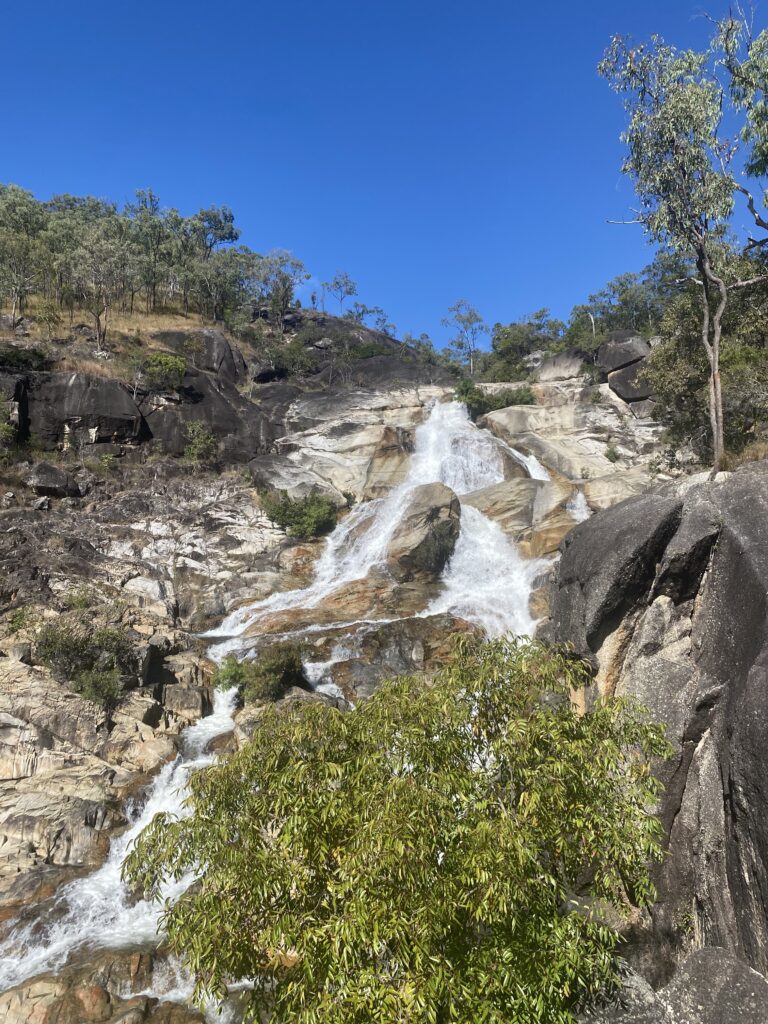
Where Is Emerald Creek Falls?
Emerald Creek Falls is located approximately 20 kilometres south of Mareeba and around 65 kilometres west of Cairns in Tropical North Queensland. The falls lie within Dinden National Park, a protected area managed by the Queensland Parks and Wildlife Service. Despite being less than ninety minutes from Cairns, the landscape feels completely different from the humid coastline. Visitors are instead greeted by rolling granite hills, scattered eucalyptus forests and open woodlands that are home to an impressive variety of native wildlife.
One of the great advantages of Emerald Creek Falls is its accessibility. Unlike some waterfalls that require four-wheel-drive vehicles or lengthy hikes, the falls can be reached using a conventional two-wheel-drive vehicle for most of the year. The final section follows a sealed road leading to a well-maintained car park equipped with picnic facilities, toilets and information boards. From there, a relatively easy walking track leads visitors to the creek and waterfall.
The drive from Cairns takes approximately one hour and fifteen minutes depending on traffic. Travelling via the Kennedy Highway through Kuranda provides spectacular views across the coastal rainforest before reaching the drier tablelands around Mareeba. Many visitors choose to combine Emerald Creek Falls with other nearby attractions such as Granite Gorge Nature Park, Davies Creek, Lake Tinaroo or the wineries surrounding Mareeba.
Those staying in Mareeba can reach the falls in around twenty minutes, making them an excellent morning or afternoon destination. The proximity also makes Emerald Creek Falls popular among local families looking for a refreshing swim during North Queensland’s warmer months.
Why Emerald Creek Falls Is Different From Other Waterfalls
Many of Queensland’s famous waterfalls are surrounded by dense rainforest. Josephine Falls, Millaa Millaa Falls, Crystal Cascades and Behana Gorge all offer beautiful tropical settings, but Emerald Creek Falls stands apart because of its distinctive granite landscape. Rather than being enclosed by towering rainforest trees, the falls flow through enormous granite boulders that have weathered over millions of years into smooth domes, shelves and natural swimming pools.
These granite formations create an almost sculptural landscape unlike anywhere else in the Cairns region. The creek twists through polished rock platforms before dropping over the main waterfall into large pools below. Smaller cascades continue downstream, creating numerous places to swim, relax or simply enjoy the sound of flowing water.
The surrounding open woodland also allows significantly more sunlight to reach the creek than many rainforest waterfalls. This enhances the brilliant colours of the water, producing striking turquoise and emerald tones under clear skies. Combined with the golden grasses and silver-grey granite, the scenery has a distinctly Australian character that differs dramatically from the lush rainforest environments found elsewhere in Tropical North Queensland.
Because the terrain is relatively open, visitors can explore much larger sections of the creek than at many waterfalls. Natural rock platforms provide comfortable places to sit, picnic or photograph the surrounding landscape without feeling confined to a single viewing platform.
Best Time to Visit Emerald Creek Falls
Although Emerald Creek Falls can be visited throughout much of the year, each season offers a unique experience.
During the dry season, typically from May until October, the weather is warm, humidity is low and water clarity reaches its peak. This period provides the best swimming conditions, with calm pools perfect for relaxing after the short walk from the car park. The reduced rainfall also makes the granite rocks less slippery and easier to explore. Blue skies dominate most days, making this the ideal season for landscape photography.
The shoulder months of April and November often provide an excellent balance between water flow and comfortable weather. Some seasonal rains maintain healthy creek levels while temperatures remain pleasant enough for swimming and hiking.
The wet season, generally from December through March, transforms Emerald Creek Falls into an entirely different destination. Heavy monsoonal rainfall dramatically increases water volume, creating an impressive waterfall cascading over the granite cliffs. While swimming is often unsafe during periods of high flow, photographers are rewarded with dramatic scenery and lush green vegetation that flourishes following seasonal rains.
Visitors should always check local weather conditions before travelling during the wet season. Flash flooding can occur rapidly after heavy rainfall, and creek crossings should never be attempted when water levels are rising.
For photographers seeking the best lighting, early morning remains the standout choice. Soft sunlight illuminates the granite formations while avoiding the harsh midday shadows common during North Queensland summers. Late afternoon also provides beautiful golden light as the sun begins dropping behind the surrounding hills.
Walking to the Falls
One of Emerald Creek Falls’ greatest strengths is that visitors of almost all fitness levels can enjoy the experience. From the main car park, a well-defined walking track gradually descends toward the creek through open woodland. The walk is relatively short, taking most visitors between fifteen and twenty minutes at a relaxed pace.
Along the track, interpretive signs introduce visitors to the local environment and explain some of the unique plant and animal species found within Dinden National Park. Towering bloodwoods, ghost gums, paperbarks and wattles provide intermittent shade while native grasses sway beneath the eucalyptus canopy.
The sound of flowing water gradually becomes louder as the trail approaches Emerald Creek. Eventually the trees open to reveal expansive granite slabs leading toward the falls. Many first-time visitors are surprised by the scale of the granite landscape, which stretches across a wide section of the valley and creates numerous interconnected pools and cascades.
The final approach involves walking carefully across natural rock surfaces. While generally straightforward during dry conditions, appropriate footwear is strongly recommended since smooth granite can become slippery when wet.
Swimming at Emerald Creek Falls
Swimming remains one of the biggest reasons people visit Emerald Creek Falls, particularly during the cooler months of the dry season. The creek forms numerous natural pools of varying depths, allowing visitors to choose between shallow areas suitable for paddling and deeper sections ideal for swimming.
The main pool beneath the waterfall provides a spectacular setting, with cool clear water surrounded by towering granite walls. Smaller pools downstream offer quieter alternatives for those seeking a more peaceful experience away from the main waterfall.
Water temperatures remain refreshing throughout much of the year without becoming uncomfortably cold. During the dry season, many visitors spend several hours moving between different pools, relaxing on sun-warmed granite slabs and enjoying picnics beside the creek.
While swimming conditions are generally excellent during periods of low flow, visitors should always assess conditions carefully. Following heavy rainfall, strong currents and submerged hazards may develop quickly. Granite rocks can also become extremely slippery, making caution essential when entering or exiting the water.

Wildlife Around Emerald Creek Falls
One of the greatest pleasures of visiting Emerald Creek Falls is the opportunity to experience Far North Queensland’s remarkable wildlife in its natural habitat. Unlike the dense rainforests closer to the coast, the open eucalyptus woodlands surrounding Emerald Creek support an entirely different range of species, many of which are uniquely adapted to Australia’s tropical savanna environments.
Early mornings often begin with the calls of kookaburras echoing across the valley while rainbow bee-eaters dart gracefully through the air catching insects in flight. Red-winged parrots, pale-headed rosellas, black cockatoos, dollarbirds and sacred kingfishers are frequently observed along the creek corridor, particularly during the dry season when birds concentrate around permanent water sources.
Mammals are equally impressive. Agile wallabies are commonly seen grazing among the grasses near dawn and dusk, while rock wallabies occasionally shelter among the granite boulders. The surrounding woodland also provides habitat for northern quolls, although these elusive carnivorous marsupials are rarely encountered due to their primarily nocturnal behaviour. Echidnas, brush-tailed possums and various native rodents also inhabit the area, contributing to the rich biodiversity of Dinden National Park.
Reptiles are another highlight. Lace monitors patrol the granite outcrops searching for food, while eastern water dragons bask beside the pools before disappearing into the water when disturbed. Numerous skinks, geckos and harmless snakes also form part of this healthy woodland ecosystem.
For wildlife photographers, patience is often rewarded. Simply sitting quietly beside the creek for an hour can reveal an astonishing diversity of birds and animals going about their daily lives.
Exploring Beyond the Main Falls
While the main waterfall is undoubtedly the centrepiece of Emerald Creek Falls, many visitors discover that the surrounding creek system is equally rewarding. Upstream and downstream from the main cascade, Emerald Creek winds its way through enormous granite slabs that have been sculpted by millions of years of flowing water. These polished rock formations create countless small waterfalls, tranquil rock pools, miniature rapids, and shallow swimming holes that invite exploration.
One of the joys of spending a full day at Emerald Creek Falls is simply wandering along the granite creek bed. Every bend reveals another picturesque scene. Smooth granite shelves provide ideal places to sit with your feet in the cool water, while deeper pools offer opportunities for another swim before continuing your exploration. Because the creek meanders through such a wide granite valley, visitors rarely feel confined to one location. Instead, the entire landscape becomes something to discover at your own pace.
Photographers are particularly rewarded by these quieter sections of the creek. Reflections of eucalyptus trees shimmer across still pools, while water flowing gently over granite creates beautiful long-exposure photography opportunities. During the dry season, the exceptionally clear water often reveals submerged boulders and sandy creek beds beneath brilliant shades of emerald and turquoise.
Families with children often enjoy these calmer sections even more than the main waterfall. Smaller pools provide safe paddling areas during suitable conditions, while the expansive granite platforms offer plenty of space for picnics and relaxing between swims.
⸻
The Geology Behind Emerald Creek Falls
One of the reasons Emerald Creek Falls feels so different from other waterfalls near Cairns is its remarkable geological history. The massive granite boulders surrounding the creek were formed hundreds of millions of years ago when molten magma slowly cooled deep beneath the Earth’s surface. Over countless millennia, erosion gradually removed the overlying rock, exposing the enormous granite bodies visible today.
Unlike softer rock types that erode relatively quickly, granite is extremely resistant to weathering. However, even granite slowly changes over time. Daily heating and cooling cause the rock to expand and contract, while flowing water smooths rough surfaces into rounded formations. Small cracks gradually widen until entire sections break away, producing the enormous boulders scattered throughout Emerald Creek.
The creek itself continues shaping the landscape today. During the wet season, powerful floodwaters transport sand and smaller rocks downstream. These natural abrasives slowly polish the granite into the smooth surfaces visitors walk across today. Circular potholes carved into the rock provide evidence of this ongoing process, having formed where swirling stones repeatedly ground away at the granite over thousands of years.
The striking contrast between pale granite, deep blue skies, golden grasses and emerald water gives Emerald Creek Falls its distinctive visual appeal and makes it one of the most photogenic geological landscapes in Tropical North Queensland.
⸻
Photography Guide
For photographers, Emerald Creek Falls offers outstanding opportunities throughout the year. Whether you’re using a professional camera or simply a smartphone, the combination of dramatic granite formations, clear water and open woodland creates endless compositions.
Sunrise is widely considered the best time to visit. The first rays of sunlight illuminate the granite boulders with soft golden tones while long shadows add depth to the landscape. Wildlife activity is also at its highest during the early morning, increasing the chances of photographing birds and mammals.
Mid-morning provides ideal lighting for capturing the brilliant colours of the swimming holes. With the sun higher in the sky, light penetrates the crystal-clear water, revealing submerged rocks beneath stunning shades of blue and green.
Late afternoon creates another magical atmosphere. Warm sunlight strikes the western faces of the granite outcrops while the surrounding eucalyptus woodland glows with rich golden colours. This is also an excellent time for photographing people enjoying the creek, as softer light produces more flattering portraits.
Long-exposure photography is particularly rewarding at Emerald Creek Falls. Even during lower water levels, silky water flowing over polished granite creates beautiful compositions when photographed using neutral density filters or slower shutter speeds.
Autumn and winter generally provide the clearest skies, while the wet season offers dramatic clouds, lush vegetation and powerful waterfall flows that completely transform the landscape.
⸻
Wildlife and Birdwatching
Emerald Creek Falls sits within an incredibly diverse ecological region where tropical rainforest species overlap with those of Australia’s northern savannas. This transition zone supports an impressive variety of wildlife, making every visit different.
Birdwatchers often arrive before sunrise when activity reaches its peak. Rainbow bee-eaters perform spectacular aerial displays above the creek, while black-faced cuckoo-shrikes, apostlebirds, grey-crowned babblers and pale-headed rosellas forage through nearby woodland.
The towering eucalyptus trees provide nesting sites for sulphur-crested cockatoos, little corellas and red-tailed black cockatoos. During flowering seasons, lorikeets and honeyeaters gather in large numbers to feed on nectar-rich blossoms.
Butterflies are particularly abundant during the warmer months. Ulysses butterflies occasionally wander out from nearby rainforest, while numerous grass yellows, wanderers and swallowtails patrol the creek margins.
The pools themselves support freshwater turtles, aquatic insects and numerous native fish species. Dragonflies hover continuously above the water while frogs become especially active after rainfall.
Visitors should always remember that Emerald Creek Falls lies within an intact natural ecosystem. Observing wildlife quietly and maintaining respectful distances ensures animals remain undisturbed while allowing everyone to enjoy authentic wildlife encounters.
⸻
Nearby Attractions
One of Emerald Creek Falls’ greatest advantages is its proximity to numerous other attractions throughout Mareeba and the Atherton Tablelands. Combining several destinations creates an unforgettable day trip or weekend escape.
Granite Gorge Nature Park
Located only a short drive away, Granite Gorge Nature Park offers another remarkable granite landscape together with one of Far North Queensland’s most famous wildlife experiences. Visitors can hand-feed Mareeba Rock Wallabies, an endangered subspecies found only within this region. The park also features walking trails through spectacular granite formations that complement the scenery found at Emerald Creek Falls.
Davies Creek
Davies Creek provides another excellent swimming destination with expansive granite slabs, crystal-clear pools and beautiful picnic areas. During the dry season it becomes one of the region’s favourite family swimming locations, while adventurous visitors can continue into Davies Creek National Park via four-wheel-drive tracks.
Mareeba Wetlands
Completely different from Emerald Creek’s rocky landscape, the Mareeba Wetlands showcase northern Australia’s incredible birdlife. Guided boat cruises and walking trails provide opportunities to observe jabirus, brolgas, jacanas, kingfishers, sea eagles, whistling kites and hundreds of other bird species.
Lake Tinaroo
Approximately forty-five minutes away, Lake Tinaroo offers boating, kayaking, fishing, camping and lakeside walking trails. The enormous freshwater lake provides another relaxing contrast to Emerald Creek Falls and is particularly popular during weekends.
Coffee Plantations
Mareeba produces much of Australia’s coffee, making a visit to one of the local plantations highly worthwhile. Coffee Works Mareeba remains one of the region’s best-known attractions, allowing visitors to sample freshly roasted coffee while learning about Australia’s coffee industry.
⸻
Where to Eat
After spending hours exploring Emerald Creek Falls, many visitors head into Mareeba for lunch or dinner. The town has developed an excellent food scene reflecting its multicultural history and surrounding agricultural region.
Coffee Works Mareeba
Part café, part museum and part chocolate factory, Coffee Works has become an essential stop for visitors exploring the Tablelands. Alongside exceptional locally roasted coffee, visitors can sample handmade chocolates, desserts and light meals while browsing one of Australia’s largest coffee collections.
The Hungry Pug
A favourite among locals, The Hungry Pug serves generous breakfasts, gourmet burgers, fresh salads and excellent coffee. The relaxed atmosphere makes it ideal after a morning at Emerald Creek Falls.
Gateway Hotel
The Gateway Hotel offers classic Australian pub meals in a comfortable setting. Steaks, seafood, schnitzels and locally sourced produce feature prominently on the menu, making it popular with both visitors and locals.
Pete’s Place
Known for hearty breakfasts and friendly service, Pete’s Place provides an excellent option before beginning your day exploring Emerald Creek Falls.
⸻
Accommodation
Whether you’re visiting for one night or planning a longer exploration of the Atherton Tablelands, several accommodation options suit different budgets.
Mareeba Motor Inn
Conveniently located in Mareeba, this comfortable motel provides modern rooms, a swimming pool and easy access to Emerald Creek Falls.
Jackaroo Motel
A popular choice for travellers seeking affordable accommodation while remaining close to local restaurants and attractions.
NRMA Atherton Tablelands Holiday Park
Perfect for caravans, campers and families, this well-equipped holiday park provides an excellent base for exploring Emerald Creek Falls and the wider Tablelands.
Mount Mulligan Lodge
For those seeking luxury, Mount Mulligan Lodge delivers one of Australia’s most exclusive outback experiences. Although located further west, many visitors combine Emerald Creek Falls with several nights enjoying this remarkable all-inclusive wilderness retreat.
⸻
Planning the Perfect Day
One of the best ways to experience Emerald Creek Falls is by arriving early. Leaving Cairns shortly after sunrise allows visitors to reach the falls before temperatures rise and before most other day-trippers arrive.
Spend the morning exploring the creek, swimming beneath the waterfall and photographing the granite landscape while soft light fills the valley. Pack a picnic or enjoy lunch back in Mareeba before visiting Coffee Works or Granite Gorge Nature Park during the afternoon.
If time allows, finish the day watching sunset from one of the granite lookouts surrounding Mareeba before returning to Cairns under clear tropical skies.
⸻
What to Pack
Although Emerald Creek Falls requires only a relatively short walk, appropriate equipment makes the experience considerably more enjoyable.
A comfortable Osprey Daylite Plus Backpack provides ample space for water, snacks, towels and camera gear while remaining lightweight during the walk.
Supportive footwear such as the Merrell Moab 3 Hiking Shoes offers excellent grip on smooth granite surfaces and greater comfort while exploring the creek.
Photographers will appreciate the outstanding image quality of the Sony Alpha a6700 Mirrorless Camera, particularly during sunrise and sunset when the landscape is at its most spectacular.
North Queensland’s warm climate makes hydration essential, and a durable YETI Rambler Water Bottle keeps drinks cool throughout the day.
Finally, an Anker PowerCore 20000 Portable Charger ensures phones, cameras and GPS devices remain fully charged during extended days exploring the Tablelands.
Hidden Gems Around Emerald Creek Falls
While most visitors spend their time around the main waterfall, taking a little extra time to explore the surrounding landscape reveals why Emerald Creek Falls is so highly regarded by locals. The creek extends well beyond the main cascade, flowing through an intricate network of granite shelves, hidden pools and quiet bends that are rarely photographed.
Walking carefully along the creek reveals dozens of smaller waterfalls that appear after seasonal rainfall. During the dry season, these same areas become peaceful rock pools where dragonflies skim across the water and birds arrive throughout the day to drink. The enormous granite slabs create countless natural viewing platforms where visitors can sit in complete silence, listening only to flowing water and birdsong.
Many photographers deliberately move away from the main waterfall to capture these quieter scenes. Reflections of ghost gums in still pools, weathered granite textures, scattered river stones and native grasses all provide compositions that showcase the unique beauty of Far North Queensland without another person in sight.
The surrounding hills are equally rewarding. Looking back toward Emerald Creek from elevated granite outcrops reveals sweeping views across Dinden National Park, where rolling eucalyptus woodland stretches towards Mareeba and the distant Atherton Tablelands. During the late afternoon, these landscapes glow with rich golden light that has earned Mareeba its reputation as one of Queensland’s sunniest destinations.
Seasonal Changes Throughout the Year
One of Emerald Creek Falls’ greatest strengths is that it never looks exactly the same twice. Every season brings a different character to the landscape, encouraging repeat visits throughout the year.
During the dry season, which generally extends from May through October, water levels become lower but exceptionally clear. The creek transforms into a series of brilliant emerald swimming holes connected by gentle cascades flowing across polished granite. Native grasses surrounding the creek turn golden, contrasting beautifully with the silver-grey rock formations and deep blue skies. Comfortable daytime temperatures and low humidity make this the most popular time for swimming, picnics and hiking.
Spring introduces warmer days while many native plants begin flowering. Wattles add bursts of yellow throughout the woodland, eucalyptus blossom attracts countless nectar-feeding birds, and butterflies become increasingly active around the creek.
With the arrival of the wet season, Emerald Creek undergoes an extraordinary transformation. Heavy tropical rainfall dramatically increases water flow, turning the normally peaceful creek into a powerful torrent that surges across the granite landscape. The waterfall itself becomes significantly larger, sending sheets of white water plunging into the gorge below. Vegetation responds rapidly, with fresh green growth covering hillsides that only weeks earlier were dry and golden.
Although swimming is often unsafe during periods of high flow, photographers frequently consider the wet season one of the most rewarding times to visit. Towering storm clouds, dramatic waterfalls and lush vegetation combine to create spectacular landscapes unlike anything seen during the dry months.
A Paradise for Nature Lovers
Emerald Creek Falls is more than simply a beautiful swimming destination—it forms part of a much larger protected ecosystem within Dinden National Park. This national park conserves important areas of tropical savanna woodland, granite escarpments, creek systems and wildlife habitat that support hundreds of native species.
The surrounding eucalyptus forests provide food and shelter for mammals including agile wallabies, echidnas, possums and northern quolls. The granite outcrops offer basking sites for reptiles while the permanent pools sustain aquatic life even during prolonged dry periods.
Bird diversity is particularly impressive. More than one hundred species have been recorded throughout the broader region, ranging from tiny fairy-wrens to impressive wedge-tailed eagles soaring above the granite hills. Rainbow bee-eaters frequently nest in sandy creek banks, while kingfishers patiently watch from overhanging branches waiting to catch small fish and aquatic insects.
Because Emerald Creek remains relatively undeveloped compared to many tourist destinations, wildlife encounters often feel remarkably authentic. Sitting quietly beside the creek for half an hour frequently reveals more than continuously walking through the landscape.
Responsible Travel
One reason Emerald Creek Falls has retained its natural beauty is that the majority of visitors respect the environment. Preserving this landscape ensures future generations can enjoy the same pristine experience.
Visitors should remain on established walking tracks wherever possible to minimise erosion and protect native vegetation. Although the granite slabs appear resilient, repeated trampling of surrounding plant communities can damage fragile ecosystems over time.
All rubbish should be removed from the park. Even biodegradable items such as fruit peels alter natural nutrient cycles and attract wildlife to human food sources.
Swimming should only occur in suitable conditions. Following heavy rainfall, water levels may rise quickly and hidden currents can develop beneath the surface. Visitors should never dive into unfamiliar pools, as submerged rocks may not be visible beneath the water.
Wildlife should always be observed from a respectful distance. Feeding native animals alters natural behaviour and may negatively affect their health.
Finally, visitors should avoid playing loud music. Much of Emerald Creek Falls’ appeal lies in its peaceful atmosphere, where the sounds of flowing water, birds and rustling eucalyptus leaves dominate the landscape.
Suggested Itineraries
Half-Day Visit
Visitors with limited time can comfortably experience Emerald Creek Falls within half a day. Arrive early in the morning, complete the walk to the falls, spend several hours swimming and exploring the creek, then return to Mareeba for lunch at Coffee Works or The Hungry Pug before continuing your journey.
Full-Day Adventure
A full day allows plenty of time to appreciate everything the area has to offer. Begin with sunrise photography at Emerald Creek Falls before swimming during the cooler morning hours. After lunch in Mareeba, continue to Granite Gorge Nature Park to see Mareeba Rock Wallabies before finishing the day watching sunset across the surrounding savanna landscape.
Weekend Escape
A weekend provides opportunities to experience much more of the Atherton Tablelands. Spend your first day exploring Emerald Creek Falls and nearby Davies Creek. On the second day, visit Mareeba Wetlands, Lake Tinaroo, local coffee plantations, wineries or continue through the Tablelands visiting waterfalls, volcanic lakes and rainforest villages.
Safety Tips
Although Emerald Creek Falls is suitable for most visitors, preparation remains important.
North Queensland temperatures can exceed 35°C during summer, making adequate water essential. Always carry more drinking water than you expect to need.
Granite becomes extremely slippery when wet. Walking slowly and wearing supportive footwear significantly reduces the risk of slipping.
Mobile phone reception varies throughout Dinden National Park, so visitors should inform someone of their plans before departing, particularly when exploring alone.
Summer storms can develop rapidly. If thunder is heard or heavy rainfall begins upstream, leave the creek immediately and move to higher ground.
Sun protection is also essential. The open woodland surrounding Emerald Creek provides less shade than rainforest environments, making hats, sunscreen and lightweight clothing highly recommended.
Why Emerald Creek Falls Deserves More Recognition
Despite being located less than ninety minutes from Cairns, Emerald Creek Falls remains overlooked by many visitors exploring Tropical North Queensland. This relative obscurity has become one of its greatest strengths.
Unlike heavily promoted tourist attractions, Emerald Creek still feels genuinely wild. There are no commercial developments beside the waterfall, no crowded viewing platforms and no queues waiting for photographs. Instead, visitors experience nature much as it has existed for countless generations.
The combination of polished granite, crystal-clear swimming holes, open eucalyptus woodland and remarkable biodiversity creates a landscape unlike anywhere else in Queensland. It represents the meeting point between tropical rainforest and Australia’s northern savannas—a transition that produces both spectacular scenery and extraordinary ecological diversity.
For photographers, hikers, swimmers, wildlife enthusiasts and anyone seeking a quieter alternative to Far North Queensland’s more famous attractions, Emerald Creek Falls offers an experience that feels both authentic and unforgettable.
Final Thoughts
Emerald Creek Falls demonstrates that some of Australia’s most rewarding destinations are not necessarily the most famous. While visitors often travel thousands of kilometres to see internationally recognised attractions, this remarkable corner of the Atherton Tablelands quietly delivers an experience every bit as memorable.
The beauty of Emerald Creek lies in its simplicity. There are no ticket booths, theme parks or commercial entertainment—just ancient granite sculpted by millions of years of flowing water, crystal-clear swimming holes, towering eucalyptus forests and an incredible diversity of native wildlife. Whether you’re photographing sunrise over polished granite, cooling off in emerald pools during a hot tropical afternoon, watching rainbow bee-eaters dart across the creek or simply sitting quietly beside flowing water, the landscape encourages visitors to slow down and appreciate the natural world.
As interest in sustainable and nature-based tourism continues to grow, Emerald Creek Falls is perfectly positioned to become one of Tropical North Queensland’s premier outdoor destinations. Yet even if its popularity increases, its vast granite landscapes and protected national park setting ensure it will always retain a sense of wilderness.
If you’re planning a trip to Cairns, Mareeba or the Atherton Tablelands, don’t limit yourself to the well-known attractions. Make time for Emerald Creek Falls. Arrive early, stay longer than you intended, explore beyond the main waterfall and let one of Queensland’s hidden gems reveal itself. Chances are, it will become one of the places you remember most long after your journey through Tropical North Queensland has ended.
-
Merzouga & the Sahara Desert, Morocco: The Ultimate Travel Guide to Morocco’s Golden Dunes
There are few places on Earth capable of making visitors feel as though they have stepped onto another planet. The Sahara Desert is one of them. Stretching across eleven countries in North Africa, it is the world’s largest hot desert, covering more than nine million square kilometres. While vast portions remain remote and inaccessible, the small Moroccan village of Merzouga has become one of the most celebrated gateways into this extraordinary landscape. Situated on the edge of the spectacular Erg Chebbi dunes, Merzouga offers travellers an unforgettable opportunity to experience towering sand dunes, traditional Berber hospitality, camel trekking, luxury desert camps and some of the clearest night skies anywhere in the world.
Unlike many destinations that rely solely on famous landmarks, Merzouga is defined by its atmosphere. Every sunrise transforms the dunes into rolling waves of gold, orange and deep amber. Every sunset paints the desert with soft pinks, fiery reds and warm copper tones before darkness reveals an astonishing blanket of stars. Time appears to slow down, allowing visitors to disconnect from busy schedules and reconnect with nature in one of Earth’s most timeless environments.
Whether you’re planning a luxury Moroccan holiday, a photography adventure, a cultural journey through Berber communities or an unforgettable honeymoon, Merzouga deserves a place on your itinerary. This guide covers everything you need to know before visiting, including the best time to travel, how to reach the desert, where to stay, what to eat and the experiences that make this corner of Morocco so unforgettable.
Located in southeastern Morocco near the Algerian border, Merzouga is a small village that serves as the main access point to Erg Chebbi, one of Morocco’s two major dune systems. Unlike the flatter stretches of desert found elsewhere in the country, Erg Chebbi features dramatic dunes rising up to 150 metres high and stretching for nearly 30 kilometres. Their constantly shifting shapes, sculpted by desert winds, create an ever-changing landscape that photographers and adventurers travel thousands of kilometres to witness.
For centuries, this region has been part of important caravan routes linking North Africa with sub-Saharan Africa. Traders transported salt, spices, gold and textiles across these challenging landscapes using camel caravans that sometimes travelled for months. Today, many local families trace their ancestry back to these ancient trade routes, preserving traditions that continue to shape life in the desert.
Despite increasing tourism, Merzouga has retained much of its authentic charm. Small guesthouses, family-run riads and locally operated desert camps dominate the accommodation scene rather than large international hotel chains. Visitors often find that their most memorable experiences come not from luxury alone but from sharing mint tea with local hosts, listening to traditional Gnawa music beneath the stars or watching the desert awaken in complete silence.
Reaching Merzouga requires planning, but the journey itself becomes part of the adventure. Most international visitors arrive in either Marrakech or Fes before travelling south through the Atlas Mountains. The route from Marrakech typically takes between nine and ten hours by car, passing dramatic mountain passes, ancient kasbahs and palm-filled valleys before eventually reaching the Sahara. Many travellers choose to split the drive over several days, allowing time to explore destinations such as Aït Benhaddou, Ouarzazate and the Dades Valley.
Travellers departing from Fes usually enjoy a slightly shorter journey of around seven to eight hours. This route passes cedar forests inhabited by Barbary macaques, alpine-style towns such as Ifrane and spectacular rocky landscapes before descending into the desert region. The changing scenery makes the drive one of Morocco’s most rewarding road trips.
For those who prefer not to drive, numerous guided tours operate from both Marrakech and Fes. These tours often include accommodation, meals, transportation and overnight stays in the desert, making them an excellent choice for first-time visitors. Private transfers are also widely available and provide greater flexibility for photographers and travellers wishing to stop at scenic viewpoints.
Although Merzouga can be visited year-round, each season offers a different experience. Autumn and spring are generally regarded as the best times to visit. Between September and November, daytime temperatures remain pleasantly warm while evenings become comfortably cool. The golden light during these months is particularly attractive for photography, and outdoor activities can be enjoyed without the intense summer heat.
Spring, from March through May, also offers excellent conditions. Clear skies, mild temperatures and comfortable evenings make camel trekking and desert camping particularly enjoyable. Occasionally, small desert flowers appear following winter rainfall, adding unexpected colour to the surrounding landscape.
Summer presents a very different experience. Between June and August, daytime temperatures frequently exceed forty degrees Celsius. While many travellers avoid the hottest months, early morning and evening remain surprisingly comfortable, and accommodation prices often become more affordable. Visitors choosing to travel during summer should remain hydrated and avoid strenuous outdoor activities during midday.
Winter transforms the Sahara in unexpected ways. While afternoons remain sunny and pleasant, nighttime temperatures can fall close to freezing. Travellers staying overnight in desert camps should pack warm clothing, including insulated jackets, hats and gloves. Watching sunrise across cool desert dunes while wrapped in blankets creates a magical atmosphere unlike any other season.
One of Merzouga’s greatest attractions is simply watching the changing colours of Erg Chebbi throughout the day. Sunrise begins with soft blue shadows stretching across the dunes before golden sunlight gradually illuminates the landscape. During midday, the sand reflects bright orange tones beneath crystal-clear skies. As evening approaches, colours deepen into rich reds, burnt orange and warm bronze before fading beneath countless stars.
Many visitors choose to climb one of the highest dunes before sunrise or sunset. Although walking through soft sand can be physically demanding, the panoramic views reward every step. Looking across endless waves of sand while hearing nothing but the gentle wind creates a profound sense of peace rarely experienced elsewhere.
Photography enthusiasts often spend hours exploring the constantly shifting dune formations. Wind creates intricate ripple patterns across untouched sand each morning, while isolated camel tracks add scale and visual interest. Because the landscape changes daily, no two visits ever produce identical photographs.
Camel trekking remains one of Merzouga’s signature experiences and offers a direct connection to the region’s trading history. Local guides lead visitors through the dunes aboard dromedary camels, following traditional routes once travelled by ancient caravans. Although riding a camel requires some adjustment, the slow pace allows travellers to fully appreciate the surrounding silence and vastness.
Most camel excursions begin during the late afternoon, allowing guests to reach their desert camp before sunset. As the sun sinks beneath distant dunes, the entire landscape glows with remarkable intensity. Guides frequently stop along the route so visitors can photograph the changing colours or simply enjoy the scenery.
After arriving at camp, guests are welcomed with traditional Moroccan mint tea before settling into their tents. Evenings often include freshly prepared tagines, couscous, grilled meats and vegetarian dishes accompanied by traditional Berber music performed around an open fire. Drums echo softly across the dunes while the Milky Way stretches overhead, creating one of Morocco’s most unforgettable travel experiences.
Luxury desert camps have transformed overnight stays without sacrificing authenticity. Many camps now feature spacious canvas suites complete with comfortable beds, private bathrooms, solar-powered lighting and beautifully furnished communal areas. Gourmet dining, attentive service and thoughtfully designed interiors allow visitors to experience the Sahara in remarkable comfort while still remaining immersed in nature.
Several camps have embraced sustainable tourism by using solar energy, reducing plastic waste and sourcing ingredients from nearby communities. Supporting locally owned camps helps preserve traditional livelihoods while ensuring tourism benefits remain within the region.
Among the highly regarded accommodation options in and around Merzouga are Luxury Desert Camp Merzouga, Riad Madu, Kasbah Mohayut, Auberge Les Roches and Nomad Palace Hotel. Each offers its own interpretation of desert hospitality, ranging from traditional kasbah architecture to elegant luxury camps nestled among the dunes.
Food forms an essential part of every Moroccan journey, and Merzouga offers visitors the opportunity to sample authentic regional cuisine prepared using recipes passed through generations. Tagines remain the signature dish throughout the region, slowly cooked inside distinctive clay pots that produce exceptionally tender meats and richly flavoured vegetables. Chicken preserved with lemon and olives, lamb with prunes and almonds and vegetable tagines seasoned with saffron and cumin are particularly popular.
Berber pizza, known locally as Medfouna, represents another regional speciality. Unlike traditional Italian pizza, Medfouna consists of spiced meat, herbs and vegetables enclosed within bread before being baked beneath hot sand or inside clay ovens. The result is a hearty, flavourful meal perfectly suited to desert climates.
Freshly baked Moroccan bread accompanies almost every meal and is often used instead of cutlery to scoop tagines and salads. Meals are typically completed with seasonal fruit, sweet pastries and endless glasses of refreshing mint tea, symbolising hospitality throughout Moroccan culture.
Visitors seeking memorable dining experiences should consider restaurants such as Restaurant Café Fatima, Café Restaurant Tenere, Restaurant Trans Sahara and Café Restaurant La Vallée. These establishments serve generous portions of traditional Moroccan cuisine while providing welcoming atmospheres for travellers arriving after long desert journeys.
The beauty of Merzouga extends well beyond the famous dunes themselves. Spending several days in the region allows travellers to uncover hidden villages, fascinating cultural traditions and remarkable landscapes that many visitors miss when rushing through on overnight tours. Slowing down and exploring at a relaxed pace reveals that the Sahara is far more than an expanse of sand. It is a living landscape shaped by generations of Berber nomads, Gnawa musicians, desert wildlife and resilient communities who have adapted to one of the world’s harshest environments.
One of the most rewarding experiences is visiting the nearby village of Khamlia, located just a short drive from Merzouga. The village is home to descendants of sub-Saharan Africans whose ancestors arrived through ancient caravan routes centuries ago. Today, Khamlia is renowned for its vibrant Gnawa music, a spiritual tradition combining hypnotic rhythms, chanting and percussion instruments. Visitors are welcomed into small cultural centres where musicians perform energetic concerts while sharing stories about their heritage. The welcoming atmosphere makes Khamlia far more than a tourist stop; it provides genuine insight into Morocco’s remarkable cultural diversity.
Another unforgettable excursion takes travellers to the abandoned village of M’Fis. Once a thriving mining settlement, M’Fis was known for its deposits of galena, a lead ore that attracted workers during the French colonial period. Today, the crumbling buildings stand in stark contrast to the surrounding desert, creating a haunting yet fascinating destination for photographers and history enthusiasts. Exploring the abandoned structures while surrounded by endless desert provides a powerful reminder of how quickly nature reclaims human settlements.
Adventure seekers will find countless opportunities beyond camel trekking. Quad biking across Erg Chebbi has become one of the region’s most popular activities, allowing visitors to cover greater distances while experiencing the exhilaration of navigating towering dunes. Guided tours cater to both beginners and experienced riders, with safety equipment and instruction provided before departure. Those seeking an even greater adrenaline rush may enjoy dune buggy excursions, which offer remarkable views while travelling through some of the highest sections of Erg Chebbi.
Sandboarding has also gained popularity among visitors of all ages. Using specially designed boards, travellers can slide down steep dunes much like snowboarding on powder snow. Although climbing back to the top requires some effort, the experience is both exhilarating and surprisingly accessible, even for beginners. Many desert camps provide sandboards as part of their overnight packages.
For travellers who appreciate slower adventures, walking across the dunes with a knowledgeable local guide offers an entirely different perspective. Guides explain how plants survive beneath shifting sands, identify animal tracks left overnight and describe the traditional navigation techniques once used by nomadic families. Walking quietly across untouched dunes allows visitors to notice subtle details that are often missed during vehicle-based tours.
Wildlife enthusiasts are often surprised by the variety of species that inhabit the seemingly barren desert. While sightings require patience, the Sahara supports numerous reptiles, insects, birds and mammals specially adapted to survive extreme temperatures. Desert foxes occasionally emerge after sunset, while jerboas leave tiny tracks across the sand during the night. Birdwatchers visiting after seasonal rainfall may observe migratory species using nearby wetlands before continuing their journeys between Europe and Africa.
One particularly interesting destination is Dayet Srij Lake, located close to Merzouga. During wetter years, this seasonal salt lake attracts impressive numbers of migratory birds, including flamingos, herons and storks. The sight of bright pink flamingos standing against a backdrop of golden sand dunes creates one of Morocco’s most unexpected natural spectacles. The best time to visit is generally during winter and early spring, when water levels are highest.
Sunrise in the Sahara deserves special mention because it represents one of the defining moments of any visit to Merzouga. Many guests wake before dawn and climb the nearest dune while stars still fill the sky. As the eastern horizon begins to glow, the cool desert gradually awakens. The first rays of sunlight transform the dunes from soft blue to golden yellow within minutes, creating breathtaking photography opportunities. Unlike crowded sunrise viewpoints elsewhere in the world, visitors often find themselves enjoying complete silence, interrupted only by gentle desert winds.
Sunset offers an equally spectacular experience. Throughout the afternoon, shadows lengthen across the dunes before the landscape bursts into shades of amber, crimson and burnt orange. Professional photographers frequently describe Erg Chebbi as one of North Africa’s finest locations for landscape photography because of its constantly changing light. Even travellers using smartphones can capture extraordinary images thanks to the dramatic scenery.
Nightfall introduces yet another unforgettable chapter. With virtually no light pollution, the Sahara provides exceptional conditions for stargazing. The Milky Way appears vividly across the sky, accompanied by countless stars invisible from urban environments. Many luxury camps offer telescopes or guided astronomy sessions, allowing guests to identify constellations, planets and distant galaxies while relaxing around a campfire. During meteor showers, the experience becomes even more memorable as shooting stars streak across the desert sky.
Shopping in Merzouga differs significantly from the bustling souks found in Marrakech or Fes. Rather than sprawling marketplaces, visitors discover small family-owned shops selling locally crafted products. Handwoven Berber rugs remain among the region’s most sought-after souvenirs, with intricate geometric patterns reflecting tribal traditions passed down through generations. No two rugs are exactly alike, making each piece a unique reminder of a journey through the Sahara.
Visitors will also find handcrafted jewellery made from silver, leather goods, pottery, colourful scarves, woven baskets and beautifully embroidered textiles. Purchasing directly from local artisans supports community businesses while ensuring traditional craftsmanship continues to thrive. Bargaining is generally expected, but negotiations should remain friendly and respectful.
Accommodation in Merzouga caters to a wide range of budgets while maintaining the region’s renowned hospitality. Travellers seeking luxury often choose elegant desert camps featuring spacious private tents complete with ensuite bathrooms, comfortable king-sized beds, fine Moroccan cuisine and beautifully furnished communal lounges. These camps combine modern comfort with authentic architecture, creating unforgettable overnight experiences beneath the stars.
For visitors preferring traditional accommodation, several excellent guesthouses and riads provide warm hospitality and personalised service. Riad Madu remains one of the area’s most highly regarded properties, offering stylish rooms overlooking the dunes, an inviting swimming pool and exceptional Moroccan cuisine. Kasbah Mohayut combines beautiful gardens with traditional architecture, making it a peaceful retreat after long days exploring the desert. Auberge Les Roches is particularly popular among travellers seeking panoramic dune views, while Kanz Erremal is famous for being one of the few hotels situated directly beside Erg Chebbi.
Dining forms another highlight of any stay in Merzouga. Restaurant Café Fatima has earned an excellent reputation for generous portions of authentic Moroccan cuisine served in a relaxed atmosphere. Their chicken tagine with preserved lemon and olives remains a favourite among returning visitors. Café Restaurant Tenere specialises in traditional Berber dishes, while Restaurant Oasis offers fresh salads, grilled meats and hearty vegetarian options after long days of sightseeing. Restaurant Trans Sahara provides another excellent opportunity to sample regional cuisine prepared using locally sourced ingredients and traditional cooking methods.
Visitors should not leave Merzouga without tasting Madfouna, often referred to as Berber pizza. Unlike conventional pizza, this regional speciality consists of seasoned meat, herbs, onions and spices enclosed inside freshly baked bread before being cooked until crisp on the outside and tender within. It reflects the practical cooking methods developed by desert communities over centuries and remains one of southeastern Morocco’s signature dishes.
Planning two or three nights in Merzouga allows enough time to fully appreciate everything the region has to offer. A typical itinerary begins with arrival during the afternoon, followed by a camel trek into Erg Chebbi and an overnight stay in a luxury desert camp. The following day can be spent exploring Khamlia Village, M’Fis, Dayet Srij Lake and surrounding desert landscapes before returning to a comfortable riad for the evening. A final sunrise over the dunes provides a fitting conclusion before continuing onward through Morocco.
Travellers should pack thoughtfully for desert conditions. Lightweight breathable clothing works well during the day, while warm layers become essential after sunset, particularly between November and February. Comfortable walking shoes, sunglasses, sunscreen, lip balm and a wide-brimmed hat help protect against the strong desert sun. A reusable water bottle, portable power bank and camera with extra memory cards are also highly recommended, as visitors often capture hundreds of photographs throughout their stay.
Merzouga is more than simply a destination—it represents one of Morocco’s most profound travel experiences. It is a place where ancient caravan traditions remain alive, where hospitality is offered without hesitation and where nature creates breathtaking beauty every single day. Whether watching sunrise from the crest of a towering dune, sharing stories around a campfire beneath countless stars or listening to the rhythmic sounds of Gnawa music echo across the desert, visitors leave with memories that remain vivid long after returning home.
-
Santorini Travel Guide: The Ultimate Guide to Greece’s Most Beautiful Island
Santorini is one of those destinations that somehow exceeds expectations. Even after seeing countless photographs of whitewashed buildings cascading down volcanic cliffs, blue-domed churches overlooking the Aegean Sea, and famous sunsets painting the sky in shades of orange and pink, nothing truly prepares visitors for experiencing the island in person. Rising dramatically from the sea as the remnants of one of history’s largest volcanic eruptions, Santorini offers a unique combination of natural beauty, luxury accommodation, ancient history, world-class dining, and unforgettable views. It has become one of the most photographed destinations in the world, but despite its popularity, the island still possesses a magical atmosphere that keeps travellers returning year after year.
Most visitors arrive via Santorini Airport or ferry connections from Athens and other Greek islands. The first thing many travellers notice is the island’s dramatic landscape. Unlike typical Mediterranean islands with long stretches of flat coastline, Santorini rises sharply from the sea. Villages sit atop towering volcanic cliffs overlooking the caldera, creating some of the most spectacular viewpoints in Europe. The island’s unique geography was created by a massive volcanic eruption around 1600 BC that dramatically reshaped the landscape and created the caldera seen today.
The most famous village on the island is Oia. Perched on the northern tip of Santorini, Oia is home to many of the iconic views that appear in travel magazines and Pinterest boards. Narrow pathways wind through whitewashed buildings, blue-domed churches, boutique hotels, art galleries, and cafés. Every corner seems designed for photography. During the day, sunlight reflects off the white buildings, creating a brilliant contrast against the deep blue sea. At sunset, the entire village glows with warm golden light, attracting visitors from around the world.
While Oia can become busy during peak season, it remains one of Santorini’s essential experiences. Exploring early in the morning offers a completely different atmosphere. Quiet streets, empty viewpoints, and soft sunrise light create a peaceful experience before day-trippers arrive. Many photographers consider sunrise in Oia even more beautiful than sunset due to the calm atmosphere and softer lighting conditions.
Accommodation in Oia includes some of Greece’s most luxurious hotels. Canaves Oia Suites consistently ranks among the finest properties on the island, offering private plunge pools, cave-style suites, and panoramic caldera views. Katikies Santorini has become famous for its elegant white architecture and infinity pools overlooking the sea. For travellers seeking ultimate privacy, Mystique offers secluded luxury suites integrated directly into the cliffs.
Dining in Oia is equally impressive. Ammoudi Fish Tavern remains one of the island’s most beloved seafood restaurants. Located near the water below Oia, the restaurant specialises in freshly caught fish, grilled octopus, and traditional Greek dishes. Sunset Ammoudi offers similar waterfront dining experiences with spectacular views. For fine dining, Ambrosia Restaurant combines gourmet cuisine with some of Santorini’s most romantic sunset views.
Because Santorini involves significant walking on stone pathways, steps, and uneven surfaces, comfortable footwear becomes essential. The Skechers Go Walk Arch Fit Walking Shoes are particularly useful for exploring villages like Oia, Fira, and Imerovigli without discomfort during long sightseeing days.
Fira serves as the island’s capital and offers a more energetic atmosphere than Oia. Perched dramatically above the caldera, Fira combines stunning views with shopping, nightlife, restaurants, and easy transportation links. Visitors can explore narrow laneways filled with boutiques, jewellery stores, cafés, and local artisan shops. The town also serves as the starting point for one of Santorini’s most rewarding experiences: the cliffside hike to Oia.
The Fira-to-Oia hiking trail stretches approximately 10 kilometres along the caldera edge and is widely considered one of the most scenic walks in Europe. The route passes through picturesque villages, ancient churches, dramatic viewpoints, and volcanic landscapes while offering uninterrupted views across the caldera. Most hikers complete the trail in three to five hours depending on stops for photography and refreshments.
Imerovigli, located along the hiking route, is often referred to as the “balcony of Santorini.” Sitting at the highest point along the caldera, the village offers some of the island’s most spectacular panoramic views. Unlike Oia and Fira, Imerovigli tends to be quieter, making it ideal for travellers seeking luxury and tranquillity.
Several exceptional hotels are located in Imerovigli. Grace Hotel Santorini, part of the Auberge Resorts Collection, offers one of the island’s most famous infinity pools. Astra Suites combines elegant design with breathtaking caldera views, while Cavo Tagoo Santorini has quickly become one of the most photographed luxury properties in Greece.
Santorini’s volcanic origins also contribute to its unique beaches. Unlike the white-sand beaches found elsewhere in Greece, many Santorini beaches feature black, red, or volcanic-coloured sand. Perissa Beach remains one of the island’s most popular stretches of coastline. The black volcanic sand creates a striking contrast against the turquoise waters of the Aegean Sea. Beach clubs, restaurants, and water sports facilities line the shore, creating a lively atmosphere throughout summer.
Nearby Perivolos Beach offers a slightly more relaxed experience while maintaining excellent swimming conditions and beachside dining. For something truly unique, Red Beach near Akrotiri features dramatic red volcanic cliffs rising above the shoreline. The unusual landscape makes it one of Santorini’s most photographed natural attractions.
The ancient settlement of Akrotiri provides another fascinating perspective on Santorini’s history. Often referred to as the “Greek Pompeii,” Akrotiri was buried beneath volcanic ash during the island’s catastrophic eruption thousands of years ago. Excavations have revealed remarkably preserved streets, buildings, pottery, and frescoes that offer insight into one of the most advanced Bronze Age civilizations in the Mediterranean. Walking through the archaeological site allows visitors to imagine life before the eruption that reshaped the island forever.
Many travellers choose to explore Santorini by boat. Caldera cruises remain among the most popular activities on the island. These excursions typically visit volcanic islands within the caldera, hot springs, secluded swimming locations, and sunset viewpoints. Sailing around Santorini provides a completely different perspective of the towering cliffs and villages perched high above the sea.
A high-quality camera such as the Sony Alpha a6400 Mirrorless Camera becomes invaluable in Santorini. The island presents endless photography opportunities, from dramatic landscapes and luxury hotels to colourful sunsets and traditional Greek architecture.
One of Santorini’s most overlooked attractions is its wine industry. The island’s volcanic soil and unique growing conditions produce wines unlike anywhere else in the world. Assyrtiko, Santorini’s signature white grape variety, has earned international recognition for its crisp acidity and mineral character.
Santo Wines offers one of the best wine-tasting experiences on the island. Visitors can sample local wines while enjoying panoramic caldera views from the terrace. Venetsanos Winery combines excellent wine with stunning architecture built directly into the cliffs. Domaine Sigalas, located near Oia, provides a more intimate wine experience and exceptional food pairings.
Sunset remains one of Santorini’s defining experiences. While Oia attracts the largest crowds, several alternative locations offer equally spectacular views with fewer people. Skaros Rock near Imerovigli provides elevated perspectives across the caldera. Santo Wines offers vineyard sunsets overlooking the sea. Many luxury hotels feature private terraces that allow guests to enjoy sunset in complete privacy.
Travellers spending entire days exploring villages, beaches, wineries, and hiking trails often appreciate carrying a reliable daypack such as the Osprey Daylite Plus Backpack. Lightweight, comfortable, and practical, it makes transporting water, cameras, sunscreen, and personal items significantly easier.
Food forms a major part of any Santorini experience. Traditional Greek cuisine is celebrated throughout the island, with many restaurants focusing on locally sourced ingredients. Tomatoes, capers, white eggplants, seafood, olive oil, and local cheeses feature prominently on menus. Santorini tomato fritters, fava bean puree, grilled octopus, and fresh seafood remain among the island’s signature dishes.
Selene Restaurant, located in Pyrgos, is widely regarded as one of Greece’s finest restaurants. The menu focuses on modern interpretations of traditional Santorini cuisine while showcasing local ingredients and culinary traditions. Metaxi Mas remains another favourite among both visitors and locals thanks to its authentic atmosphere and outstanding food.
Pyrgos itself deserves more attention than many travellers give it. Once the island’s capital, Pyrgos sits inland and offers a more traditional Greek village experience. Narrow alleyways, historic churches, local cafés, and panoramic viewpoints create a quieter alternative to the more famous caldera villages.
Summer remains the most popular time to visit Santorini, but shoulder seasons often provide the best overall experience. May, June, September, and October offer warm weather, fewer crowds, lower accommodation prices, and excellent photography conditions. The island feels more relaxed while retaining all its natural beauty and attractions.
For travellers spending long days outdoors under the Mediterranean sun, the Sun Bum Original SPF 50 Sunscreen becomes one of the most useful travel essentials. Santorini’s combination of strong sunshine, reflective white architecture, and sea exposure can quickly lead to sunburn without proper protection.
Portable power also becomes surprisingly important when exploring Santorini. Constant photography, navigation, restaurant research, and social media updates can drain batteries quickly. The Anker PowerCore 20000 Portable Charger provides reliable backup power throughout full sightseeing days.
What ultimately makes Santorini so special is the way it combines natural beauty, luxury, history, culture, and relaxation into one destination. Few places in the world offer such dramatic scenery alongside world-class accommodation and dining. Whether you’re watching sunset from a private infinity pool, hiking along volcanic cliffs, exploring ancient ruins, tasting wines grown in volcanic soil, or simply wandering through whitewashed villages overlooking the sea, Santorini creates moments that feel genuinely unforgettable.
For many travellers, Santorini becomes more than a destination. It becomes a benchmark against which future trips are measured. The island’s combination of breathtaking landscapes, timeless beauty, and unique atmosphere ensures that long after visitors return home, they continue dreaming about the day they will return.
Santorini is one of those destinations that somehow exceeds expectations. Even after seeing countless photographs of whitewashed buildings cascading down volcanic cliffs, blue-domed churches overlooking the Aegean Sea, and famous sunsets painting the sky in shades of orange and pink, nothing truly prepares visitors for experiencing the island in person. Rising dramatically from the sea as the remnants of one of history’s largest volcanic eruptions, Santorini offers a unique combination of natural beauty, luxury accommodation, ancient history, world-class dining, and unforgettable views. It has become one of the most photographed destinations in the world, but despite its popularity, the island still possesses a magical atmosphere that keeps travellers returning year after year.
Most visitors arrive via Santorini Airport or ferry connections from Athens and other Greek islands. The first thing many travellers notice is the island’s dramatic landscape. Unlike typical Mediterranean islands with long stretches of flat coastline, Santorini rises sharply from the sea. Villages sit atop towering volcanic cliffs overlooking the caldera, creating some of the most spectacular viewpoints in Europe. The island’s unique geography was created by a massive volcanic eruption around 1600 BC that dramatically reshaped the landscape and created the caldera seen today.
The most famous village on the island is Oia. Perched on the northern tip of Santorini, Oia is home to many of the iconic views that appear in travel magazines and Pinterest boards. Narrow pathways wind through whitewashed buildings, blue-domed churches, boutique hotels, art galleries, and cafés. Every corner seems designed for photography. During the day, sunlight reflects off the white buildings, creating a brilliant contrast against the deep blue sea. At sunset, the entire village glows with warm golden light, attracting visitors from around the world.
While Oia can become busy during peak season, it remains one of Santorini’s essential experiences. Exploring early in the morning offers a completely different atmosphere. Quiet streets, empty viewpoints, and soft sunrise light create a peaceful experience before day-trippers arrive. Many photographers consider sunrise in Oia even more beautiful than sunset due to the calm atmosphere and softer lighting conditions.
Accommodation in Oia includes some of Greece’s most luxurious hotels. Canaves Oia Suites consistently ranks among the finest properties on the island, offering private plunge pools, cave-style suites, and panoramic caldera views. Katikies Santorini has become famous for its elegant white architecture and infinity pools overlooking the sea. For travellers seeking ultimate privacy, Mystique offers secluded luxury suites integrated directly into the cliffs.
Dining in Oia is equally impressive. Ammoudi Fish Tavern remains one of the island’s most beloved seafood restaurants. Located near the water below Oia, the restaurant specialises in freshly caught fish, grilled octopus, and traditional Greek dishes. Sunset Ammoudi offers similar waterfront dining experiences with spectacular views. For fine dining, Ambrosia Restaurant combines gourmet cuisine with some of Santorini’s most romantic sunset views.
Because Santorini involves significant walking on stone pathways, steps, and uneven surfaces, comfortable footwear becomes essential. The Skechers Go Walk Arch Fit Walking Shoes are particularly useful for exploring villages like Oia, Fira, and Imerovigli without discomfort during long sightseeing days.
Fira serves as the island’s capital and offers a more energetic atmosphere than Oia. Perched dramatically above the caldera, Fira combines stunning views with shopping, nightlife, restaurants, and easy transportation links. Visitors can explore narrow laneways filled with boutiques, jewellery stores, cafés, and local artisan shops. The town also serves as the starting point for one of Santorini’s most rewarding experiences: the cliffside hike to Oia.
The Fira-to-Oia hiking trail stretches approximately 10 kilometres along the caldera edge and is widely considered one of the most scenic walks in Europe. The route passes through picturesque villages, ancient churches, dramatic viewpoints, and volcanic landscapes while offering uninterrupted views across the caldera. Most hikers complete the trail in three to five hours depending on stops for photography and refreshments.
Imerovigli, located along the hiking route, is often referred to as the “balcony of Santorini.” Sitting at the highest point along the caldera, the village offers some of the island’s most spectacular panoramic views. Unlike Oia and Fira, Imerovigli tends to be quieter, making it ideal for travellers seeking luxury and tranquillity.
Several exceptional hotels are located in Imerovigli. Grace Hotel Santorini, part of the Auberge Resorts Collection, offers one of the island’s most famous infinity pools. Astra Suites combines elegant design with breathtaking caldera views, while Cavo Tagoo Santorini has quickly become one of the most photographed luxury properties in Greece.
Santorini’s volcanic origins also contribute to its unique beaches. Unlike the white-sand beaches found elsewhere in Greece, many Santorini beaches feature black, red, or volcanic-coloured sand. Perissa Beach remains one of the island’s most popular stretches of coastline. The black volcanic sand creates a striking contrast against the turquoise waters of the Aegean Sea. Beach clubs, restaurants, and water sports facilities line the shore, creating a lively atmosphere throughout summer.
Nearby Perivolos Beach offers a slightly more relaxed experience while maintaining excellent swimming conditions and beachside dining. For something truly unique, Red Beach near Akrotiri features dramatic red volcanic cliffs rising above the shoreline. The unusual landscape makes it one of Santorini’s most photographed natural attractions.
The ancient settlement of Akrotiri provides another fascinating perspective on Santorini’s history. Often referred to as the “Greek Pompeii,” Akrotiri was buried beneath volcanic ash during the island’s catastrophic eruption thousands of years ago. Excavations have revealed remarkably preserved streets, buildings, pottery, and frescoes that offer insight into one of the most advanced Bronze Age civilizations in the Mediterranean. Walking through the archaeological site allows visitors to imagine life before the eruption that reshaped the island forever.
Many travellers choose to explore Santorini by boat. Caldera cruises remain among the most popular activities on the island. These excursions typically visit volcanic islands within the caldera, hot springs, secluded swimming locations, and sunset viewpoints. Sailing around Santorini provides a completely different perspective of the towering cliffs and villages perched high above the sea.
A high-quality camera such as the Sony Alpha a6400 Mirrorless Camera becomes invaluable in Santorini. The island presents endless photography opportunities, from dramatic landscapes and luxury hotels to colourful sunsets and traditional Greek architecture.
One of Santorini’s most overlooked attractions is its wine industry. The island’s volcanic soil and unique growing conditions produce wines unlike anywhere else in the world. Assyrtiko, Santorini’s signature white grape variety, has earned international recognition for its crisp acidity and mineral character.
Santo Wines offers one of the best wine-tasting experiences on the island. Visitors can sample local wines while enjoying panoramic caldera views from the terrace. Venetsanos Winery combines excellent wine with stunning architecture built directly into the cliffs. Domaine Sigalas, located near Oia, provides a more intimate wine experience and exceptional food pairings.
Sunset remains one of Santorini’s defining experiences. While Oia attracts the largest crowds, several alternative locations offer equally spectacular views with fewer people. Skaros Rock near Imerovigli provides elevated perspectives across the caldera. Santo Wines offers vineyard sunsets overlooking the sea. Many luxury hotels feature private terraces that allow guests to enjoy sunset in complete privacy.
Travellers spending entire days exploring villages, beaches, wineries, and hiking trails often appreciate carrying a reliable daypack such as the Osprey Daylite Plus Backpack. Lightweight, comfortable, and practical, it makes transporting water, cameras, sunscreen, and personal items significantly easier.
Food forms a major part of any Santorini experience. Traditional Greek cuisine is celebrated throughout the island, with many restaurants focusing on locally sourced ingredients. Tomatoes, capers, white eggplants, seafood, olive oil, and local cheeses feature prominently on menus. Santorini tomato fritters, fava bean puree, grilled octopus, and fresh seafood remain among the island’s signature dishes.
Selene Restaurant, located in Pyrgos, is widely regarded as one of Greece’s finest restaurants. The menu focuses on modern interpretations of traditional Santorini cuisine while showcasing local ingredients and culinary traditions. Metaxi Mas remains another favourite among both visitors and locals thanks to its authentic atmosphere and outstanding food.
Pyrgos itself deserves more attention than many travellers give it. Once the island’s capital, Pyrgos sits inland and offers a more traditional Greek village experience. Narrow alleyways, historic churches, local cafés, and panoramic viewpoints create a quieter alternative to the more famous caldera villages.
Summer remains the most popular time to visit Santorini, but shoulder seasons often provide the best overall experience. May, June, September, and October offer warm weather, fewer crowds, lower accommodation prices, and excellent photography conditions. The island feels more relaxed while retaining all its natural beauty and attractions.
For travellers spending long days outdoors under the Mediterranean sun, the Sun Bum Original SPF 50 Sunscreen becomes one of the most useful travel essentials. Santorini’s combination of strong sunshine, reflective white architecture, and sea exposure can quickly lead to sunburn without proper protection.
Portable power also becomes surprisingly important when exploring Santorini. Constant photography, navigation, restaurant research, and social media updates can drain batteries quickly. The Anker PowerCore 20000 Portable Charger provides reliable backup power throughout full sightseeing days.
What ultimately makes Santorini so special is the way it combines natural beauty, luxury, history, culture, and relaxation into one destination. Few places in the world offer such dramatic scenery alongside world-class accommodation and dining. Whether you’re watching sunset from a private infinity pool, hiking along volcanic cliffs, exploring ancient ruins, tasting wines grown in volcanic soil, or simply wandering through whitewashed villages overlooking the sea, Santorini creates moments that feel genuinely unforgettable.
For many travellers, Santorini becomes more than a destination. It becomes a benchmark against which future trips are measured. The island’s combination of breathtaking landscapes, timeless beauty, and unique atmosphere ensures that long after visitors return home, they continue dreaming about the day they will return.
-
Queenstown, New Zealand Travel Guide: The Ultimate Adventure and Luxury Escape
Few destinations in the world manage to combine jaw-dropping natural beauty, luxury accommodation, world-class dining, outdoor adventure, and peaceful relaxation quite like Queenstown. Located on New Zealand’s South Island and surrounded by the dramatic Southern Alps, Queenstown sits beside the crystal-clear waters of Lake Wakatipu and has earned a reputation as one of the most spectacular travel destinations on Earth. Whether you’re seeking thrilling adventures, luxury lodges, scenic road trips, vineyard experiences, or simply some of the most beautiful landscapes imaginable, Queenstown delivers in a way few places can match.
The moment you arrive in Queenstown, it becomes obvious why so many visitors extend their stay. Towering mountains rise directly from the lake’s edge, snow-capped peaks dominate the horizon, and every direction seems to reveal another postcard-worthy view. Unlike many destinations that focus on a single attraction, Queenstown offers a complete travel experience. It feels equally suited to adventure seekers, honeymooners, photographers, food lovers, luxury travellers, and families.
Queenstown itself remains compact and highly walkable. The waterfront area forms the heart of the town, where visitors can stroll beside Lake Wakatipu while enjoying views of The Remarkables mountain range. During sunrise and sunset, the lake often becomes mirror-like, reflecting surrounding mountains in spectacular fashion. The waterfront is lined with cafés, restaurants, bars, and boutique shops, creating a lively atmosphere without feeling overwhelming.
One of Queenstown’s most famous dining experiences is Fergburger. While a burger restaurant may seem like an unusual attraction, Fergburger has become legendary among both locals and visitors. Long queues are common throughout the day, but most travellers agree the experience is worth it. For fine dining, Rātā by renowned chef Josh Emett delivers exceptional modern New Zealand cuisine focused on local ingredients. Botswana Butchery remains one of Queenstown’s premier luxury dining experiences, offering premium meats, seafood, and lakeside views in an elegant setting.
Accommodation options in Queenstown range from backpacker hostels to some of the finest luxury lodges in the Southern Hemisphere. Eichardt’s Private Hotel remains one of New Zealand’s most prestigious hotels, occupying a prime waterfront location with views across Lake Wakatipu. The Rees Hotel combines luxury suites with lakefront serenity, while Kamana Lakehouse has become a favourite among travellers seeking spectacular views and modern design.
Many visitors quickly discover that Queenstown is not merely a destination but a base for exploring some of New Zealand’s most famous landscapes. One of the most rewarding drives leads to Glenorchy, located approximately 45 minutes from Queenstown. The journey itself is often regarded as one of the world’s most beautiful drives. The road hugs the shoreline of Lake Wakatipu while towering mountains rise dramatically above the water. Frequent viewpoints allow travellers to stop and photograph scenery that feels almost unreal.
Glenorchy serves as the gateway to several famous hiking areas and film locations. The nearby Paradise Valley became internationally known through its appearance in numerous films, including scenes from the Lord of the Rings trilogy. Wide valleys, braided rivers, alpine forests, and snow-capped mountains create landscapes that seem designed specifically for photography.
Travellers exploring Queenstown and the surrounding region often benefit from carrying a reliable daypack such as the Osprey Daylite Plus Backpack. The combination of scenic walks, day trips, photography opportunities, and outdoor activities means a comfortable backpack quickly becomes one of the most useful travel items.
Adventure remains one of Queenstown’s defining characteristics. The town is widely recognised as the birthplace of commercial bungy jumping. The historic Kawarau Bridge Bungy operated by AJ Hackett continues attracting thrill-seekers from around the world. Even travellers with no intention of jumping often visit simply to watch others leap from the bridge above the turquoise Kawarau River.
Skyline Queenstown provides another unforgettable experience. A gondola carries visitors high above the town to Bob’s Peak, where panoramic views stretch across the lake, surrounding mountains, and distant valleys. The observation deck remains one of the best photography locations in the region, particularly during sunset. Visitors can also enjoy the Skyline Luge, mountain biking trails, restaurants, and stargazing experiences.
For those seeking a slower pace, Lake Wakatipu itself offers numerous ways to enjoy the scenery. Scenic cruises operate throughout the year, including trips aboard the historic TSS Earnslaw steamship. Originally launched in 1912, the beautifully restored vessel transports passengers across the lake while offering some of the finest views available anywhere in Queenstown.
Just a short drive from Queenstown lies Arrowtown, one of New Zealand’s most charming historic settlements. Originally established during the Otago gold rush, Arrowtown retains much of its nineteenth-century character. Tree-lined streets, stone cottages, boutique stores, and cafés create an atmosphere completely different from Queenstown’s more energetic pace. During autumn, Arrowtown becomes particularly spectacular as vibrant gold, orange, and red foliage transforms the town into one of New Zealand’s most photographed destinations.
Arrowtown is also home to several excellent dining establishments. Aosta specialises in Italian-inspired cuisine using local ingredients, while The Dishery combines relaxed dining with contemporary New Zealand flavours. Boutique accommodation options throughout the town provide a peaceful alternative to staying in central Queenstown.
One of the most famous day trips from Queenstown is Milford Sound. Frequently described as the “eighth wonder of the world,” Milford Sound is one of New Zealand’s most iconic natural attractions. Located within Fiordland National Park, the journey to Milford Sound is almost as impressive as the destination itself. The road passes through alpine valleys, mirror lakes, waterfalls, and dramatic mountain passes before reaching the famous fiord.
Cruises through Milford Sound reveal towering cliffs rising directly from dark waters, waterfalls cascading hundreds of metres, and wildlife including seals, dolphins, and penguins. Rainy days often create the most dramatic conditions, with hundreds of temporary waterfalls appearing throughout the fiord.
Because weather can change rapidly throughout New Zealand’s South Island, packing versatile clothing is essential. The Columbia Watertight II Rain Jacket becomes particularly useful during excursions to Fiordland, where annual rainfall exceeds several metres and weather conditions can shift dramatically within hours.
Wine tourism represents another major attraction within the Queenstown region. Central Otago has become internationally recognised for producing some of the world’s finest Pinot Noir wines. The region’s unique climate, dramatic landscapes, and boutique wineries create memorable wine-tasting experiences.
Gibbston Valley remains one of the most famous wine regions near Queenstown. Visitors can explore vineyards, underground wine caves, cellar doors, and gourmet restaurants while enjoying spectacular mountain scenery. Amisfield Restaurant consistently ranks among New Zealand’s finest dining destinations and combines exceptional cuisine with award-winning wines. Mora Wines and Kinross Winery also offer outstanding tasting experiences.
Further north lies Wanaka, another South Island destination that many travellers combine with Queenstown. Situated beside Lake Wanaka and surrounded by mountains, the town offers a slightly more relaxed atmosphere while retaining the region’s spectacular scenery. Roy’s Peak has become one of New Zealand’s most famous hikes thanks to panoramic views overlooking the lake and surrounding mountains. Although the climb is challenging, the summit rewards hikers with one of the country’s most iconic viewpoints.
Luxury accommodation continues throughout the region. Edgewater Hotel offers lakefront views and easy access to Wanaka’s walking paths, while Mahu Whenua Lodge provides one of New Zealand’s most exclusive luxury wilderness experiences. Set among vast private conservation lands, the lodge combines luxury accommodation with horseback riding, hiking, and wildlife encounters.
Photography enthusiasts quickly discover that the Southern Lakes region provides endless opportunities. Sunrise often delivers calm conditions with mirror-like reflections across lakes, while sunset bathes mountain peaks in warm golden light. Carrying a camera such as the Sony Alpha a6400 Mirrorless Camera allows travellers to fully capture the region’s extraordinary landscapes.
The region remains equally appealing during winter. Queenstown transforms into New Zealand’s premier ski destination as nearby ski fields including Coronet Peak, The Remarkables, Cardrona, and Treble Cone open for the season. Snow-covered mountains create spectacular scenery while providing excellent skiing and snowboarding opportunities.
Even travellers who do not ski often enjoy winter visits. Snow-dusted peaks surrounding Lake Wakatipu create an atmosphere that feels distinctly alpine, while cosy lodges, fireplaces, restaurants, and wine bars make the colder months particularly inviting.
Road trips remain one of the best ways to experience New Zealand properly. Distances between destinations are manageable, roads are generally excellent, and scenery constantly rewards those willing to explore. Having a portable charger such as the Anker PowerCore 20000 Portable Charger proves surprisingly useful during long days of driving, photography, navigation, and outdoor activities.
One of the most remarkable aspects of Queenstown is how effectively it balances excitement with tranquillity. A single day might begin with a sunrise lakeside walk, continue with a helicopter flight over glaciers, include lunch at a vineyard, and end with a luxury dinner overlooking the mountains. Yet equally memorable days might involve nothing more than coffee by the waterfront, a scenic drive, and watching sunset colours reflect across the lake.
For travellers seeking luxury, adventure, natural beauty, and unforgettable experiences in one destination, Queenstown remains one of the world’s great travel locations. The combination of dramatic landscapes, exceptional accommodation, world-class food and wine, outdoor activities, and easy accessibility makes it suitable for nearly every type of traveller.
Ultimately, Queenstown represents the very best of New Zealand. It captures everything visitors imagine when they think of the country: towering mountains, pristine lakes, friendly hospitality, outdoor adventure, and breathtaking scenery at every turn. Whether visiting for a few days or several weeks, most travellers leave with the same thought—one visit is never enough.
-
Finnish Lapland Travel Guide: Northern Lights, Arctic Wilderness & Finland’s Most Magical Destination
Finnish Lapland is one of those rare destinations that genuinely feels different from anywhere else on Earth. Located deep within the Arctic Circle, it is a region defined by vast snow-covered forests, frozen lakes, reindeer wandering through silent wilderness, and skies that come alive with the Northern Lights during winter. Yet Lapland is far more than a winter destination. During summer, the famous Midnight Sun creates nearly endless daylight, transforming the landscape into a world of golden forests, hiking trails, crystal-clear lakes, and peaceful wilderness experiences. Whether you are visiting to chase the aurora borealis, experience a traditional Finnish sauna, meet reindeer, explore national parks, or simply disconnect from the modern world, Lapland offers a type of travel that feels immersive, peaceful, and unforgettable.
Most international visitors begin their Lapland journey in Rovaniemi, the official capital of Finnish Lapland. Situated directly on the Arctic Circle, Rovaniemi combines modern Finnish design with easy access to Arctic adventures. Despite being a relatively small city, it serves as the gateway to some of Finland’s most spectacular wilderness regions. One of the most famous attractions is Santa Claus Village, located just outside the city. While many travellers initially assume it is designed primarily for children, the village has become a year-round destination where visitors can cross the Arctic Circle, meet reindeer, enjoy traditional Finnish food, and experience the unique atmosphere of Lapland. During winter, snow-covered trees, twinkling lights, and frozen landscapes create an almost storybook setting.
Rovaniemi also has a surprisingly strong dining scene. Restaurant Nili is widely regarded as one of the best places to experience traditional Lapland cuisine. Dishes often feature local ingredients including Arctic char, reindeer, cloudberries, and wild mushrooms. The atmosphere combines rustic timber interiors with authentic northern Finnish hospitality. Gustav Kitchen & Bar offers a more contemporary dining experience with Nordic-inspired cuisine and excellent wine selections. For travellers seeking high-quality local coffee and pastries, Café & Bar 21 has become a favourite among both visitors and locals.
Accommodation in Rovaniemi ranges from modern hotels to luxury glass igloos designed specifically for Northern Lights viewing. Arctic TreeHouse Hotel remains one of the most photographed properties in Finland thanks to its minimalist Scandinavian architecture and panoramic forest views. The hotel’s suites feature floor-to-ceiling windows overlooking the Arctic landscape, creating an immersive experience even when relaxing indoors. Glass Resort offers luxury glass apartments near Santa Claus Village, while Arctic Light Hotel combines boutique luxury with an excellent city-centre location.
One of the biggest reasons travellers visit Lapland is the Northern Lights. From September through March, solar activity regularly creates spectacular displays of green, purple, and pink lights dancing across the night sky. While sightings can never be guaranteed, Lapland offers some of Europe’s best viewing conditions thanks to minimal light pollution and long winter nights. Areas around Saariselkä, Levi, and Inari are particularly popular among aurora hunters because of their remote locations and clear northern horizons.
Saariselkä is one of Lapland’s most famous destinations for Arctic tourism. Located approximately three hours north of Rovaniemi, it sits close to Urho Kekkonen National Park, one of Finland’s largest protected wilderness areas. The village is surrounded by forests, hills, and vast open landscapes that appear almost untouched by modern development. During winter, snowshoeing, cross-country skiing, snowmobiling, and husky safaris become some of the most popular activities. During summer, hiking trails wind through forests and fells beneath the endless daylight of the Midnight Sun.
For luxury accommodation, Kakslauttanen Arctic Resort has become internationally famous for its glass igloos. Guests can watch the Northern Lights from bed while remaining warm and comfortable inside heated glass structures. Wilderness Hotel Muotka offers a more secluded experience focused on nature and authentic Arctic adventures. Both properties consistently rank among Finland’s most desirable winter destinations.
Because Lapland involves long periods outdoors in extremely cold conditions, proper gear makes a huge difference. A high-quality insulated jacket such as the Columbia Whirlibird IV Interchange Jacket becomes invaluable during winter activities, particularly when temperatures drop well below freezing. Many visitors underestimate Arctic conditions and quickly discover that layering properly transforms the experience from uncomfortable to enjoyable.
Further north lies Inari, one of the most culturally significant destinations in Finnish Lapland. Inari serves as the centre of Sámi culture within Finland. The Sámi are the Indigenous people of northern Scandinavia and have lived throughout the Arctic region for thousands of years. Visiting the Siida Museum offers one of the best introductions to Sámi history, traditions, and Arctic life. The museum combines cultural exhibits with natural history displays that help visitors understand the relationship between people and the northern environment.
Lake Inari is another highlight of the region. As Finland’s third-largest lake, it contains thousands of islands and creates spectacular scenery throughout the year. During winter, the frozen lake becomes a playground for snowmobiles, ice fishing, and Northern Lights photography. During summer, boat trips reveal remote islands, ancient Sámi sacred sites, and breathtaking Arctic landscapes.
For travellers planning extensive photography, the Sony Alpha a6400 Mirrorless Camera has become a popular choice among Northern Lights photographers because of its strong low-light performance and relatively lightweight design. Lapland provides endless opportunities for photography, from aurora displays and snowy forests to reindeer and frozen lakes.
Levi is another major destination within Finnish Lapland and combines wilderness experiences with a more developed tourism infrastructure. As Finland’s largest ski resort, Levi attracts visitors throughout winter for skiing, snowboarding, and snow activities. However, even non-skiers find plenty to enjoy. Snowmobile tours, reindeer experiences, husky safaris, and Northern Lights excursions operate throughout the season.
Restaurant Pihvipirtti is one of Levi’s most respected dining establishments and specialises in high-quality Finnish meats, particularly reindeer and locally sourced beef. King Crab House offers Arctic seafood experiences including Norwegian king crab and other northern specialties. Hotel Levi Panorama provides exceptional mountain views and direct access to ski facilities, while Design Hotel Levi combines luxury accommodation with modern Scandinavian style.
One of Lapland’s most memorable experiences involves travelling by husky sled through silent forests. Unlike motorised activities, dog sledding allows visitors to experience the Arctic landscape almost entirely through natural sounds. Snow crunches beneath the sled runners while teams of huskies guide travellers through frozen wilderness. Many visitors describe it as one of the most peaceful experiences of their entire trip.
Lapland’s winter temperatures can be extreme, which makes reliable travel equipment important. The Anker 20,000mAh Power Bank is particularly useful because cold temperatures drain phone and camera batteries much faster than normal. Keeping backup power available becomes essential during full-day excursions away from accommodation.
During summer, Lapland transforms completely. The snow disappears, forests become vibrant green, and daylight remains almost continuous. Hiking becomes one of the region’s biggest attractions. Pallas-Yllästunturi National Park contains some of Finland’s most scenic walking trails and is frequently regarded as one of the country’s most beautiful protected areas. Rolling fells, pristine lakes, and exceptionally clean air create a landscape that feels peaceful and restorative.
Finnish sauna culture is another essential part of any Lapland visit. Saunas are deeply woven into Finnish daily life and remain one of the country’s most important traditions. Many hotels, lodges, and cabins feature private saunas overlooking forests or lakes. Alternating between a hot sauna and icy outdoor temperatures creates an invigorating experience that many travellers quickly become addicted to.
For longer journeys through Finland, the Osprey Farpoint 40 Travel Backpack remains one of the most practical travel bags available. Its carry-on size, comfortable suspension system, and organisation features make it ideal for moving between cities, Arctic lodges, and wilderness destinations without carrying excessive luggage.
Lapland also rewards travellers who simply slow down. Some of the most memorable moments happen away from major attractions. Watching snow fall outside a cabin window, sitting beside a frozen lake beneath the Northern Lights, walking through silent forests, or enjoying coffee beside a fireplace often become highlights of the journey. Unlike destinations built around constant activity, Lapland encourages visitors to embrace stillness and simplicity.
For those spending time outdoors, particularly during winter photography sessions or Northern Lights excursions, the Stanley Classic Vacuum Bottle has become a favourite among Arctic travellers. Being able to carry hot coffee, tea, or soup during long evenings outside can make a significant difference in comfort levels.
Ultimately, Finnish Lapland offers something increasingly rare in modern travel: genuine wilderness combined with comfort and accessibility. It is a place where luxury glass igloos sit beside untouched forests, where ancient Indigenous traditions coexist with contemporary Nordic design, and where some of Europe’s most dramatic natural phenomena unfold overhead. Whether visiting during the snowy darkness of winter or beneath the endless daylight of summer, Lapland creates experiences that stay with travellers long after they return home. It is not simply a destination to see—it is a destination to feel, and for many visitors, it becomes one of the most unforgettable places they will ever visit.
-
Great Ocean Road & Melbourne Travel Guide: Australia’s Most Scenic Coastal Journey
The Great Ocean Road is one of those places that feels cinematic from the moment the drive begins. Winding along Victoria’s rugged southern coastline, the route combines dramatic ocean cliffs, rainforest, surf towns, wildlife, waterfalls, and some of Australia’s most famous landscapes into one unforgettable road trip. But what makes the experience so memorable isn’t only the scenery—it’s the atmosphere that surrounds the journey. Small seaside cafés, misty mornings beside the ocean, long coastal drives at sunset, and quiet forest walks create a slower, more immersive style of travel that feels completely different from Australia’s major cities.
Most travellers begin the experience in Melbourne, and that’s part of what makes this road trip so effective. Melbourne itself is one of Australia’s most creative and liveable cities, known for hidden laneway cafés, rooftop bars, art galleries, live music, and an exceptional food scene. Spending several days in Melbourne before heading toward the coast creates the perfect contrast between urban energy and natural landscapes.
Melbourne’s CBD is surprisingly walkable and layered with character. Streets that initially appear ordinary often reveal hidden cafés, bookstores, wine bars, and restaurants tucked inside narrow laneways. Hosier Lane remains one of the city’s most famous spots for street art, while Degraves Street has become iconic for coffee culture and European-style café atmosphere. Unlike Sydney, Melbourne doesn’t rely on major landmarks as much as atmosphere. The city rewards wandering slowly rather than rushing between attractions.
For coffee, Melbourne is considered one of the best cities in the world. Patrica Coffee Brewers is a favourite among locals for simple but exceptional coffee, while Higher Ground combines industrial architecture with premium brunch dishes in a dramatic converted warehouse space. Industry Beans in Fitzroy remains another standout café, especially for travellers interested in Melbourne’s specialty coffee culture.
Melbourne’s restaurant scene is equally impressive. Chin Chin remains one of the city’s most popular restaurants for modern Southeast Asian food and energetic atmosphere. Gimlet at Cavendish House offers refined dining inside one of Melbourne’s most beautiful interiors, while Tipo 00 is widely considered one of Australia’s best pasta restaurants. Queen Victoria Market is another essential experience, particularly for fresh produce, pastries, local cheeses, and multicultural food stalls.
Accommodation in Melbourne ranges from boutique laneway hotels to luxury international brands. The Langham Melbourne remains one of the city’s most elegant luxury hotels with views over the Yarra River, while QT Melbourne combines modern design with a more creative, stylish atmosphere. For boutique accommodation, The Cullen in Prahran offers art-inspired suites close to cafés and nightlife.
Before beginning the Great Ocean Road itself, many travellers stop at Torquay, officially the starting point of the drive and one of Australia’s most iconic surf towns. Torquay has a relaxed atmosphere built around beaches, surfing culture, and coastal cafés. Bells Beach, located nearby, is one of the world’s most famous surf breaks and hosts international surfing competitions each year. Even for non-surfers, standing above the cliffs watching massive waves crash against the coastline feels dramatic and uniquely Australian.
As the drive continues southwest, the scenery becomes increasingly spectacular. One of the best things about the Great Ocean Road is that the journey itself constantly feels rewarding. Nearly every section of road reveals new ocean views, cliffs, forests, or beaches worth stopping for. Unlike many road trips where destinations matter more than the drive, the Great Ocean Road is entirely about the experience between locations.
Lorne is one of the most popular coastal towns along the route and works well as an overnight stop. Surrounded by ocean on one side and rainforest on the other, it combines relaxed beach-town energy with excellent food and accommodation. Teddy’s Lookout offers one of the region’s most famous viewpoints, particularly at sunrise or sunset when the coastline glows gold beneath the cliffs.
Lorne’s café scene has grown significantly in recent years. Moons Espresso Bar is known for strong coffee and relaxed atmosphere, while Ipsos Restaurant delivers elevated dining focused on local produce and Mediterranean flavours. Cumberland Lorne Resort offers luxury accommodation close to both the beach and town centre, while the historic Mantra Lorne provides a more classic coastal hotel experience.
The rainforest sections surrounding Lorne feel completely different from the open coastline. Great Otway National Park contains towering eucalyptus forests, fern gullies, waterfalls, and walking trails that often feel ancient and untouched. Erskine Falls is one of the most accessible waterfalls in the region, while Hopetoun Falls offers a more dramatic rainforest atmosphere surrounded by dense greenery and mist.
Apollo Bay is another essential stop further along the route and often becomes a favourite among travellers because of its slower pace. Fishing boats, beaches, rolling green hills, and oceanfront cafés create a peaceful atmosphere that encourages staying longer than planned. Fresh seafood becomes a major highlight here, particularly local scallops, mussels, and fish.
Chris’s Beacon Point Restaurant just outside Apollo Bay is widely regarded as one of the best dining experiences on the Great Ocean Road. Sitting high above the coastline, the restaurant combines panoramic ocean views with exceptional Mediterranean-inspired cuisine focused on local ingredients.
Road trips along the Great Ocean Road work best when travellers pack efficiently and prioritise comfort during long driving days. A reliable backpack like the Bagsmart 40L Carry-On Travel Backpack becomes extremely useful for keeping clothing, camera gear, chargers, and travel essentials organised while frequently moving between hotels and coastal towns.
Portable charging is also surprisingly important throughout the drive, especially for photography, navigation, and content creation. Something like the Anker 10,000mAh 22.5W Power Bank becomes genuinely useful during long days exploring lookouts, beaches, and hiking trails without consistent access to power outlets.
The Twelve Apostles are undoubtedly the most famous attraction along the Great Ocean Road and one of Australia’s most photographed landscapes. These massive limestone stacks rising from the Southern Ocean feel even more dramatic in person than they appear in photographs. Sunrise and sunset are easily the best times to visit because softer light transforms the cliffs and ocean into deep gold and orange tones.
Nearby Loch Ard Gorge is equally impressive and often less crowded. Towering cliffs surround a sheltered beach while the story of the Loch Ard shipwreck adds historical depth to the landscape. The entire coastline in this section feels wild and powerful, shaped constantly by wind and ocean erosion.
Photography becomes a huge part of the Great Ocean Road experience because nearly every stop feels cinematic. Carrying a lightweight tripod like the Ulanzi MT-44 Extendable Vlog Tripod helps significantly when photographing sunrise, long exposures of waves, or low-light coastal scenes.
Port Campbell is one of the best places to stay near the Twelve Apostles. The small town provides easy access to the major coastal landmarks while maintaining a relaxed atmosphere away from larger tourist centres. Waves Café Bar and Restaurant offers excellent seafood and ocean views, while nearby accommodation options like Anchors Port Campbell combine luxury with secluded coastal scenery.
Beyond the coastline, Victoria’s wildlife experiences add another layer to the trip. Kennett River is famous for wild koalas resting high in eucalyptus trees directly beside the road. Seeing kangaroos grazing near beaches at sunset also becomes surprisingly common throughout parts of the route.
Further inland, the Otway region contains some of Australia’s most atmospheric forests. California Redwoods near Beech Forest create a completely unexpected landscape where towering imported trees form cinematic walking paths surrounded by fog and filtered sunlight.
Because weather along the southern coast changes constantly, layering clothing becomes far more practical than overpacking large suitcases. Using Amazon Basics Packing Cubes helps organise jackets, beachwear, hiking clothes, and camera accessories efficiently during multi-stop road trips.
Long flights and extended driving days are common for travellers exploring Australia properly, particularly international visitors. Noise-cancelling headphones like the Sony WH-1000XM5 Noise Cancelling Headphones make flights, airport transfers, and downtime significantly more comfortable, especially during long-haul travel.
Phillip Island is another iconic destination often combined with a Melbourne and Great Ocean Road itinerary. Known for its wildlife, rugged coastline, and famous Penguin Parade, the island provides a completely different coastal experience. Watching hundreds of little penguins emerge from the ocean at sunset and return across the beach is one of Australia’s most unique wildlife experiences.
The Nobbies coastline on Phillip Island also offers dramatic ocean scenery with boardwalks overlooking cliffs and seal colonies. Cape Woolamai provides excellent hiking trails with panoramic coastal views and fewer crowds compared to other major tourist areas.
Returning to Melbourne after the Great Ocean Road often makes travellers appreciate the city even more. Rooftop bars, wine bars, galleries, and cafés feel especially rewarding after days spent driving through forests and coastlines.
Melbourne’s nightlife remains one of Australia’s strongest. Rooftop Bar in the CBD combines skyline views with relaxed atmosphere, while Eau De Vie offers hidden speakeasy-style cocktails in a more intimate setting. Live music venues throughout Fitzroy, Collingwood, and Brunswick help give Melbourne its distinctive creative energy.
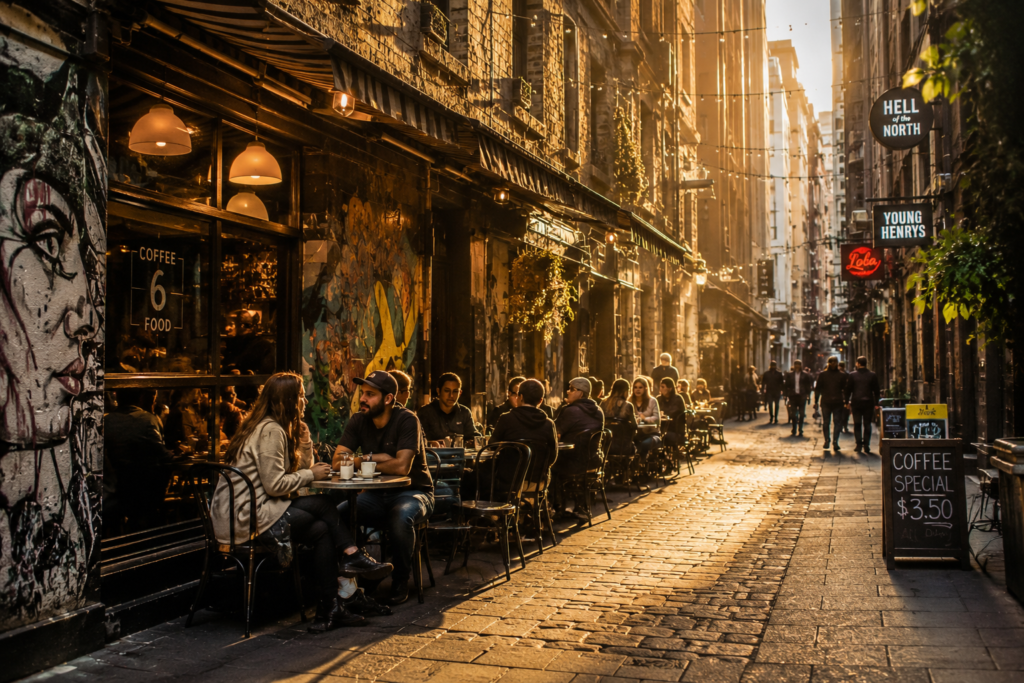
The best time to experience the Great Ocean Road is generally between late spring and early autumn, when weather tends to be milder and daylight lasts longer. Summer provides warmer beach conditions but also brings larger crowds. Autumn is often underrated because softer light, cooler temperatures, and quieter roads create a more atmospheric experience.
Winter along the Great Ocean Road can actually feel incredibly cinematic. Storm clouds rolling over the Southern Ocean, empty beaches, and mist-covered forests create dramatic scenery that photographers particularly appreciate.
Driving remains the best and most flexible way to experience the region properly. While guided tours exist, they rarely allow enough time to enjoy the smaller towns, cafés, beaches, and hidden lookouts that make the journey memorable. The Great Ocean Road works best when travellers move slowly and leave room for unexpected stops.
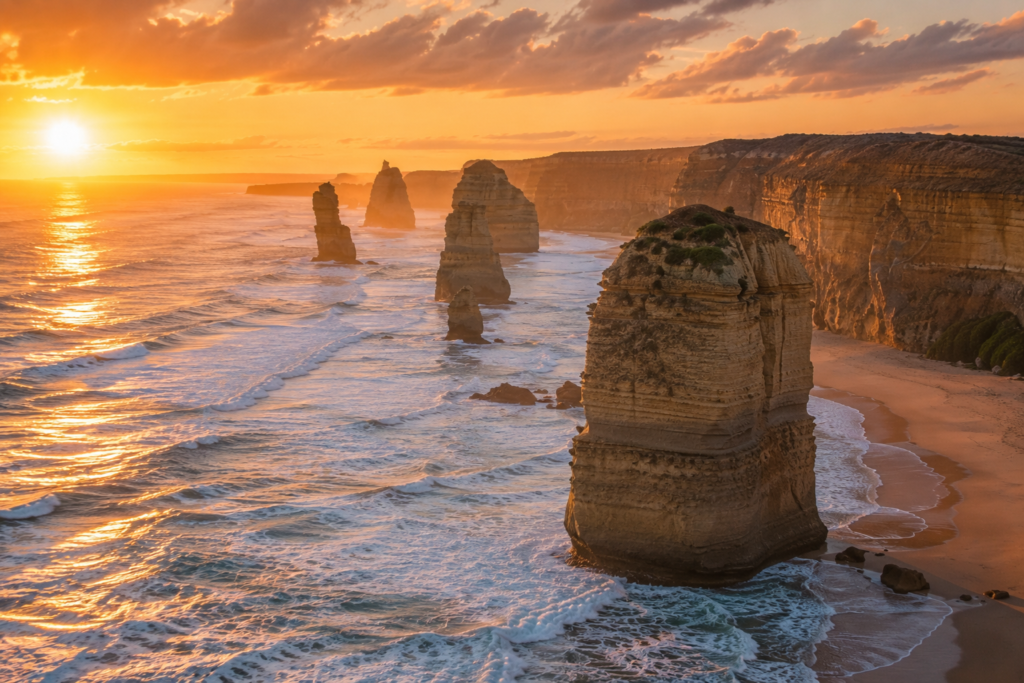
What ultimately makes the Great Ocean Road special is that it combines multiple experiences into one journey. It’s not only about beaches or cities or forests—it’s the contrast between them all. One moment you’re drinking coffee in a creative Melbourne laneway café, and the next you’re standing alone beside enormous ocean cliffs while waves crash below.
That constant shift between urban culture, wildlife, rainforest, surf towns, luxury accommodation, and rugged coastline is what gives the journey its unique atmosphere. It feels cinematic, peaceful, adventurous, and nostalgic all at once.
And for many travellers, it becomes not only one of the best road trips in Australia, but one of the most memorable travel experiences anywhere in the world.