Your cart is currently empty!
France Travel Guide: A Journey Through Paris, Provence, the French Riviera, Bordeaux & the Alps
Introduction: Why France Continues to Inspire Travelers
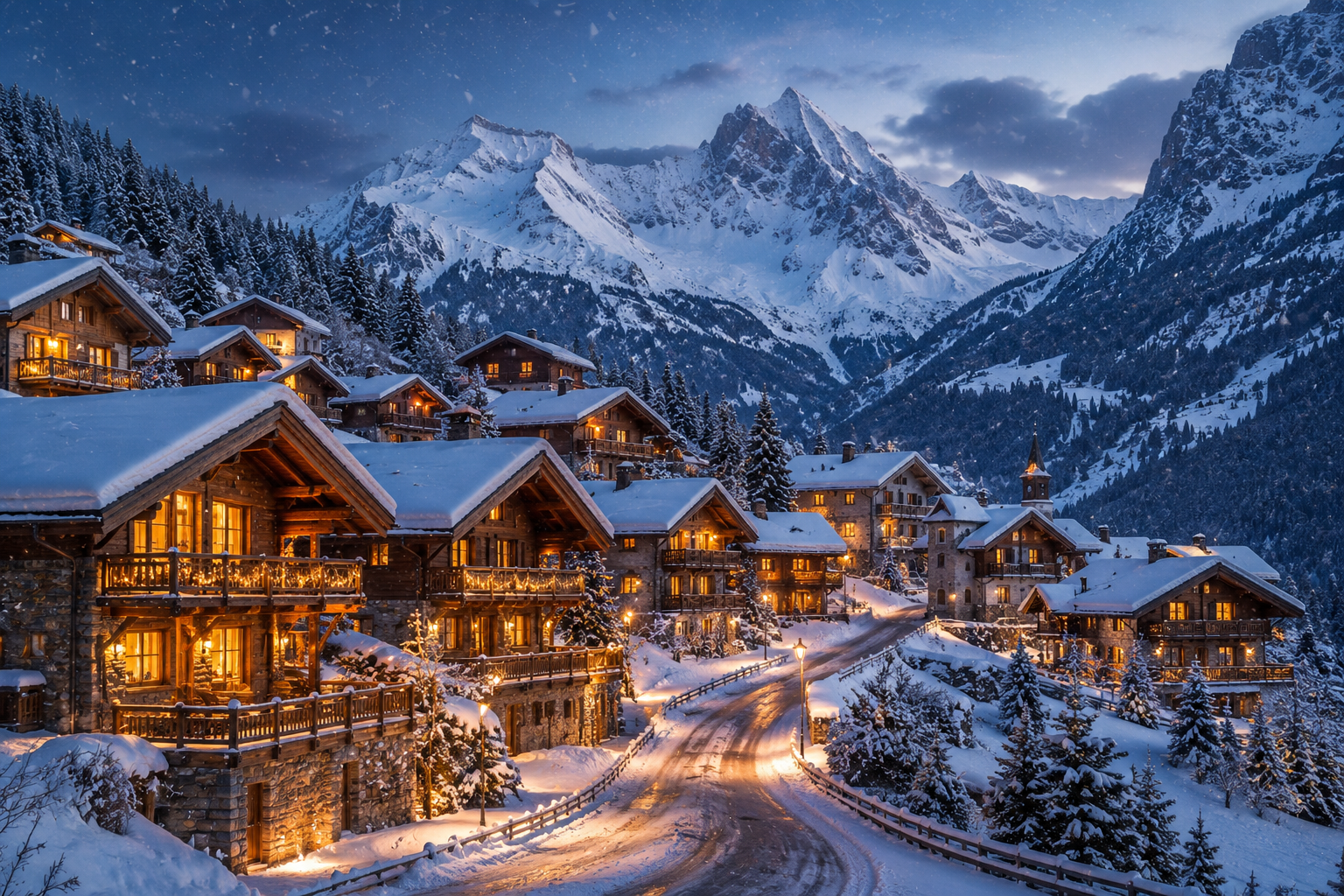
France has a way of feeling timeless. It’s not just the landmarks or landscapes that make people return—it’s the atmosphere. The café culture, the slower pace of meals, the architecture that seems untouched by time, and the way every region feels like its own world.
You can spend the morning walking through centuries-old streets in Paris, the afternoon drinking wine in Burgundy, and the evening watching the sun disappear over the Mediterranean in Nice. France is incredibly diverse, and that diversity is what makes it one of the most rewarding countries to explore slowly.
This guide takes you through some of France’s most memorable destinations, with detailed recommendations for where to stay, where to eat, what to see, and how to experience the country beyond the typical tourist checklist.
Paris: The Heart of France
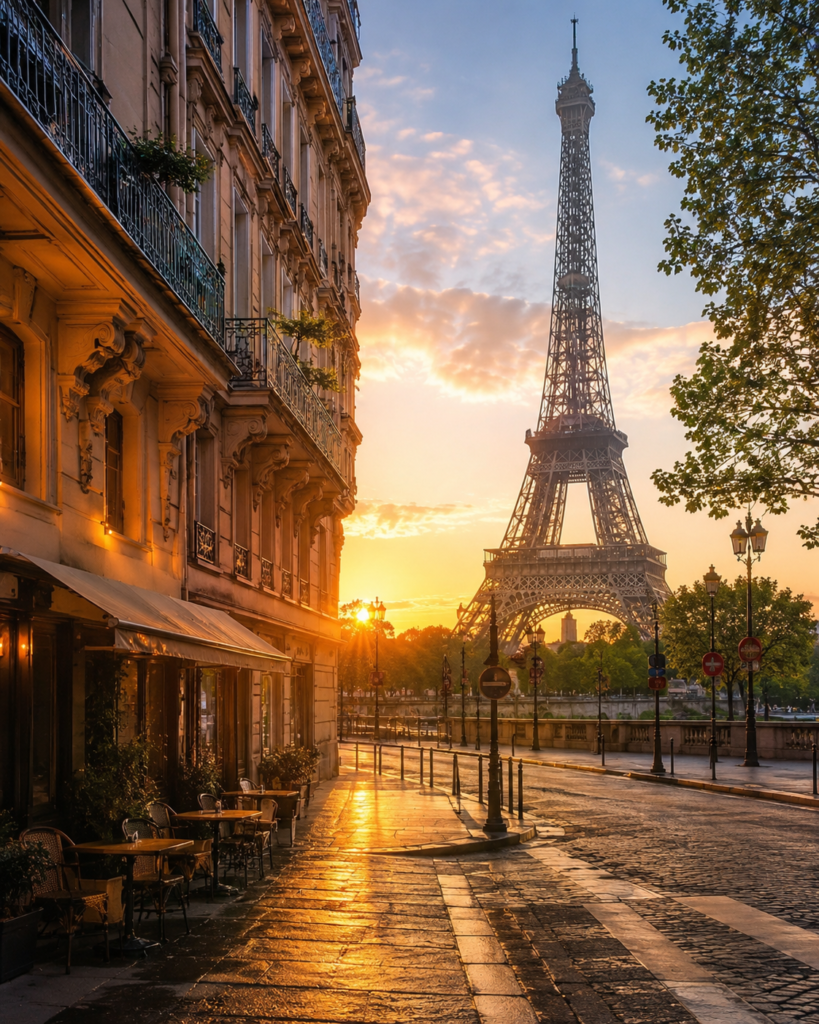
Paris is one of the few cities in the world that genuinely lives up to its reputation. It’s elegant without trying too hard, historic without feeling frozen in time, and constantly alive without becoming overwhelming.
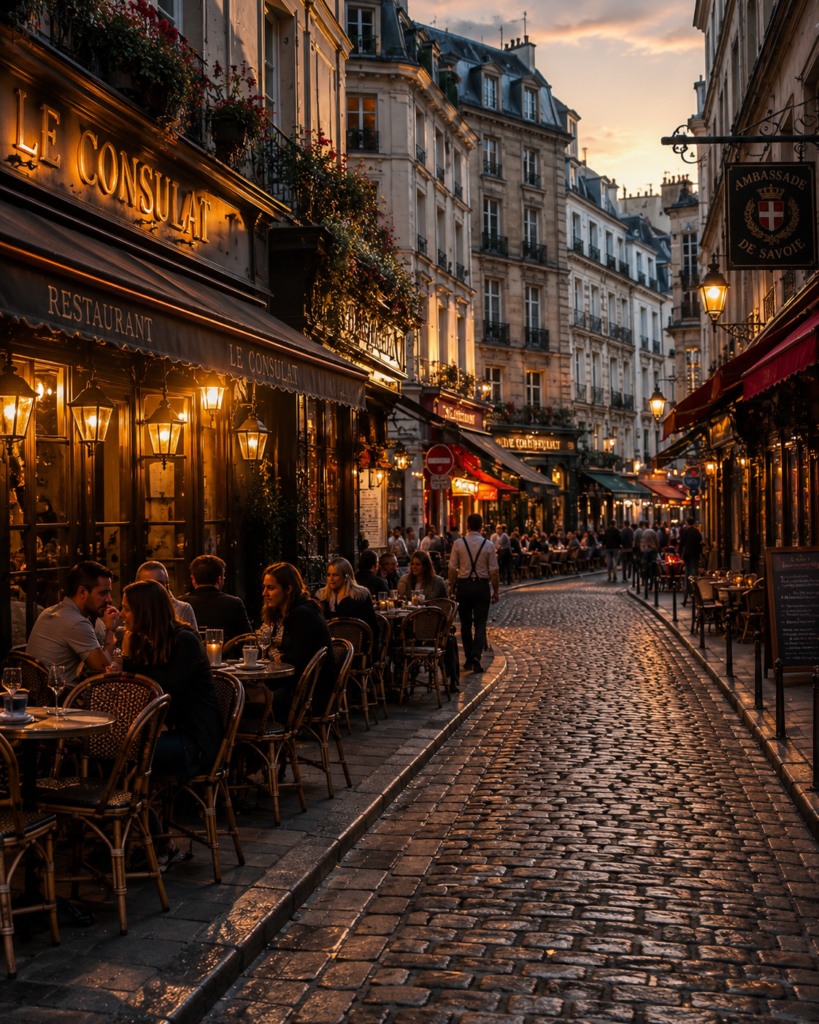
The best way to experience Paris is simply to walk. Some of the city’s best moments happen between destinations—quiet side streets, hidden cafés, bookstore windows, or watching the Seine glow at sunset.
The Eiffel Tower & Champ de Mars
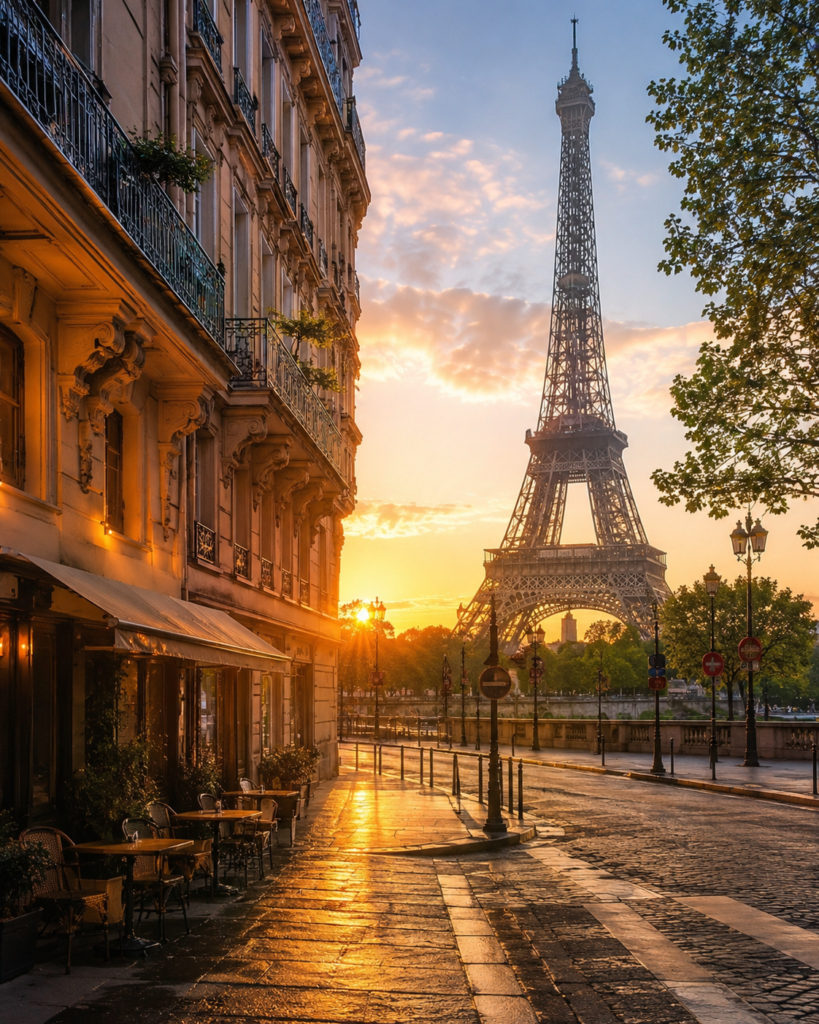
The Eiffel Tower is unavoidable, but seeing it in person still feels surreal. Early morning or late evening offers the best atmosphere, especially when the crowds thin slightly and the city lights begin reflecting across the Seine.
Nearby, the Champ de Mars is ideal for slowing down with coffee or pastries while taking in the view.
The Louvre & Tuileries Garden
Even people who don’t usually visit museums tend to appreciate the Louvre simply because of its scale and atmosphere. You could spend multiple days here, but even a few hours is worthwhile.
Afterward, walk through the Tuileries Garden toward Place de la Concorde and continue along the Seine.
Montmartre & Sacré-Cœur
Montmartre feels completely different from central Paris. The steep streets, artists, cafés, and views over the city give it a quieter, more cinematic atmosphere.
Sacré-Cœur Basilica offers one of the best panoramic views in Paris, especially at sunset.
Where to Eat in Paris
Septime
One of Paris’ most respected modern French restaurants. Seasonal tasting menus with minimalist presentation.
Café de Flore
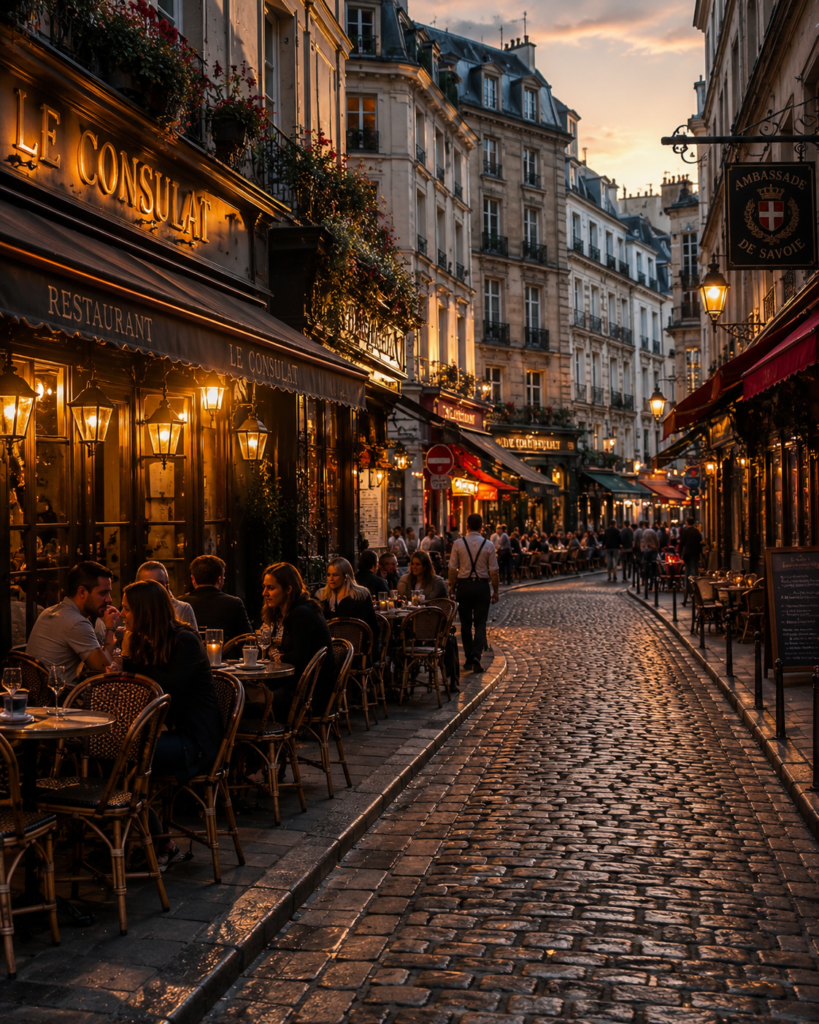
Historic Parisian café culture at its best. Ideal for coffee and people-watching.
Pink Mamma
A popular Italian-French fusion restaurant with beautiful interiors and rooftop seating.
Du Pain et des Idées
Exceptional pastries and one of the city’s best bakeries.
Where to Stay in Paris
Hôtel Plaza Athénée
Classic Paris luxury near Avenue Montaigne.
Le Roch Hotel & Spa
Boutique modern hotel with understated elegance.
Hôtel des Grands Boulevards
Stylish and centrally located without feeling overly touristy.
Provence: Lavender Fields & Slow Living
Provence feels softer than Paris. The pace changes. Meals become longer, roads quieter, and landscapes warmer.
Rolling vineyards, hilltop villages, and golden evening light define this region.
Gordes
One of the most beautiful villages in France, perched dramatically on a hillside.
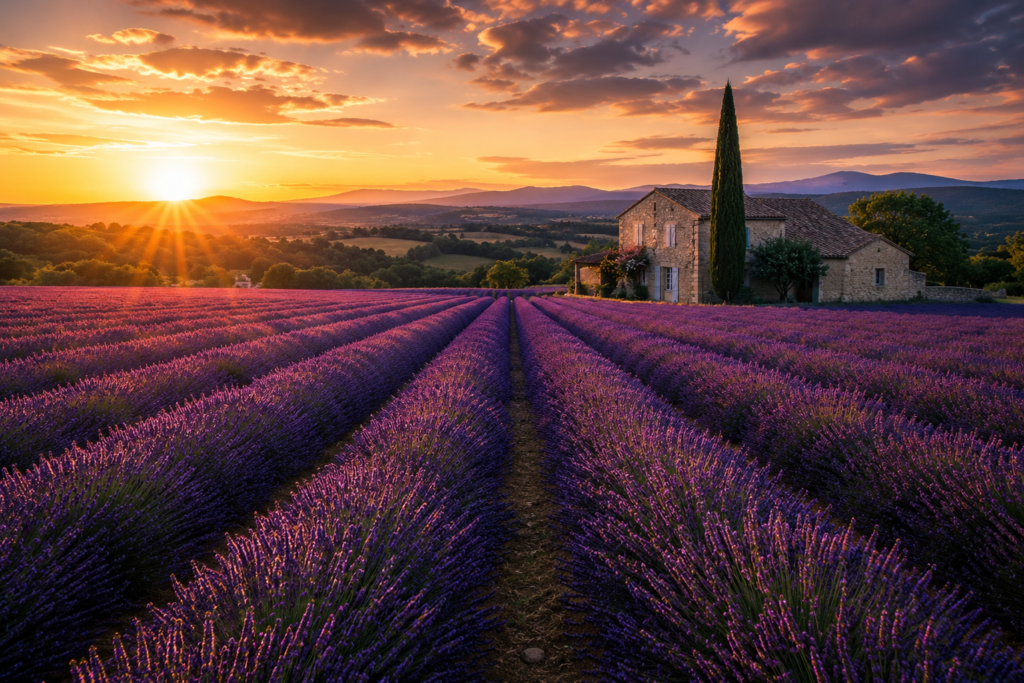
Stone buildings, narrow alleyways, and panoramic countryside views make it feel almost unreal during golden hour.
Valensole Lavender Fields
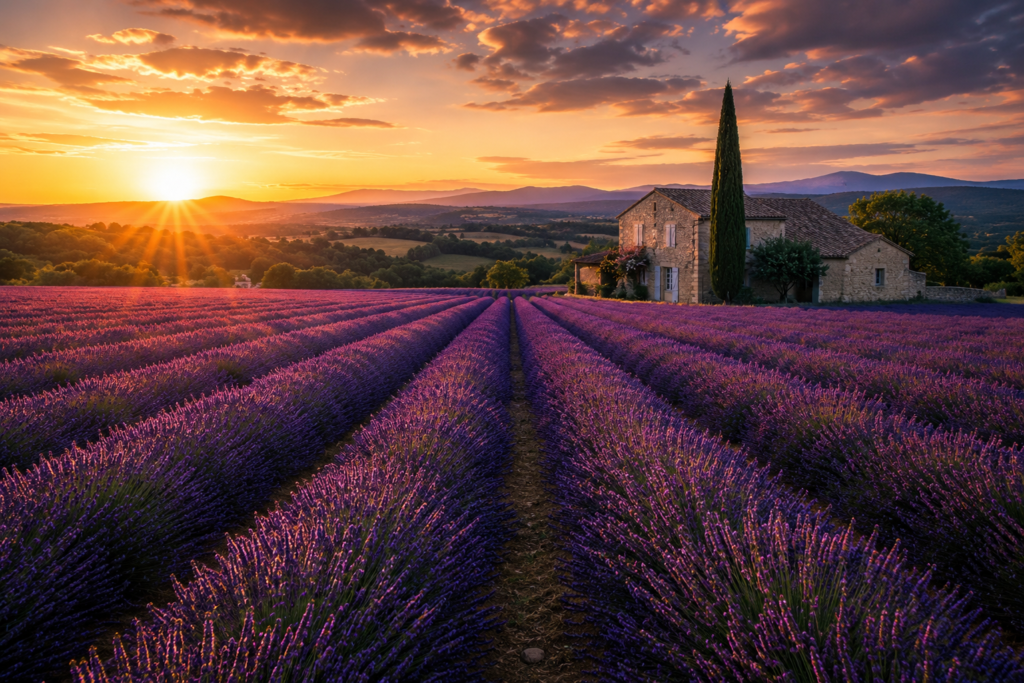
If visiting during summer, the lavender fields around Valensole are iconic. Endless purple rows stretching into the distance create one of France’s most photographed landscapes.
Aix-en-Provence
Elegant streets, fountains, markets, and shaded cafés make Aix one of the most enjoyable smaller cities in France.
Spend time slowly wandering rather than rushing between attractions.
Where to Eat in Provence
La Bastide de Moustiers
Beautiful countryside restaurant focused on local ingredients.
Chez Bruno
Known for truffle-based dishes and classic Provençal cuisine.
Le Formal
Modern French dining in Aix-en-Provence.
Where to Stay in Provence
Airelles Gordes, La Bastide
Luxury hotel overlooking the valley.
Château de Berne
Wine estate with spa and vineyards.
Villa Gallici
Elegant boutique hotel in Aix-en-Provence.
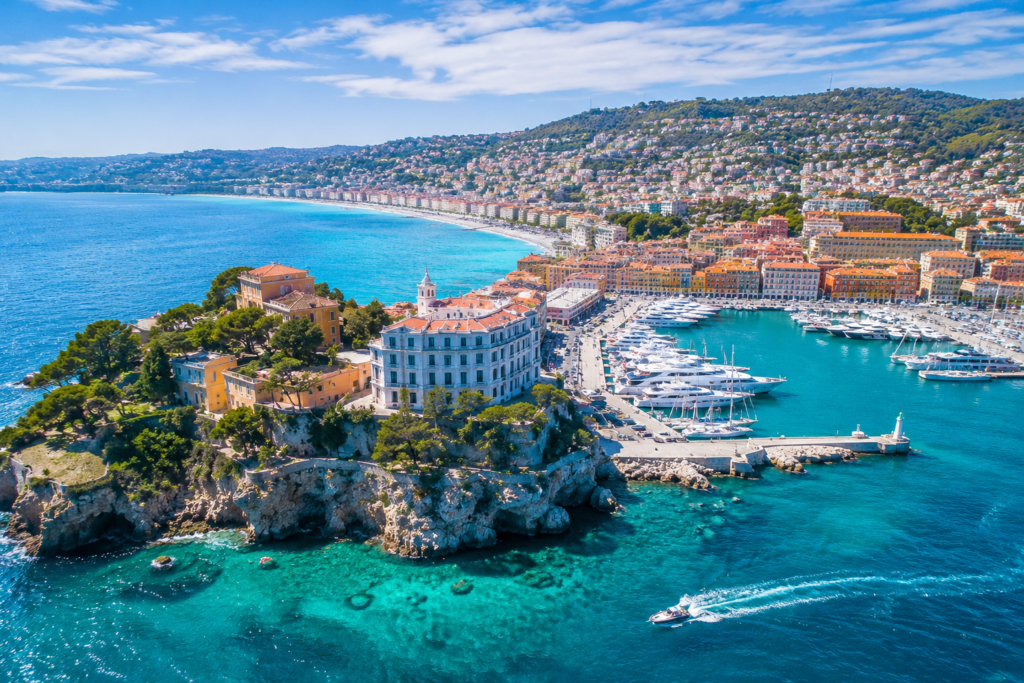
The French Riviera: Glamour & Coastal Beauty
The Côte d’Azur combines Mediterranean landscapes with luxury, nightlife, and relaxed coastal living.
Nice
Nice is one of the Riviera’s best bases because it balances beaches, culture, and accessibility.
Walk the Promenade des Anglais at sunset, explore Old Town, and spend evenings in waterfront restaurants.
Monaco
Small but dramatic, Monaco feels polished and cinematic. Luxury cars line the streets, yachts fill the harbor, and the city almost glows at night.
Saint-Tropez
Known for beach clubs and luxury tourism, but still beautiful early in the morning before crowds arrive.
Èze Village
A medieval village perched above the coastline with incredible panoramic views.
Where to Eat on the Riviera
La Chèvre d’Or (Èze)
Fine dining with unforgettable views.
Le Plongeoir (Nice)
Restaurant built above the sea.
Jan Restaurant (Nice)
Michelin-starred modern cuisine.
Where to Stay
Hotel du Cap-Eden-Roc
One of the Riviera’s most iconic luxury hotels.
Hyatt Regency Nice Palais de la Méditerranée
Great location on the waterfront.
Château Eza
Boutique luxury in Èze.
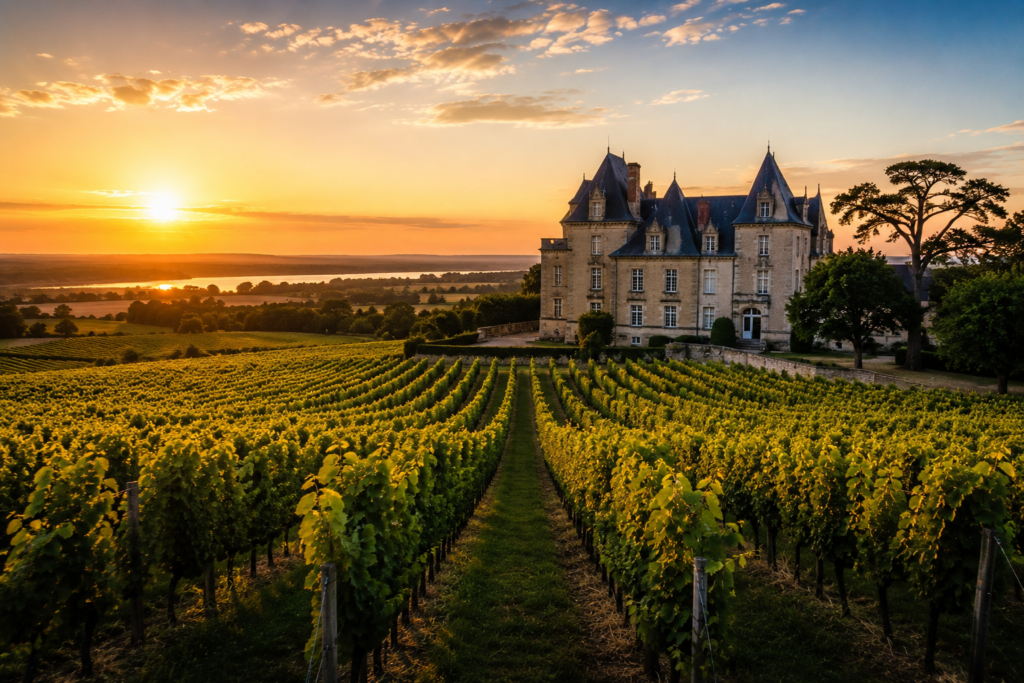
Bordeaux: Wine Country & Elegant Streets
Bordeaux feels refined but relaxed. It combines beautiful architecture with world-famous wine regions.
Place de la Bourse
Especially beautiful at night when reflections appear in the nearby water mirror.
Saint-Émilion
A medieval village surrounded by vineyards and wineries. One of the best day trips in France.
Wine Tours
Visiting local vineyards is essential here. Many offer tastings, cellar tours, and countryside lunches.
Where to Eat
Le Chapon Fin
Classic fine dining.
Racines
Modern French cuisine with local ingredients.
Miles
Creative tasting menus.
Where to Stay
InterContinental Bordeaux
Luxury hotel near the opera house.
Yndo Hotel
Stylish boutique option.
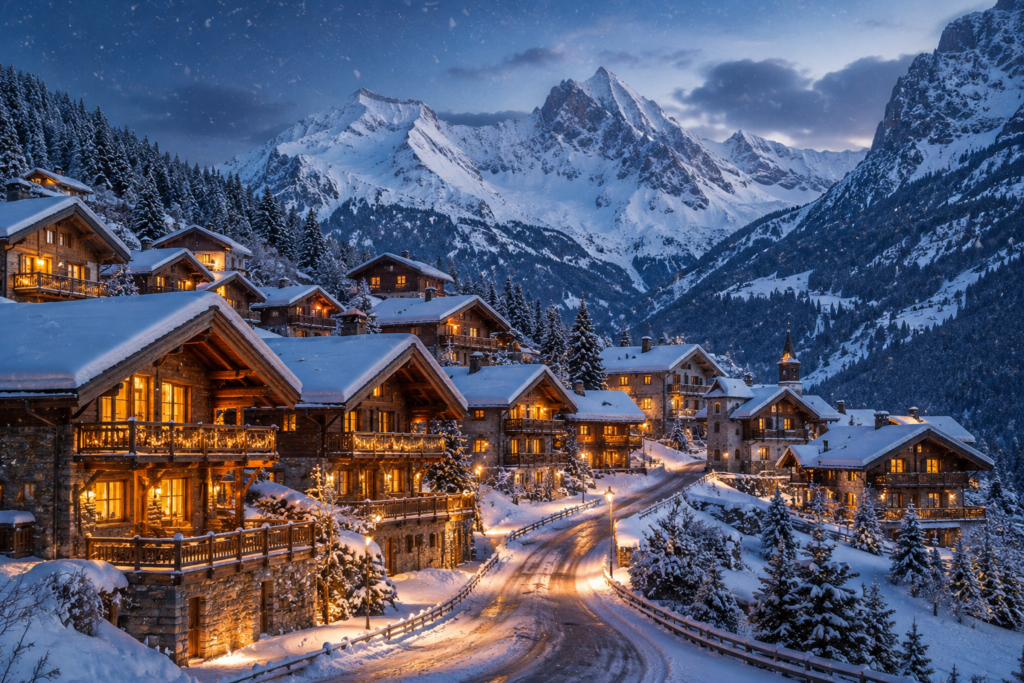
The French Alps: Mountain Landscapes & Alpine Villages
France’s alpine regions feel entirely different again—clean air, dramatic scenery, and quiet villages surrounded by mountains.
Chamonix
One of Europe’s most famous mountain towns beneath Mont Blanc.
Cable cars, hiking, skiing, and panoramic views make it beautiful year-round.
Annecy
Known as the “Venice of the Alps,” Annecy combines canals with mountain scenery.
The lake is one of the clearest in Europe.
Where to Eat
Albert 1er (Chamonix)
Elegant alpine dining.
La Ciboulette (Annecy)
Traditional French cuisine.
Where to Stay
Hôtel Mont-Blanc Chamonix
Classic alpine luxury.
Black Bass Hotel (Annecy)
Modern lakefront hotel.
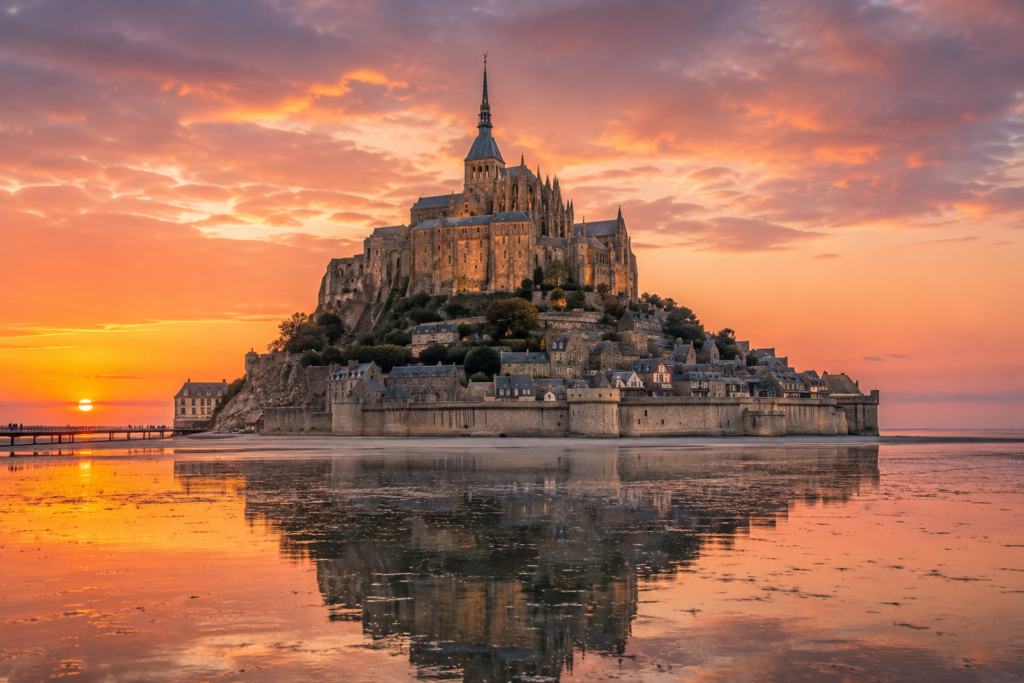
Loire Valley: Castles & Countryside
The Loire Valley is quieter but filled with history and landscapes that feel almost storybook-like.
Château de Chambord
France’s largest and most famous château.
Château de Chenonceau
Built across a river, it’s one of the most visually striking castles in Europe.
Travel Essentials for France
France involves a lot of walking, train travel, and movement between cities and regions.
A reliable travel backpack like the Bagsmart 40L Carry-On Travel Backpack makes navigating stations, airports, and day trips much easier.
Since maps, bookings, and photography quickly drain battery life, the Anker 10,000mAh 22.5W Power Bank becomes genuinely useful throughout long sightseeing days.
If you’re creating travel content or simply want stable photos during solo travel, the Ulanzi MT-44 Extendable Vlog Tripod is lightweight enough to carry daily without becoming annoying.
Keeping clothing organised is especially useful when moving frequently between destinations, which is where Amazon Basics Packing Cubes help simplify packing.
For long flights and train rides between regions, the Sony WH-1000XM5 Noise Cancelling Headphones make a noticeable difference in comfort.
Getting Around France
France’s train network is excellent.
The TGV high-speed rail system connects Paris with major cities quickly and comfortably. It’s often easier than flying domestically.
For Provence, wine regions, and smaller villages, renting a car offers more flexibility.
Best Time to Visit France
Spring (April–June)
Probably the best overall season—pleasant weather, fewer crowds, blooming countryside.
Summer (July–August)
Lively atmosphere but busiest season, especially in Paris and the Riviera.
Autumn (September–October)
Excellent for wine regions and milder tourism.
Winter
Perfect for skiing and Christmas markets, especially in alpine regions.
Final Thoughts
France rewards slower travel.
It’s not a country best experienced through rushing between attractions—it’s best understood through long meals, quiet mornings, train rides through countryside landscapes, and evenings spent wandering unfamiliar streets.
Each region feels distinct:
- Paris feels timeless
- Provence feels calm
- The Riviera feels cinematic
- Bordeaux feels refined
- The Alps feel grounding
And that variety is exactly why France remains one of the world’s most unforgettable destinations.
The more time you give it, the more layered it becomes.
Leave a Reply