Your cart is currently empty!
Italy Travel Guide: A Complete Journey Through Rome, Florence, Venice, the Amalfi Coast & Tuscany
Introduction: Why Italy Feels Different
Italy isn’t just a destination—it’s an experience shaped by rhythm, history, and sensory detail. It’s the sound of espresso cups clinking in a quiet café, the glow of late afternoon light against centuries-old stone, and the slow, deliberate pace of meals that stretch into the evening.
Every region in Italy feels distinct. Rome is layered with history and energy, Florence is refined and artistic, Venice is surreal and atmospheric, while the Amalfi Coast and Tuscany offer landscapes that feel almost cinematic.
This guide takes you through Italy not just as a list of places, but as a way to experience the country properly—where to go, where to eat, where to stay, and how to move through it all seamlessly.
Rome: History, Chaos & Timeless Landmarks
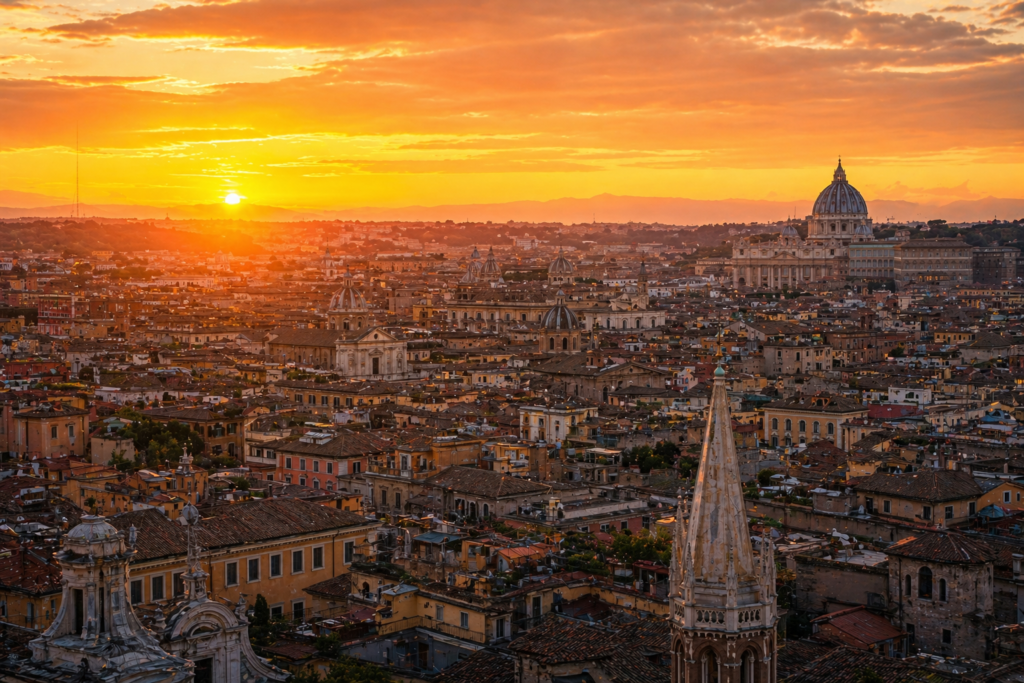
Rome doesn’t ease you in—it throws you straight into its intensity. Ancient ruins sit beside busy streets, fountains appear around corners unexpectedly, and every walk feels like it passes through multiple centuries at once.
The Colosseum & Roman Forum
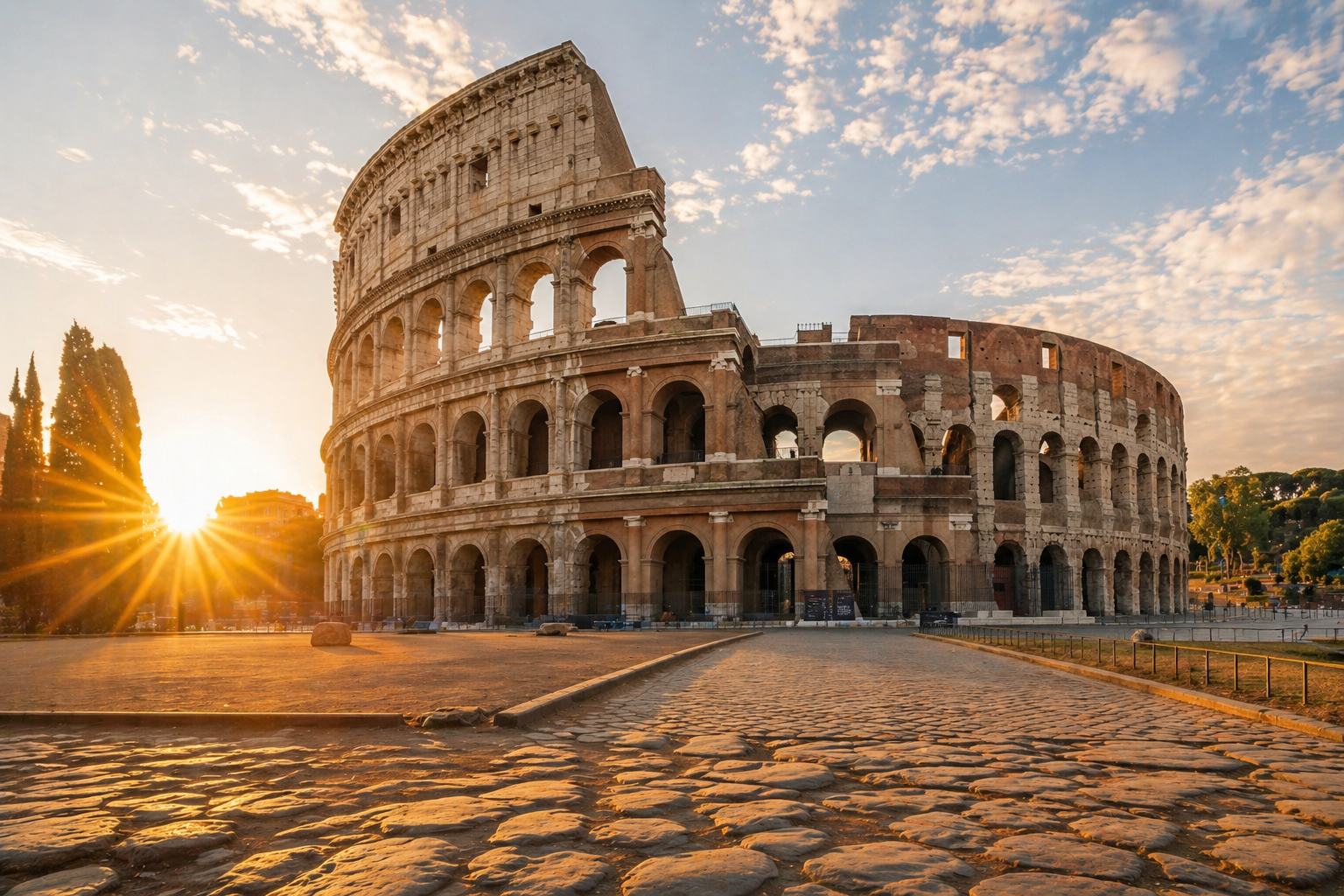
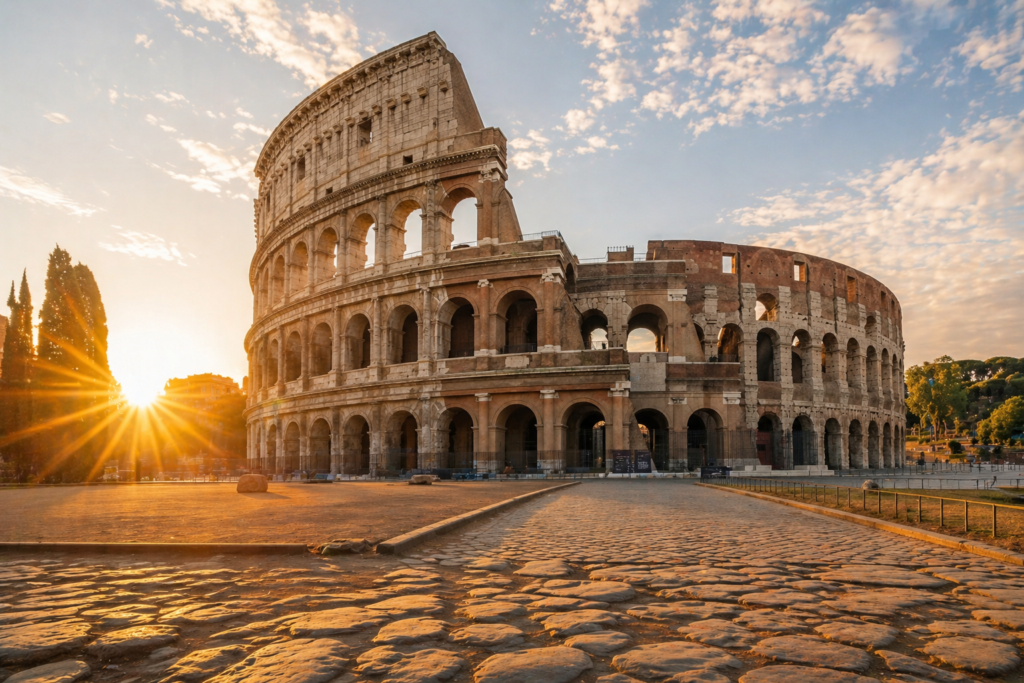
The Colosseum is one of those landmarks that exceeds expectations. Seeing it in person, especially early in the morning, gives you a sense of scale that photos don’t capture.
Just beside it, the Roman Forum stretches out into a landscape of ruins that once formed the centre of ancient Roman life. Walking through it feels less like sightseeing and more like stepping through history.
Trevi Fountain & Pantheon
The Trevi Fountain is crowded, but it’s worth seeing—especially late at night when the crowds thin and the lighting becomes softer. The Pantheon, by contrast, feels calm and grounded, its massive dome still one of the most impressive architectural feats in the world.
Where to Eat in Rome
- Roscioli – A mix of restaurant, deli, and wine bar known for exceptional pasta and cured meats
- Da Enzo al 29 (Trastevere) – Traditional Roman dishes in a small, authentic setting
- Armando al Pantheon – Classic Roman cuisine with a long-standing reputation
Where to Stay
- Hotel Artemide – Central, reliable, modern comfort
- JK Place Roma – Boutique luxury with understated design
- Generator Rome – Stylish budget-friendly option
Florence: Art, Architecture & Slower Living
Florence feels more contained than Rome. It’s a city that encourages walking, pausing, and paying attention to detail.
Florence Cathedral (Duomo)
The Duomo dominates the skyline. Its intricate marble façade and massive dome define the city visually and culturally. Climbing to the top offers one of the best views in Italy.
Uffizi Gallery & Ponte Vecchio
The Uffizi holds some of the most important works of the Renaissance, while the Ponte Vecchio offers a more atmospheric experience—especially in the evening when the light softens and reflections appear on the Arno River.
Where to Eat in Florence
- Trattoria Mario – Simple, authentic Tuscan dishes
- La Giostra – Slightly more refined, known for pear-filled pasta
- All’Antico Vinaio – Famous for large, overfilled sandwiches
Where to Stay
- Hotel Spadai – Central and well-designed
- Portrait Firenze – High-end, river views
- Hotel Dali – Affordable and simple
Want more scenes like this?
Download a curated pack of ultra-realistic images, perfect for wallpapers and inspiration.
Venice: Atmosphere Over Everything
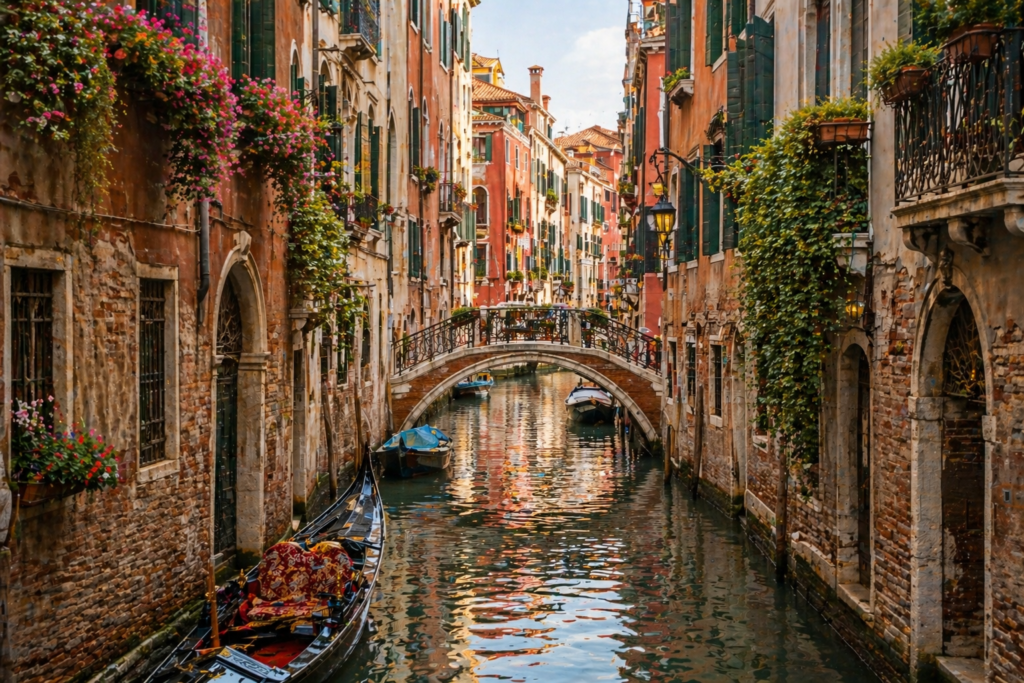
Venice doesn’t feel real at first. There are no cars, streets turn into canals, and everything moves at a slower pace.
Grand Canal & St. Mark’s Basilica
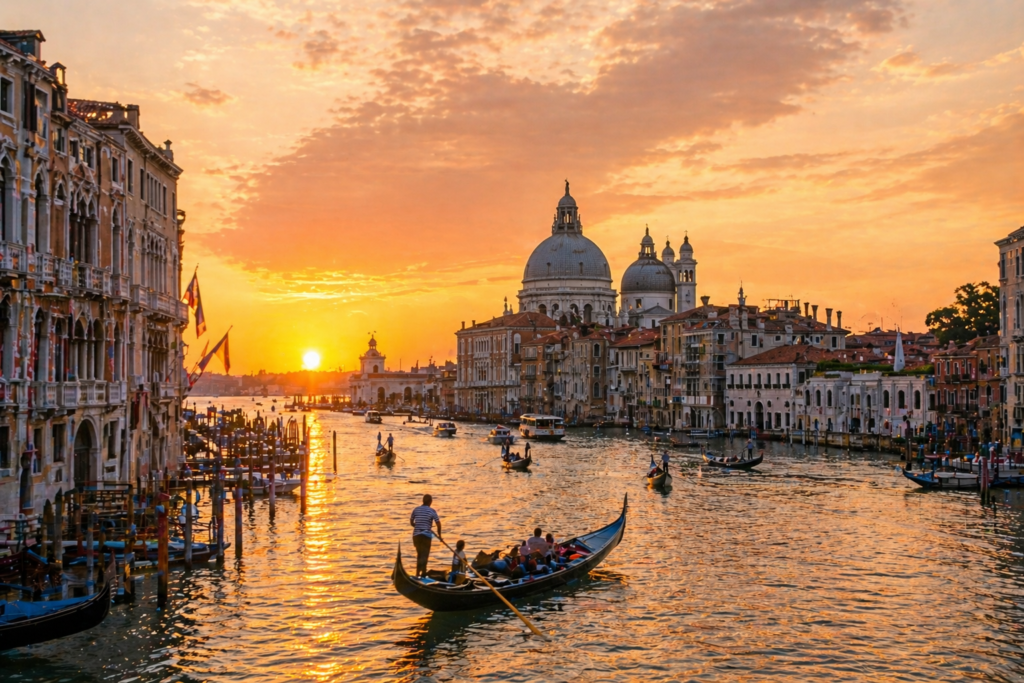
The Grand Canal is the main artery of the city, lined with historic buildings that reflect beautifully in the water. St. Mark’s Basilica, with its intricate design and gold mosaics, is one of Venice’s most impressive landmarks.
Getting Lost (Intentionally)
The best part of Venice isn’t the main attractions—it’s wandering. Narrow alleyways, small bridges, and quiet canals create moments that feel completely removed from the busy areas.
Where to Eat in Venice
- Osteria alle Testiere – Small, high-quality seafood restaurant
- Cantina Aziende Agricole – Local wines and relaxed atmosphere
- Trattoria al Gatto Nero (Burano) – Worth the trip for seafood
Where to Stay
- Ca’ Sagredo Hotel – Historic luxury
- Hotel Antiche Figure – Great location, mid-range
- Combo Venezia – Modern and affordable
Amalfi Coast: Dramatic Landscapes & Coastal Living
The Amalfi Coast is one of Italy’s most visually striking regions. Cliffs drop into the sea, roads wind along the coastline, and towns seem to cling to the landscape.
Positano
Positano is the most iconic town on the coast. Colourful buildings cascade down toward the beach, creating a layered, vertical landscape.
Amalfi & Ravello
Amalfi offers a mix of history and coastal views, while Ravello sits higher up, providing panoramic perspectives and a quieter atmosphere.
Where to Eat
- Da Adolfo (Positano) – Casual beachside dining
- La Tagliata (Positano) – Family-run, incredible views
- Villa Cimbrone Restaurant (Ravello) – Fine dining with scenery
Where to Stay
- Le Sirenuse (Positano) – Iconic luxury hotel
- Hotel Marincanto – Mid-range with excellent views
- Casa Angelina – Modern and minimalist
Tuscany: Countryside, Vineyards & Space
Tuscany feels slower, more open, and more grounded than the cities.
Val d’Orcia
Rolling hills, cypress-lined roads, and small villages define this region. It’s one of the most photographed areas in Italy—and for good reason.
Siena & San Gimignano
Siena offers a strong medieval atmosphere, while San Gimignano is known for its skyline of towers.
Where to Eat
- Osteria La Porta (Monticchiello) – Local dishes with views
- La Taverna di San Giuseppe (Siena) – Traditional Tuscan cuisine
Where to Stay
- Borgo Santo Pietro – Luxury countryside retreat
- Castello di Casole – Elegant and expansive
- Agriturismo Il Rigo – Authentic and peaceful
Travel Essentials (That Actually Make a Difference)
Moving through Italy involves trains, walking, uneven streets, and frequent changes between locations. Having the right essentials simplifies everything.
A reliable travel backpack like the Bagsmart 40L Carry-On Travel Backpack is ideal for navigating train stations and carrying daily essentials without feeling overloaded.
A portable charger such as the Anker 10,000mAh 22.5W Power Bank becomes essential when using maps, booking transport, and taking photos throughout the day.
For capturing content or even just better photos, the Ulanzi MT-44 Extendable Vlog Tripod provides stability without adding bulk.
Keeping everything organised is easier with Amazon Basics Packing Cubes, especially when moving between multiple cities.
And for long travel days, noise reduction makes a noticeable difference—something like the Sony WH-1000XM5 Noise Cancelling Headphones can make flights and train journeys far more comfortable.
Want more scenes like this?
Download a curated pack of ultra-realistic images, perfect for wallpapers and inspiration.
Getting Around Italy
Italy’s train system is one of the best ways to travel between cities. High-speed trains connect Rome, Florence, and Milan efficiently, while regional trains reach smaller towns.
Booking in advance often saves money and ensures availability.
Best Time to Visit
Spring (April–June) and autumn (September–October) offer the best balance of weather and crowds. Summer is vibrant but busy, while winter is quieter, especially outside major cities.
Final Thoughts
Italy isn’t a place you rush through. It’s a place where slowing down improves everything—meals, walks, conversations, and even the way you see the surroundings.
From Rome’s intensity to Tuscany’s calm, from Venice’s atmosphere to the Amalfi Coast’s dramatic views, each part of Italy offers something distinct.
And the more time you give it, the more it gives back.
Leave a Reply