Your cart is currently empty!
Egypt Travel Guide: Experiencing the Pyramids of Giza & Cairo in Depth
Introduction: Cairo, Where History Meets Motion
Cairo is not a quiet city. It hums, breathes, and moves with a rhythm that feels both chaotic and deeply alive. It is a place where the modern world presses up against one of the oldest civilizations in human history, where ancient stone monuments rise beyond highways and apartment blocks, and where the call to prayer echoes across a skyline shaped by centuries.
For most travelers, Cairo is defined by one image: the Pyramids of Giza. But to experience Cairo properly is to understand that the pyramids are not just an isolated wonder—they are part of a much larger story. A story of markets, riverbanks, hidden cafes, and the slow, golden movement of time across desert and city alike.
This guide focuses on experiencing Cairo and the Pyramids in depth—not rushing through them, but seeing them properly, with intention.
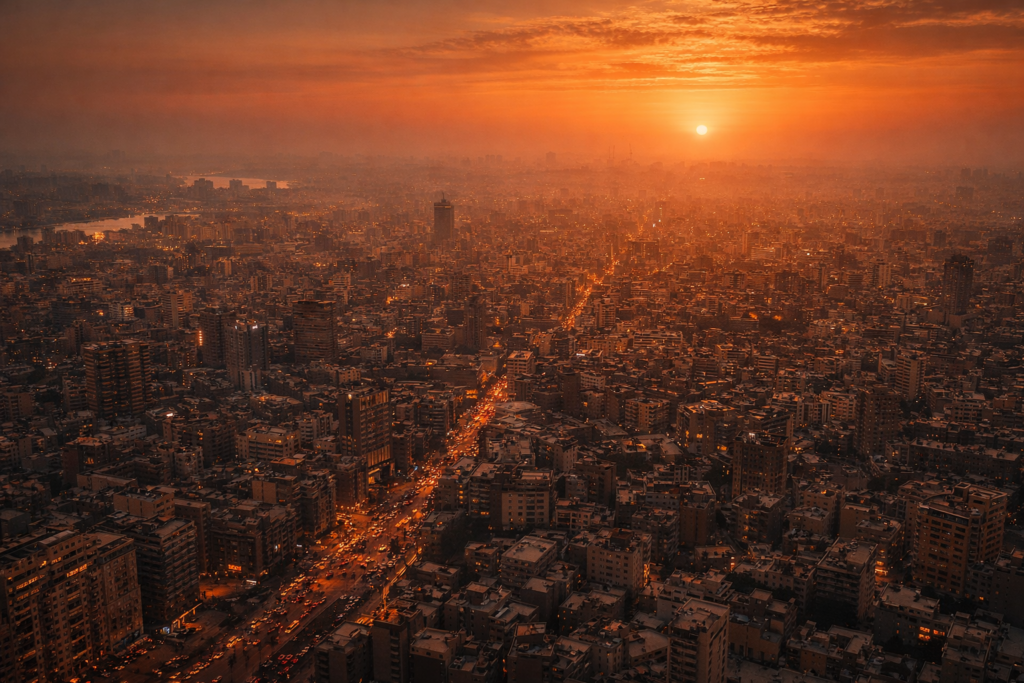
Bring Cairo to Your Screen
If you’re drawn to cinematic travel visuals, you can download a curated collection of travel wallpapers featuring scenes like the Pyramids, desert landscapes, and city skylines.
Arriving in Cairo: First Impressions
Landing in Cairo is an experience in itself. As you descend, the city stretches endlessly beneath you—a dense grid of buildings, roads, and movement. The air carries a slight haze, softening the edges of the skyline, giving everything a cinematic quality.
The moment you step outside the airport, the pace of the city becomes clear. Traffic flows in a way that feels almost improvised, horns punctuate the air, and yet there is an underlying rhythm to it all. It can feel overwhelming at first, but within a day or two, it begins to make sense.
Getting from the airport into the city is straightforward, but having your essentials easily accessible makes a noticeable difference. A compact travel backpack keeps everything organised—passport, charger, camera—so you’re not fumbling through luggage in the middle of a busy arrival hall. Cairo rewards preparedness, even in small ways.
Travel Essentials for Cairo & the Pyramids
Exploring Cairo and the Pyramids of Giza often means long days in the heat, moving between busy city streets and open desert landscapes. Having a few key items can make the experience significantly more comfortable and enjoyable.
A lightweight travel backpack is one of the most useful things to bring, especially for carrying water, a camera, and essentials while walking around the pyramids or navigating the city. Keeping everything in one organised place makes a noticeable difference throughout the day.
One option that works particularly well for this kind of trip is the Bagsmart 40L Carry-On Travel Backpack.

A reliable portable charger is equally important. Between taking photos, using maps, and navigating the city, your phone battery drains quickly. Having a backup ensures you don’t miss key moments, especially when exploring areas like the Giza plateau.
Packing cubes are a simple but effective way to stay organised, particularly if you’re moving between hotels or destinations. Being able to quickly access what you need without unpacking everything saves time and keeps things stress-free.
For international travel, a universal travel adapter is essential. Egypt uses different plug types depending on where you’re staying, and having one adapter that works everywhere removes any hassle.
Finally, if you’re interested in capturing high-quality travel photos or videos, a compact tripod can be incredibly useful. It allows for more stable shots, especially in lower light conditions or when framing wider compositions.
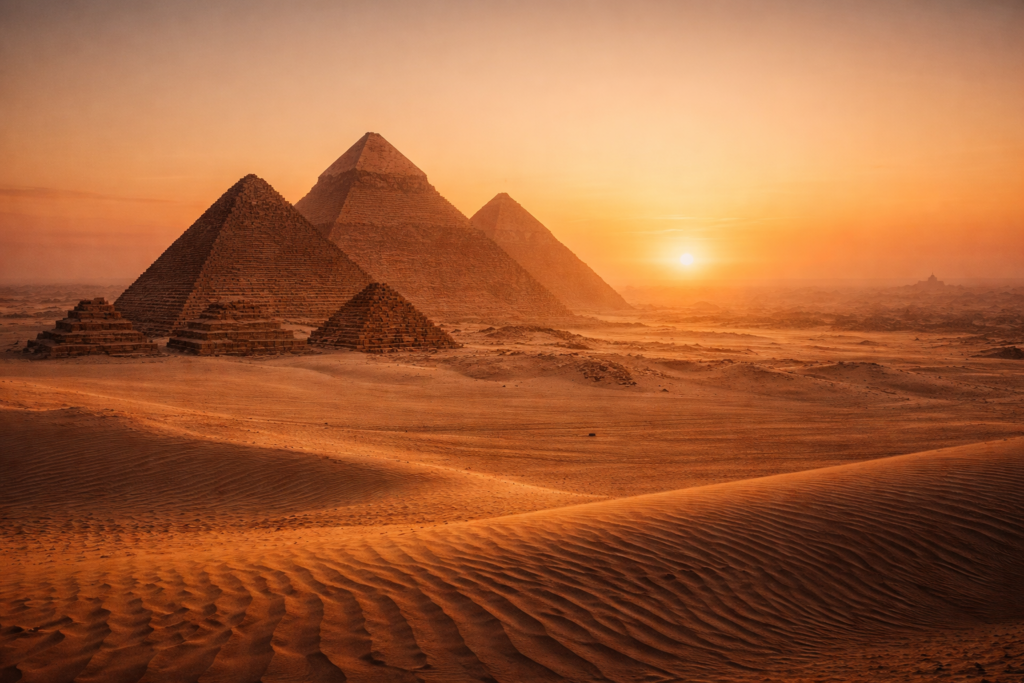
The Pyramids of Giza: Seeing Them Properly
No matter how many images you’ve seen, the first real view of the pyramids is different. They don’t feel like distant historical objects—they feel immediate, massive, and almost surreal in scale.
The key to experiencing the pyramids well is timing.
Arriving early in the morning, just after sunrise, transforms the entire setting. The light is soft and warm, the desert air is cooler, and the crowds are minimal. The pyramids rise out of the sand with long shadows stretching across the ground, and for a moment, it feels almost quiet.
Walking across the plateau, you begin to notice the texture of the stone, the precision of the construction, and the sheer effort that must have gone into building something on this scale thousands of years ago.
If you plan to spend time here—exploring different viewpoints, walking between structures, and simply taking it in—it’s worth bringing a few simple essentials. The sun becomes intense quickly, and having a reliable portable charger ensures your phone or camera lasts through the experience. There’s nothing worse than reaching the best viewpoint and realising your battery is gone.
Photographing the Pyramids: Light, Space, and Perspective
The pyramids are one of the most photographed places in the world, but capturing them in a way that feels personal comes down to a few simple things: light, perspective, and patience.
Morning and late afternoon offer the best conditions. The harsh midday sun flattens the scene, while softer light adds depth and dimension. Moving slightly away from the main paths can also change everything—suddenly the crowds disappear, and the composition becomes cleaner.
A lightweight tripod can make a surprising difference here, especially if you want to experiment with framing or capture more stable shots during lower light conditions. Even for phone photography, having that extra stability allows you to slow down and be more intentional with each image.
Back in the City: The Energy of Cairo
Returning from Giza into central Cairo feels like stepping into another world entirely. The quiet vastness of the desert is replaced by movement, density, and noise.
But this is where Cairo reveals its personality.
Walking through neighbourhood streets, you’ll notice small details—the way shops spill out onto sidewalks, the conversations happening in doorways, the rhythm of daily life unfolding. It’s not polished or curated, but that’s exactly what makes it compelling.
Khan el-Khalili: The Atmosphere of the Old City
One of the most immersive places in Cairo is the Khan el-Khalili market. This historic bazaar is a maze of narrow alleys filled with colour, texture, and sound.
Lanterns hang overhead, casting warm patterns of light. Stalls display spices in deep reds and oranges. Metalwork, textiles, and handmade goods line the pathways. It’s busy, yes—but it’s also deeply atmospheric.
This is the kind of place where you don’t need a strict plan. Just walk, observe, and let the environment guide you.
Staying Organised While Travelling
Cairo is not a place where you want to be digging through your bag looking for things. Having a simple system—like using packing cubes to separate clothes and essentials—makes a noticeable difference, especially if you’re moving between locations.
It’s a small detail, but travel becomes significantly smoother when everything has its place. You spend less time managing your belongings and more time actually experiencing where you are.
The Nile at Sunset
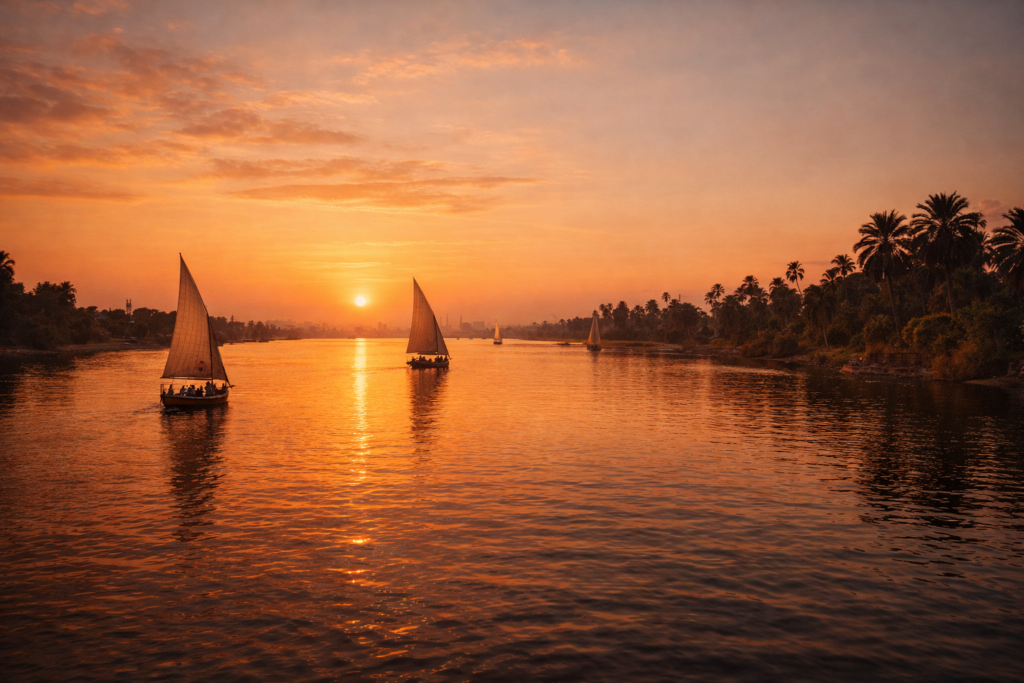
If the pyramids represent Egypt’s ancient past, the Nile represents its continuity. The river moves slowly through the city, carrying with it a sense of calm that contrasts with Cairo’s intensity.
At sunset, the light softens, reflecting off the water in shades of gold and orange. Felucca boats drift across the surface, their white sails catching the last light of the day.
This is one of the few moments where Cairo feels still.
Practical Comforts That Matter
Long days exploring Cairo can be demanding—heat, walking, crowds. Small things make a big difference.
Having a universal travel adapter means you’re never stuck without power in your accommodation. It’s one of those items you don’t think about until you need it—and then it becomes essential.
Where to Stay: Waking Up Near the Pyramids
Staying somewhere with a view of the pyramids changes the entire experience. Waking up and seeing them in the distance, especially in the early morning light, creates a sense of continuity—you’re not just visiting them, you’re living alongside them, even if only briefly.
A Slower Way to Experience Cairo
The biggest mistake people make in Cairo is rushing. Trying to see everything quickly reduces the experience to a checklist.
Instead, focus on fewer places and spend more time in each. Sit in a café. Walk without a strict destination. Watch how the city moves.
Conclusion: Why Cairo Stays With You
Cairo is not a place that reveals itself instantly. It takes time, patience, and a willingness to embrace its pace. But once you do, it offers something deeper than just landmarks.
It offers atmosphere.
It’s in the early morning light over the pyramids.
In the quiet movement of the Nile at sunset.
In the energy of the streets and the history embedded in the stone.
Cairo stays with you because it feels real—unfiltered, layered, and alive.
Bring Cairo to Your Screen
Download the full collection of cinematic travel wallpapers inspired by Egypt and beyond.
* Product images and prices may vary slightly from the actual item on Amazon
This article may contain affiliate links. If you purchase through these links, I may earn a small commission at no additional cost to you. I only recommend products that are relevant and applicable.
Leave a Reply