Your cart is currently empty!
Tag: Bavaria travel guide
-
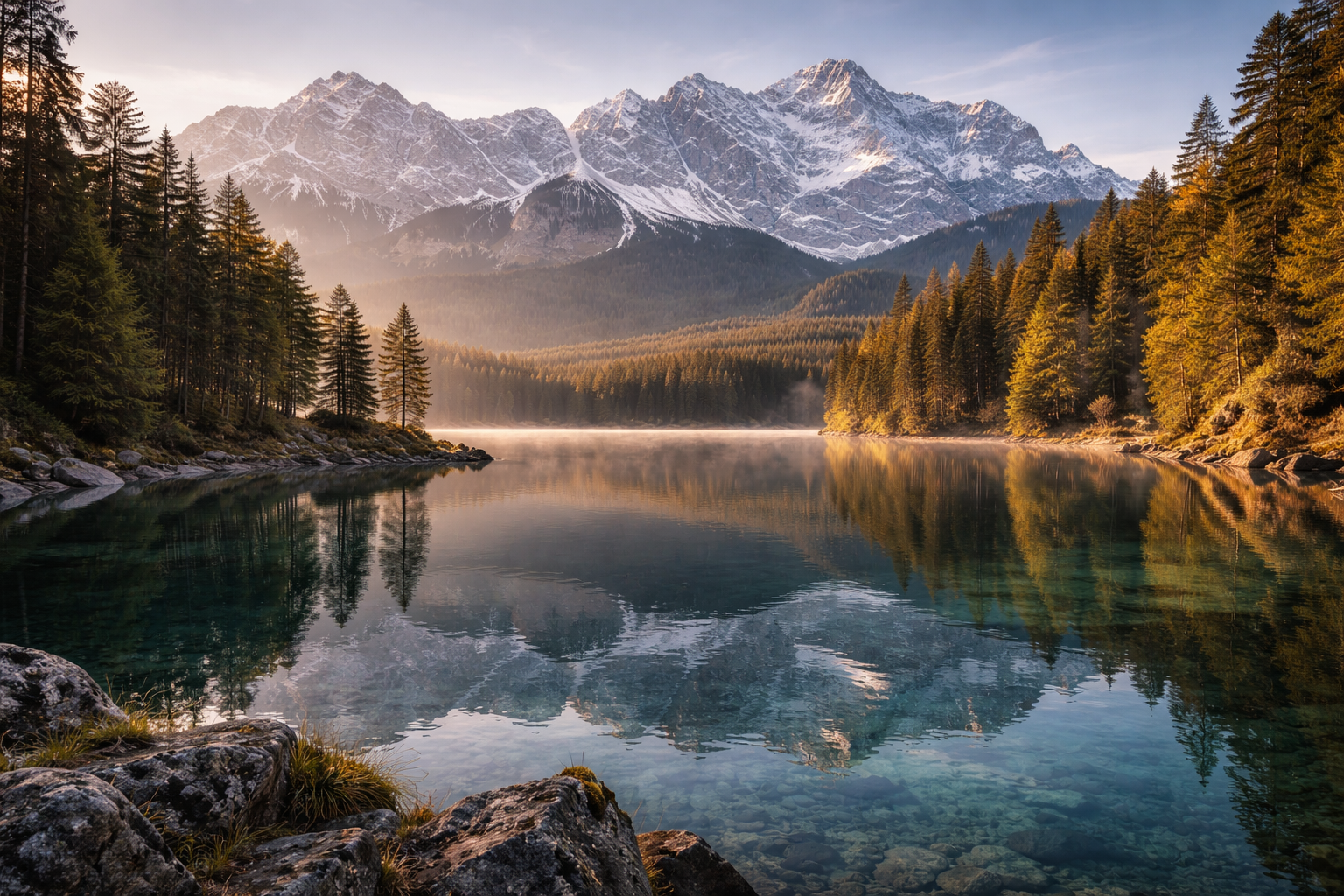
Germany Travel Guide: The Ultimate Guide to Berlin, Munich, Bavaria & Beyond
Introduction to Germany
Germany isn’t a place you visit for just one thing—it’s a country of contrasts. It’s where medieval towns sit beside modern cities, where dense forests give way to alpine landscapes, and where history feels present in almost every street you walk down.
There’s a certain structure to Germany. Things run on time, cities feel organised, and even the chaos has a kind of order to it. But beneath that structure is something more layered—culture, history, creativity, and an atmosphere that shifts dramatically depending on where you are.
You could spend your morning in a quiet café in Berlin, your afternoon walking through a centuries-old castle in Bavaria, and your evening in a lively beer garden in Munich. Each region feels distinct, yet everything connects.
This guide takes you through Germany’s most interesting places—cities, towns, landscapes, and the small details that make the experience feel complete.
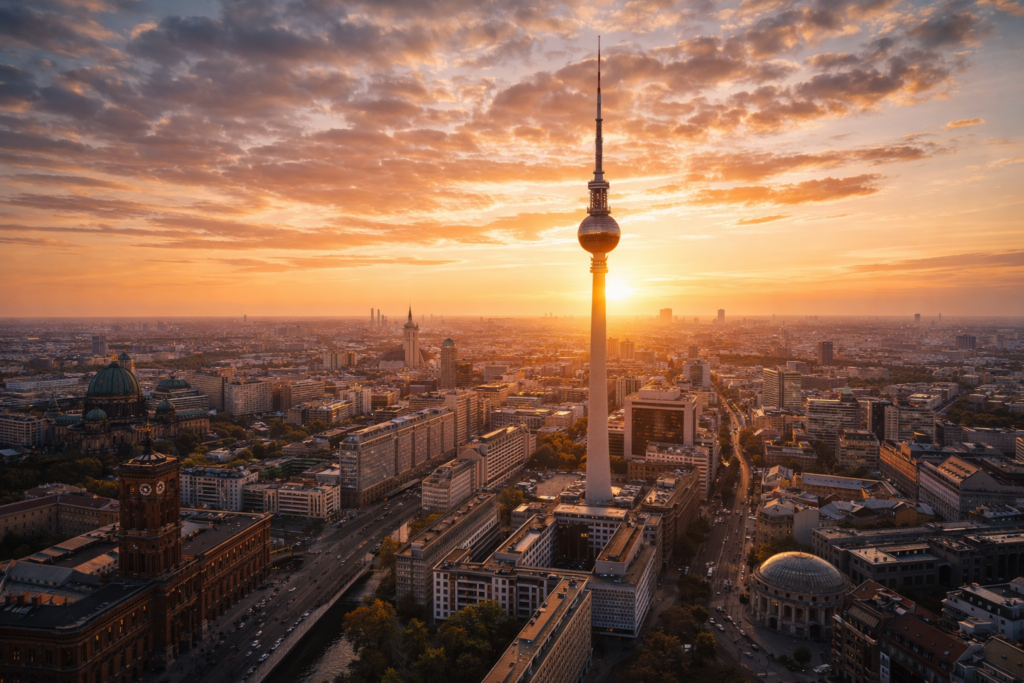
Berlin: History, Culture & Creative Energy
Berlin is a city that doesn’t try to hide its past. Instead, it integrates it into everyday life. You’ll find reminders of history everywhere, but they sit alongside modern architecture, street art, and a constantly evolving creative scene.
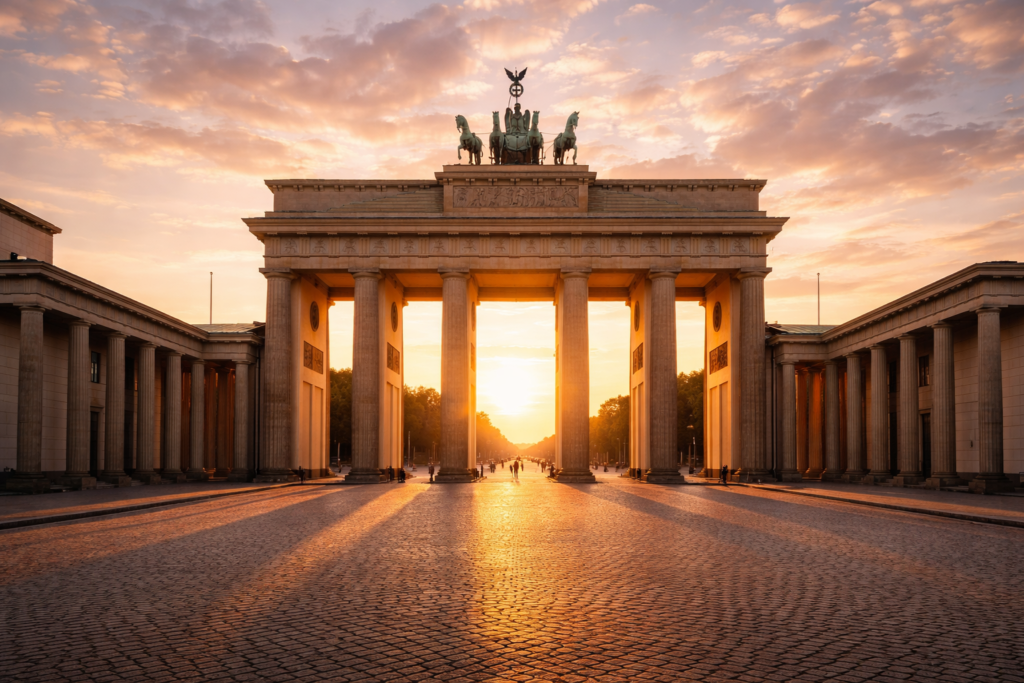
Brandenburg Gate & Reichstag
The Brandenburg Gate is one of Germany’s most recognisable landmarks. Standing in front of it, you get a sense of its historical weight, but also its place in modern Berlin as a symbol of unity.
Nearby, the Reichstag building blends historic architecture with a modern glass dome you can walk through, offering panoramic views of the city.
Berlin Wall & East Side Gallery
Sections of the Berlin Wall still stand, but the East Side Gallery transforms what remains into something entirely different—an open-air gallery covered in murals and artwork. It’s one of the most visually striking parts of the city.
Cafés in Berlin
Berlin’s café culture is understated but excellent.
- The Barn – Minimalist design, exceptional coffee
- Five Elephant – Known for both coffee and cheesecake
- Father Carpenter – A hidden courtyard café with a relaxed atmosphere
Berlin is a city you explore slowly. It rewards wandering.
Munich: Tradition Meets Modern Life
Munich feels completely different from Berlin. It’s cleaner, more traditional, and closely tied to Bavarian culture.
Marienplatz
The central square of Munich, Marienplatz, is surrounded by historic buildings and dominated by the Neues Rathaus. The Glockenspiel performance draws crowds, but even outside of that, the square has a lively, open feel.
English Garden
One of the largest urban parks in the world, the English Garden stretches across the city. You’ll find people cycling, relaxing by the river, and even surfing on the Eisbach wave.
Beer Gardens & Cafés
Munich’s beer gardens are part of the culture, not just a tourist attraction.
- Hofbräuhaus – Historic and lively
- Augustiner-Keller – More local, less crowded
For cafés:
- Man Versus Machine Coffee Roasters – Modern, minimal, excellent coffee
- Café Frischhut – Famous for traditional Bavarian pastries
Bavaria: Castles, Mountains & Scenic Landscapes
Bavaria feels like a different country within Germany. The landscapes are softer, greener, and more dramatic.
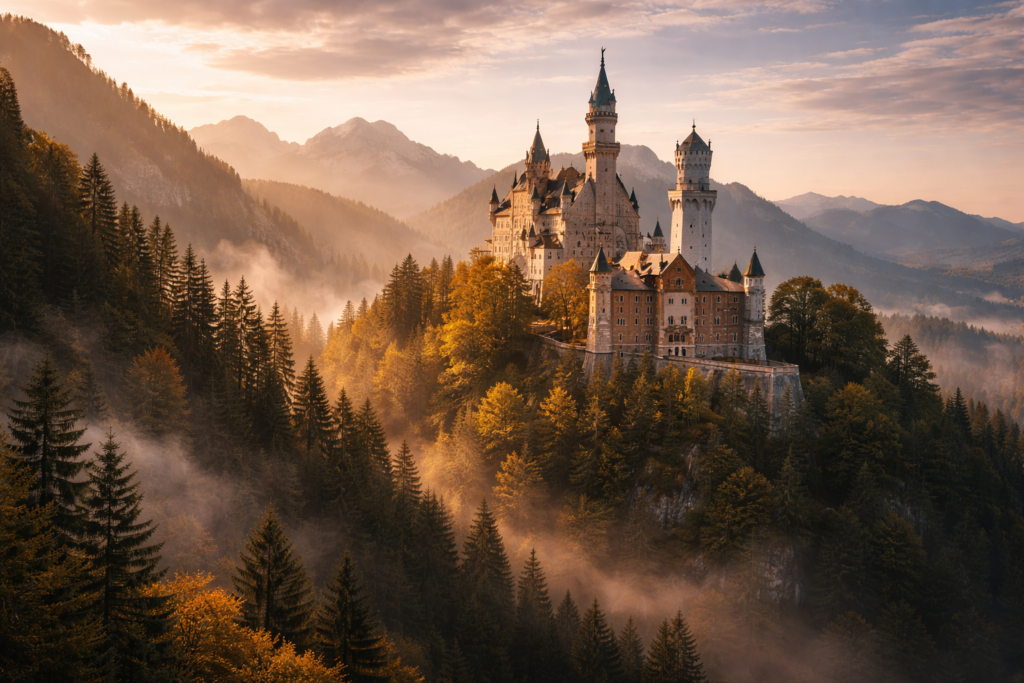
Neuschwanstein Castle
Arguably Germany’s most famous castle, Neuschwanstein looks like something out of a fairytale. Sitting above the surrounding forests, it’s best viewed from a distance to fully appreciate its setting.
Getting there often involves walking uphill paths and exploring surrounding viewpoints, which is where having something practical to carry your essentials becomes useful. A bag like the Bagsmart 40L Carry-On Travel Backpack works well here—structured, comfortable, and easy to carry throughout the day without feeling bulky.
Zugspitze & The Alps
Germany’s highest peak, Zugspitze, offers panoramic views across the Alps. Whether you take the cable car or hike part of the way, the scenery is striking.
Garmisch-Partenkirchen
This alpine town is a base for exploring the mountains, with access to trails, lakes, and winter sports in colder months.
The Black Forest: Nature & Quiet Escapes
The Black Forest is known for its dense trees, rolling hills, and traditional villages. It’s quieter than Bavaria but just as scenic.
Triberg Waterfalls
Among Germany’s highest waterfalls, Triberg offers a series of cascading drops surrounded by forest. It’s a peaceful place, especially early in the day.
Freiburg
A small university city on the edge of the Black Forest, Freiburg is one of Germany’s most relaxed places. The old town is filled with narrow streets, small canals, and cafés that spill out into the open.
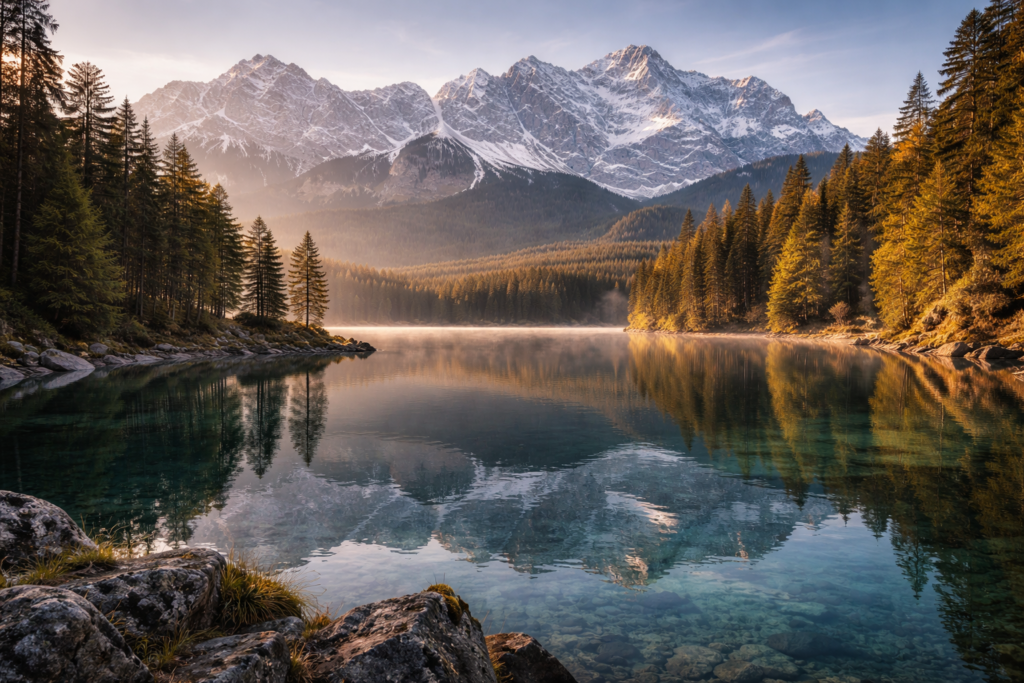
Want more scenes like this?
Download a curated pack of ultra-realistic images, perfect for wallpapers and inspiration.
Everyday Travel Essentials (That Make Germany Easier)
Germany is efficient, but that doesn’t mean travel is effortless—especially when you’re moving between cities, trains, and walking-heavy areas.
A reliable backpack quickly becomes essential. Whether you’re navigating train stations, walking through old towns, or heading out for a day trip, something like the Bagsmart 40L Carry-On Travel Backpack keeps everything organised without being cumbersome.
A portable charger is equally important. Between using maps, checking train times, and taking photos, your phone battery drains faster than expected. A compact option like the Anker 10,000mAh 22.5W Power Bank ensures you’re not stuck searching for outlets in unfamiliar places.
If you’re capturing photos—especially in scenic areas like Bavaria or the Black Forest—a compact tripod can elevate your shots significantly. The Ulanzi MT-44 Extendable Vlog Tripod is lightweight enough to carry all day and useful for both photos and video.
And for longer trips across multiple cities, packing cubes like the Amazon Basics Packing Cubes help keep everything organised, particularly when you’re frequently unpacking and repacking.
These aren’t necessities—but they make travel noticeably smoother.
Cologne: Architecture & Riverside Atmosphere
Cologne is known for one thing above all—the cathedral.
Cologne Cathedral
Standing directly beside the train station, Cologne Cathedral is impossible to miss. Its scale is overwhelming up close, and climbing to the top offers views across the Rhine River.
Old Town & Cafés
The old town sits along the river, filled with colourful buildings and casual restaurants.
- Café Rico – Relaxed and local
- Bastian’s – Popular bakery with excellent bread and pastries
Hamburg: Water, Architecture & Modern Energy
Hamburg feels different again—more maritime, more open.
Speicherstadt
The historic warehouse district, with its red-brick buildings and canals, is one of the most photogenic parts of Germany.
Elbphilharmonie
A modern architectural landmark, the Elbphilharmonie contrasts sharply with the older parts of the city but fits surprisingly well.
Cafés in Hamburg
- Nord Coast Coffee Roastery – Great coffee near the harbour
- Public Coffee Roasters – Clean design, strong coffee focus
Suggested 7–10 Day Itinerary
Start in Berlin for history and culture, then head south to Munich. From there, explore Bavaria and Neuschwanstein Castle. Continue west to the Black Forest, then finish in Cologne or Hamburg depending on your route.
Germany’s train system makes this relatively easy, though planning ahead helps.
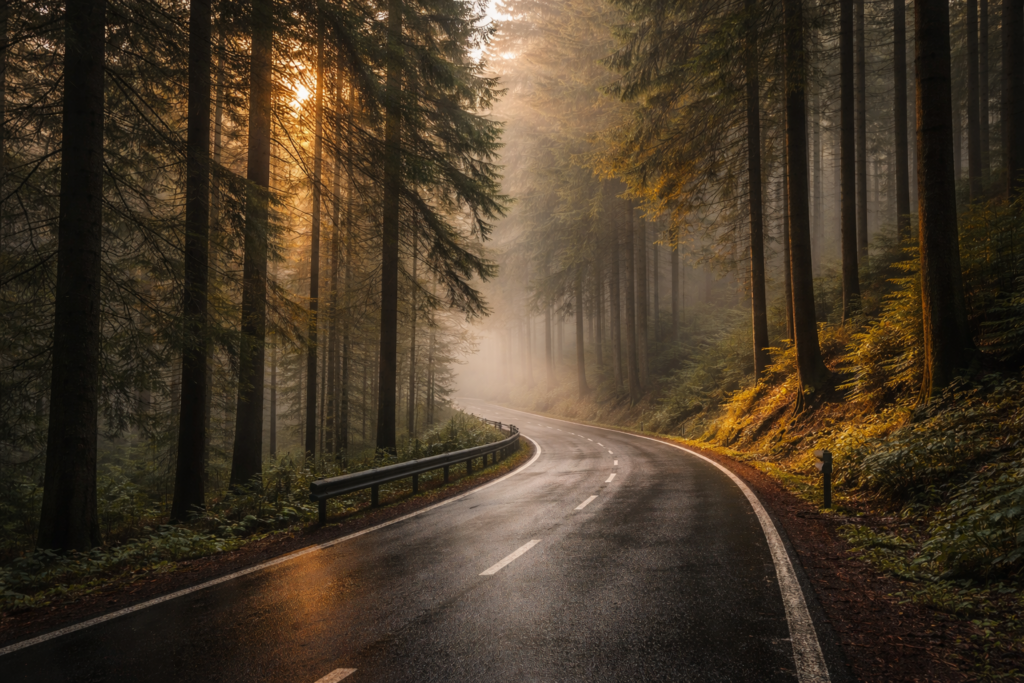
Want more scenes like this?
Download a curated pack of ultra-realistic images, perfect for wallpapers and inspiration.
Best Time to Visit Germany
Spring and autumn offer the best balance of weather and fewer crowds. Summer is popular but busier, while winter brings Christmas markets that transform many cities into something completely different.
Final Thoughts
Germany isn’t a country that reveals itself all at once. It’s layered, structured, and constantly shifting depending on where you are.
From Berlin’s energy to Bavaria’s landscapes, from quiet forest towns to busy city centres, each place offers something distinct. And that’s what makes traveling through Germany so interesting—you’re not just visiting one destination, but many.
It’s a place that rewards movement, curiosity, and taking the time to explore beyond the obvious.